A calm corner is intended to support regulation and return, while time-out is usually experienced as removal from activity; the adult's language, availability and purpose determine whether either approach is supportive or punitive.
A calm corner and a time-out may both move a child away from an activity, but they are not automatically the same intervention. A calm corner is generally intended as a taught regulation space: the child uses brief, familiar supports and then returns. Time-out, when used within an evidence-based behavior plan, means a short removal from reinforcing attention or activity after a clearly defined behavior.
Confusion arises when a “calm corner” becomes forced isolation, or when time-out is described as emotional regulation even though its purpose is behavioral consequence. The label matters less than what adults actually do, whether the procedure is developmentally appropriate and whether the child is treated safely and respectfully.
In brief: Decide the purpose before choosing the space. Teach calm-corner routines outside moments of conflict; keep access predictable and support re-entry. Do not use either approach to shame a child, suppress emotion or avoid investigating unmet needs and unsafe contexts.
Calm corner rules and printables: a short classroom checklist
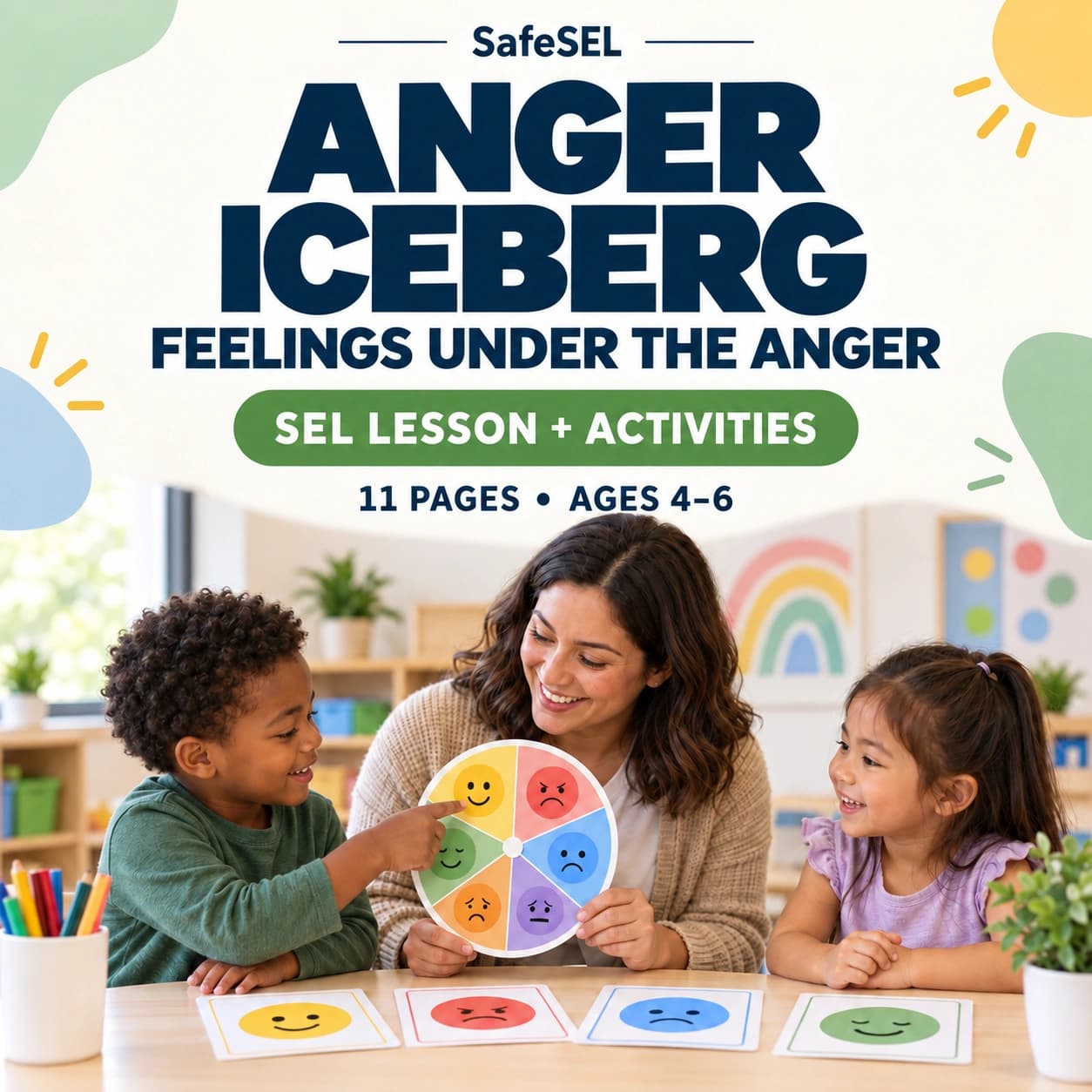
Calm corner rules should answer four practical questions: how to request the space, which tools are available, when an adult checks in and how to rejoin. Display those steps in accessible language. Calm corner printables can show the routine, but the routine still needs adult modeling and practice. A wall full of choices is not a substitute for teaching one usable option.
Before buying a calm down corner kit, check whether the materials support a return to learning rather than simply decorating the space. A useful calm down strategy should be safe, familiar and possible in the classroom. Agree what happens when a child needs more help or cannot return at the expected check-in; avoid treating a timer as proof that regulation has occurred.
Plan the return when a student stays in the calm corner
The Short Comparison
Primary purpose
Calm corner: Practice regulation and regain readiness Time-out: Briefly remove access to reinforcing attention/activity after a defined behavior
Typical timing
Calm corner: Child notices rising activation or adult prompts a taught pause Time-out: Adult implements a planned consequence
Adult role
Calm corner: Brief coaching, safety and predictable return Time-out: Calm, consistent implementation with minimal attention
Tools
Calm corner: A few previously taught sensory or visual supports Time-out: Usually no entertainment or preferred activity
End point
Calm corner: Child is ready for a small return step—not necessarily perfectly calm Time-out: Predetermined brief duration or established readiness rule
Main risk
Calm corner: Becoming escape from every demand or disguised punishment Time-out: Becoming prolonged isolation, humiliation or an improvised response to emotion
This table describes common uses, not a universal definition. School policy, individual plans, disability protections and local requirements must guide practice.
What a Calm Corner Is Supposed to Do
A calm corner is a designated classroom area where students can use a small number of taught regulation strategies. It works best as part of the classroom routine rather than a destination introduced only after behavior escalates.
Before using it, students should learn:
- how to request or accept a brief pause;
- which tools are available and how to use them;
- how long the pause usually lasts;
- what adult check-in occurs;
- how to return to the task;
- that feelings are allowed while unsafe actions still have limits.
The space should not require a child to perform calmness. A student may return with some frustration still present if they can participate safely.
What Time-Out Means in Behavioral Guidance
Time-out is often used casually to mean any break. In behavior-management literature, it refers more specifically to time away from positive reinforcement. The American Academy of Pediatrics describes it as one possible discipline tool, alongside clear limits, calm teaching, attention to positive behavior and planning ahead.
Effective use is brief, predictable and linked to a specific behavior—not to the fact that a child feels angry, sad or overwhelmed. It should not involve yelling, public humiliation, frightening isolation or withholding basic needs.
Time-out is not automatically the right response for classroom dysregulation. If behavior serves escape from a difficult task, removing the student may strengthen that pattern. If the child lacks the skill to follow the expectation, consequence alone does not teach it.
Ambiguous Situations
A teacher says, “Go calm down” after shouting
If the child is required to sit apart, receives no taught strategy and cannot return until they appear emotionally acceptable, the calm corner is functioning more like exclusion than skill support.
A child requests the calm corner during every writing task
The space may be helping regulation, but it may also be providing escape from an unmet learning need. Track what happens before the request, shorten the first work step and consider academic support.
A student hits and then chooses the calm corner
Regulation and accountability can occur in sequence. First ensure safety and regain readiness. Later address repair, teaching and any planned consequence. The calm corner should not erase the impact of the behavior, and the repair should not be demanded during peak activation.
What To Do: Set Up a Calm Corner Carefully
1. Define the purpose in one sentence
For example: “This is a short space for using a known strategy so you can return to learning safely.” If staff members give different explanations, students will experience inconsistent rules.
2. Choose only a few tools
Possible supports include a feelings scale, two breathing visuals, a timer, a simple movement card, paper for drawing or a small sensory object. More items can turn the area into a play center or create decision overload.
3. Teach every tool when students are regulated
Model what the tool does and does not do. A breathing card is not a demand to stop feeling angry. A timer shows when the check-in occurs; it is not a threat.
4. Establish access and duration
Decide whether students request the space, accept an adult prompt or both. Use a brief expected range with flexibility for individualized plans. Avoid indefinite removal.
5. Plan the return before the break
Specify a small re-entry action: rejoin the group at the next direction, complete one problem with support or check in privately. Without a return routine, the corner can become a dead end.
6. Review patterns
Notice who uses the space, during which activities and with what result. Frequent use by one student may signal sensory, academic, relational or emotional needs that require broader support.
Helpful Teacher Language
- “You can feel angry. Hitting is not safe. Let’s create space first.”
- “Would you like the quiet chair or one minute beside my desk?”
- “The goal is not zero feelings; it is being ready for one safe next step.”
- “Your break ends with a check-in, then we will choose how to rejoin.”
- “I notice the corner is needed most during writing. Let’s look at what makes writing difficult.”
- “We will discuss repair after your body can use the conversation.”
Common Misuse
- sending a child away for displaying any negative emotion;
- calling the space voluntary while refusal brings punishment;
- requiring apologies or worksheets before the child can leave;
- displaying public behavior charts near the space;
- allowing the corner to remove every difficult task permanently;
- using sensory tools that have never been taught;
- treating calm appearance as proof of readiness;
- applying one routine despite an individualized education or behavior plan.
When Neither Option Addresses the Problem
A student may need clearer instruction, a reduced task entry point, communication support, a predictable transition, protection from peer harm, medical attention or individualized mental health care. A physical location cannot replace analysis of the environment.
Do not infer that repeated dysregulation is deliberate defiance. At the same time, regulation language should not be used to avoid clear safety limits. Support and accountability are not opposites.
When to Involve Additional Support
Consult the school support team and caregivers when a student needs the space frequently, does not return to learning, shows increasing distress, becomes unsafe or loses access to substantial instruction. Follow school procedures and individualized plans. Urgent safety concerns require the school’s established response, not an improvised calm-corner routine.
If the purpose of the space is clear but rejoining remains difficult, use the guide to building a return plan from the calm corner to learning to make the next classroom step explicit.
Related guidance for the next step
Sources and further reading
- Helping Little People Manage Big Feelings — American Academy of Pediatrics — HealthyChildren.org
- 4 Play Activities to Help Children Manage Emotions — American Academy of Pediatrics — HealthyChildren.org
- Why Kids Act Out: Tips to Help Your Child Cope With Stress — American Academy of Pediatrics — HealthyChildren.org