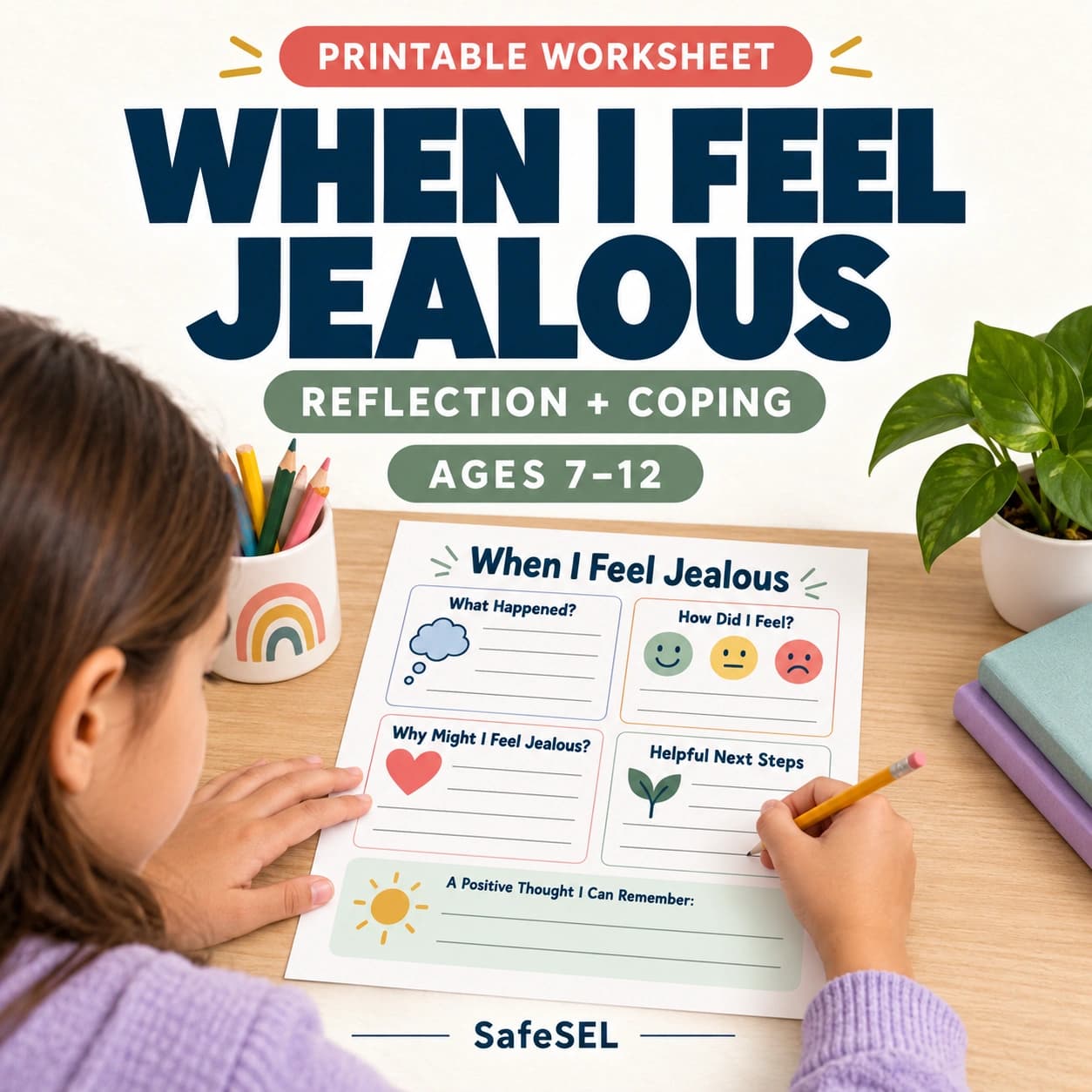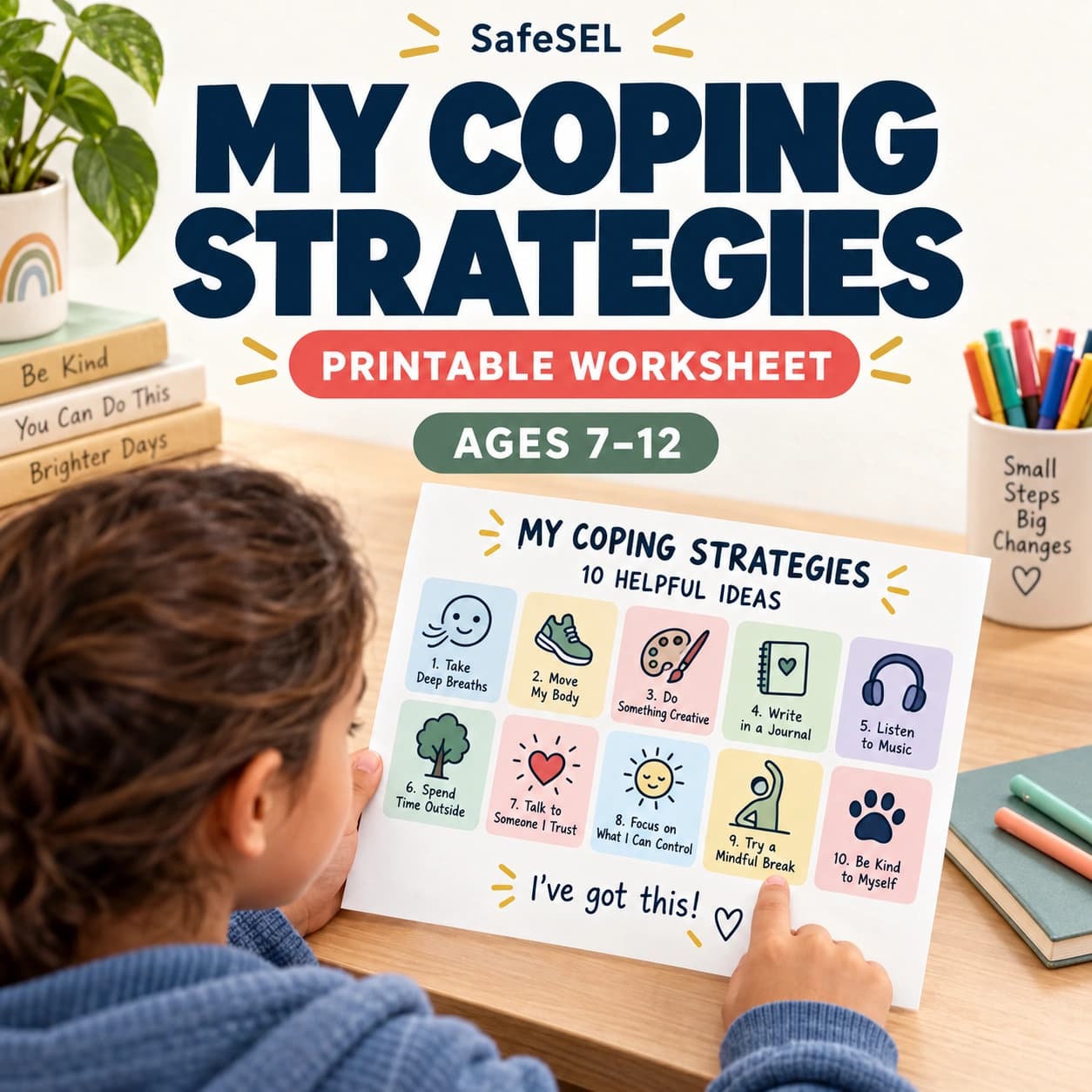
The most useful anxiety worksheet is not necessarily the one with the most pages or the brightest design. Start with the job it needs to do: help a child notice a body signal, describe a worry, ask for support or plan a manageable action. Then check whether the page fits the child's language, reading and response needs.
Worry worksheets, body maps or an anxiety plan?
Worry worksheets are useful when the child needs a way to put a concern into words or pictures. An anxiety in the body worksheet focuses on sensations, while leaving room for illness, hunger, tiredness or other explanations. An anxiety plan records who can help and what the child can do next. These page types answer different questions; there is no reason to complete all three if one already addresses the need.
When comparing anxiety printable worksheets, preview the actual questions. A page marketed as an anxiety sheet may contain long written tasks, reassurance prompts or exercises intended for clinical use. Check the intended audience and the support required. For school use, anxiety worksheets for elementary students should allow a child to speak, point, draw or use their established communication method rather than making handwriting the barrier.
What a thought detective worksheet should teach
Match the page to the difficulty you actually see
A child who cannot explain a worry may benefit from a simple drawing or body-cues activity. A child who can describe a feared prediction may be ready to explore what they expect and what support could help. A child avoiding a particular task needs more than another list of feeling words: first understand the situation and whether it is safe and accessible.
Anxiety printables can structure a conversation, but a page cannot determine the cause of a child's distress. Check for practical concerns such as bullying, pain, confusing instructions or sensory overload. Do not use a worksheet to persuade a child that an actual problem is only anxious thinking.
Read the prompts before giving the page to a child
Look for questions that are short enough to understand and specific enough to answer. 'What happened before you wanted to leave?' is more concrete than a request to explain every feeling. If most of the page requires abstract reasoning or long written answers, consider a simpler page or an oral response.
Adult support might mean reading a question, offering a drawing option or helping the child record their own words. Avoid supplying the answer you want to hear. Completing every box is less important than understanding one useful detail. The adult chooses and adapts the resource; the child should not be responsible for evaluating its design.
Distinguish a teaching aid from a treatment task
A general feelings worksheet is not the same as an individualized therapy exercise. If a clinician has supplied a plan, ask how any extra printable fits it. Repeated checking, reassurance seeking or distressing intrusive thoughts may need a more specific assessment rather than more pages asking the child to prove a worry wrong.
Do not require a worksheet during escalating distress or use completion as the price of receiving help. Choose a time when the child can participate. A page that consistently increases shame, confusion or repetitive questioning needs review, even if its topic appears to match the problem.
Compare two realistic choices
Suppose a child worries about joining a game. A broad emotion chart may help if naming the feeling is difficult. A short plan with spaces for 'who can help' and 'what I can say' may fit better if the child already knows they are worried but does not know how to enter. Neither page resolves an exclusion problem that adults need to address.
Preview the actual activity rather than only its cover. Check the instructions, answer space, age guidance and whether professional facilitation is expected. A larger pack can offer options, but choose one page for the current task rather than handing over the whole collection as homework.
Connect the conversation to one next step
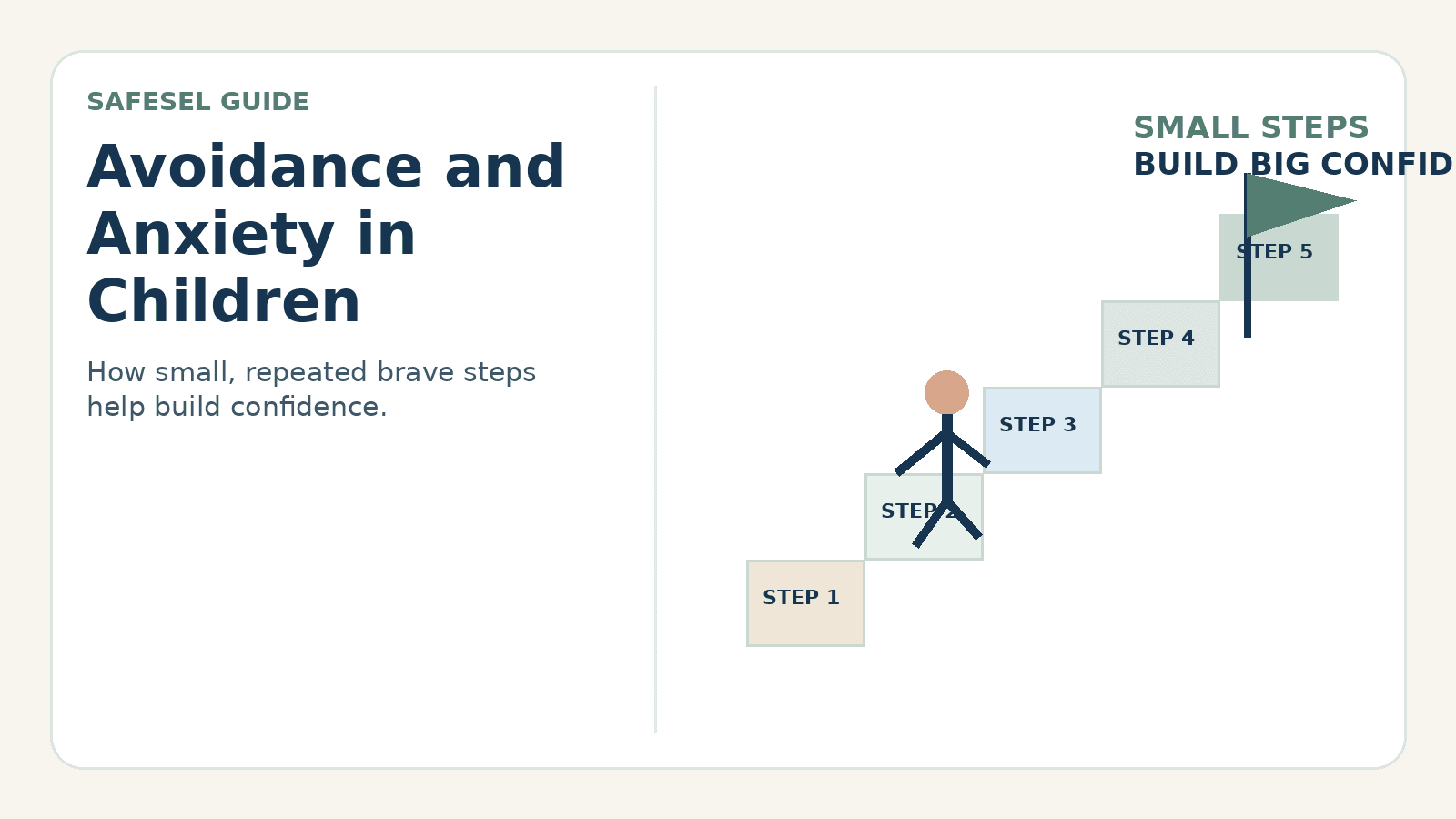
After using the page, agree on an action small enough to try: identify a trusted adult, practice a help request or prepare for a manageable situation. Ask what would make that action easier. Keep the plan flexible enough to change if new information shows that the original understanding was wrong.
Review usefulness after an actual opportunity, not just after filling in the sheet. Did the child communicate something new or get support earlier? Was the plan practical in the real setting? If nothing changed, check timing, wording and adult response before assuming the child needs a longer or more challenging worksheet.
When additional support is appropriate
If anxiety persists, worsens or interferes with school, sleep, relationships or daily activities, contact a qualified child mental health professional or the child's healthcare provider. A worksheet is an educational tool, not a diagnostic assessment and not a substitute for appropriate care.
The NHS guidance below describes when anxiety may need professional help. It does not endorse a particular printable or establish that completing a worksheet treats anxiety. The selection examples in this article are practical suggestions to discuss with the adults supporting the child.
Related resources and background reading
Printable or Editable SEL Resources: Practical Tradeoffs
NHS: Anxiety disorders in children
Sources and further reading
- Treating Children's Mental Health with Therapy — Centers for Disease Control and Prevention (2026)
- Child and Adolescent Mental Health — National Institute of Mental Health
- Help Your Child Manage Anxiety: Tips for Home & School — American Academy of Pediatrics — HealthyChildren.org
- School Avoidance: Tips for Concerned Parents — American Academy of Pediatrics — HealthyChildren.org