Anger Management Parent Pack: 7 Handouts, Anger Tracker and Repair Tools
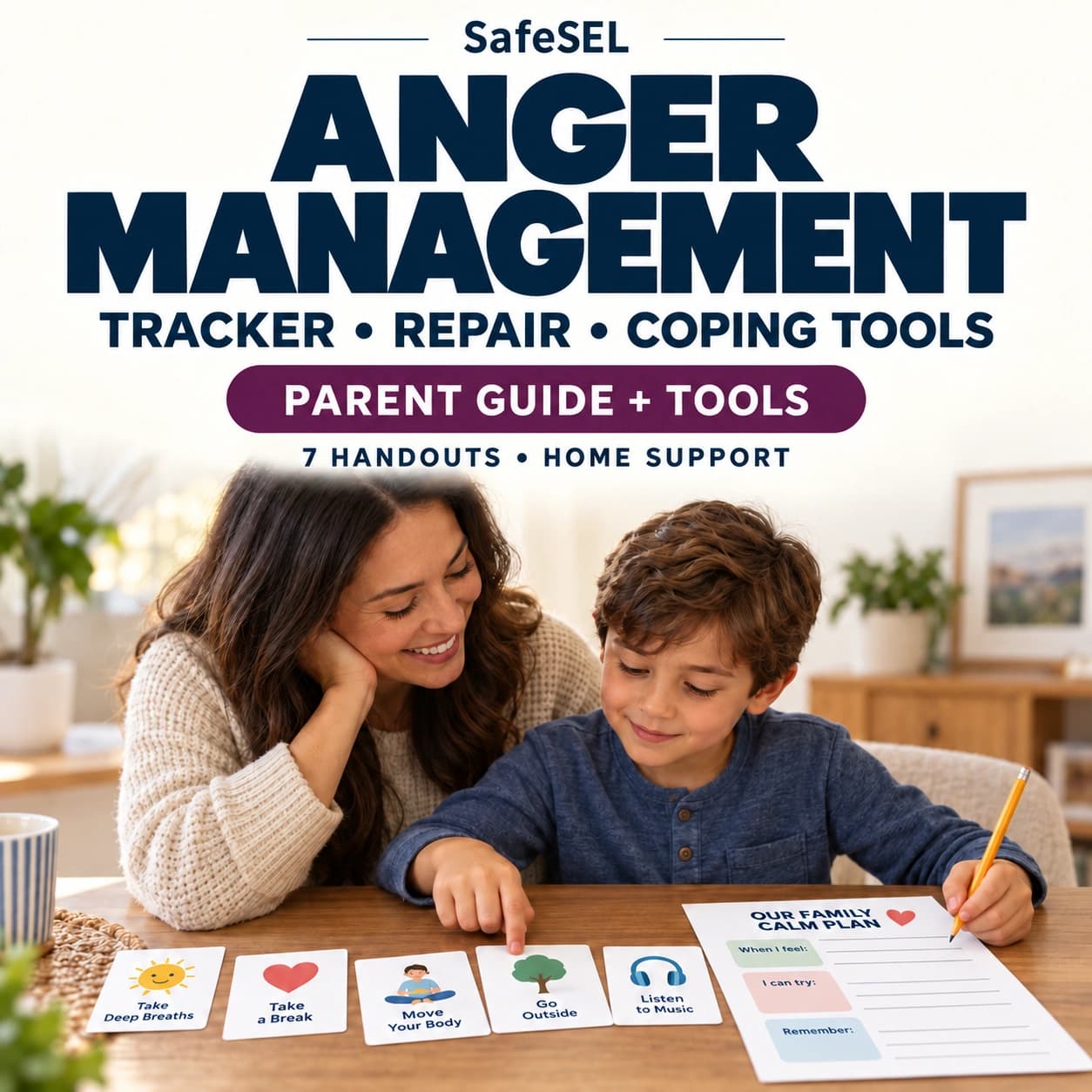
Seven parent handouts, an anger tracker and repair tools support conversations about children’s anger. Use the pack to notice patterns and plan supportive responses at home.
Explore therapist-informed handouts, trackers, one-week plans and printable support packs for anxiety, emotional regulation, anger, meltdowns, coping, communication and therapy progress.

Seven parent handouts, an anger tracker and repair tools support conversations about children’s anger. Use the pack to notice patterns and plan supportive responses at home.

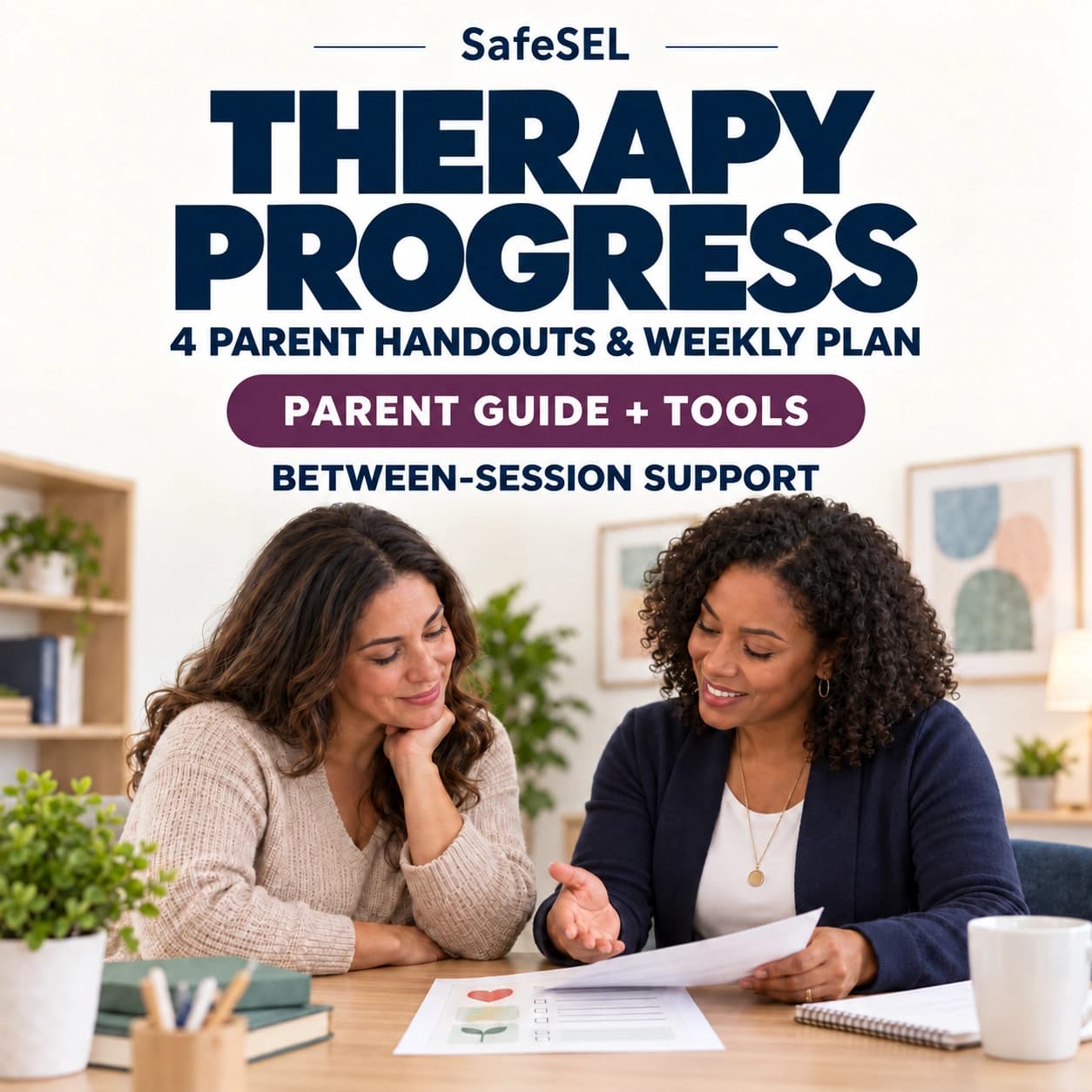
Four printable parent resources for supporting between-session practice, noticing meaningful change and bringing useful observations back to therapy.

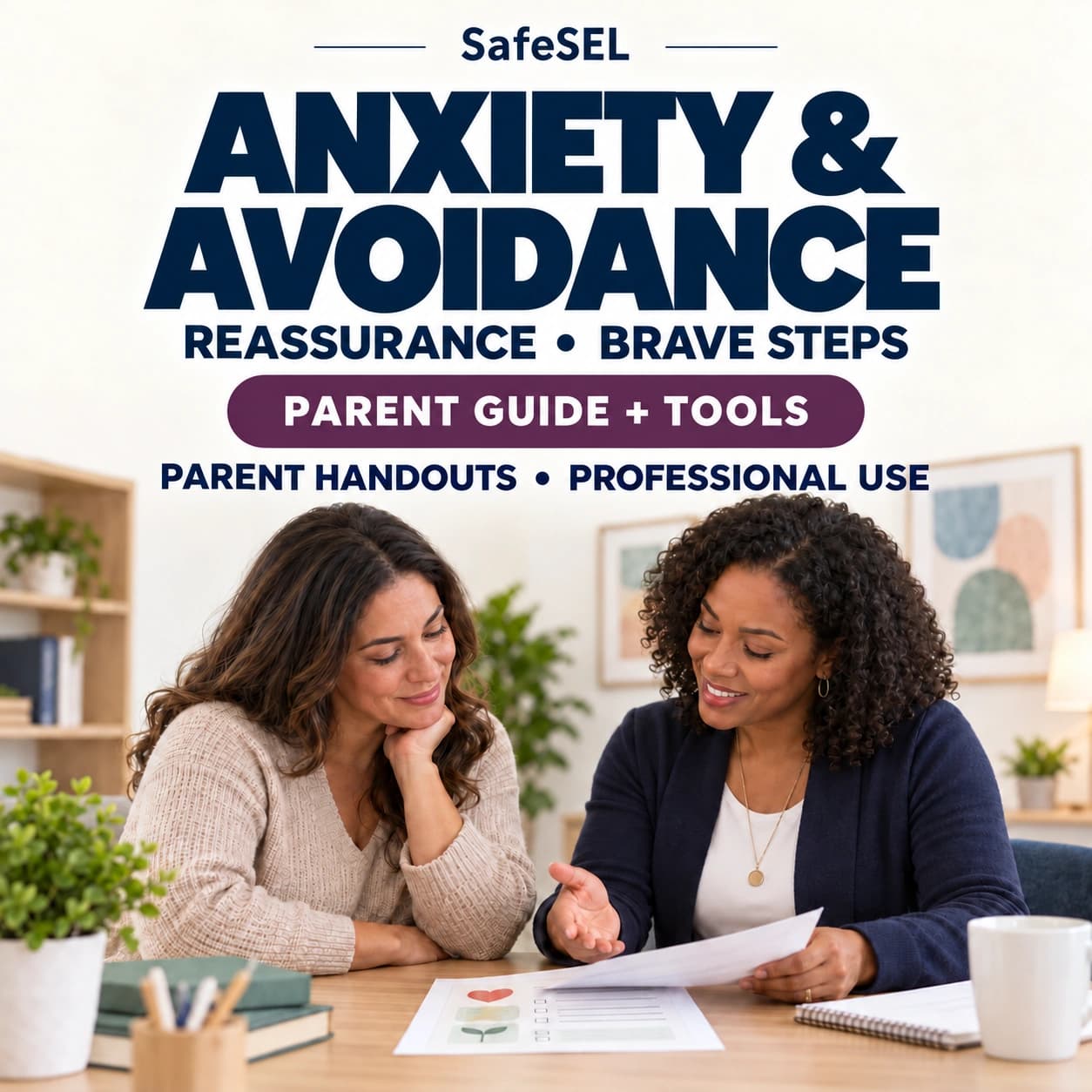
Eight printable parent tools for understanding reassurance and avoidance cycles, tracking patterns and supporting gradual, manageable brave steps.

Seven printable parent resources for co-regulation, body-signal awareness, coping practice and building a realistic calm-down plan at home.

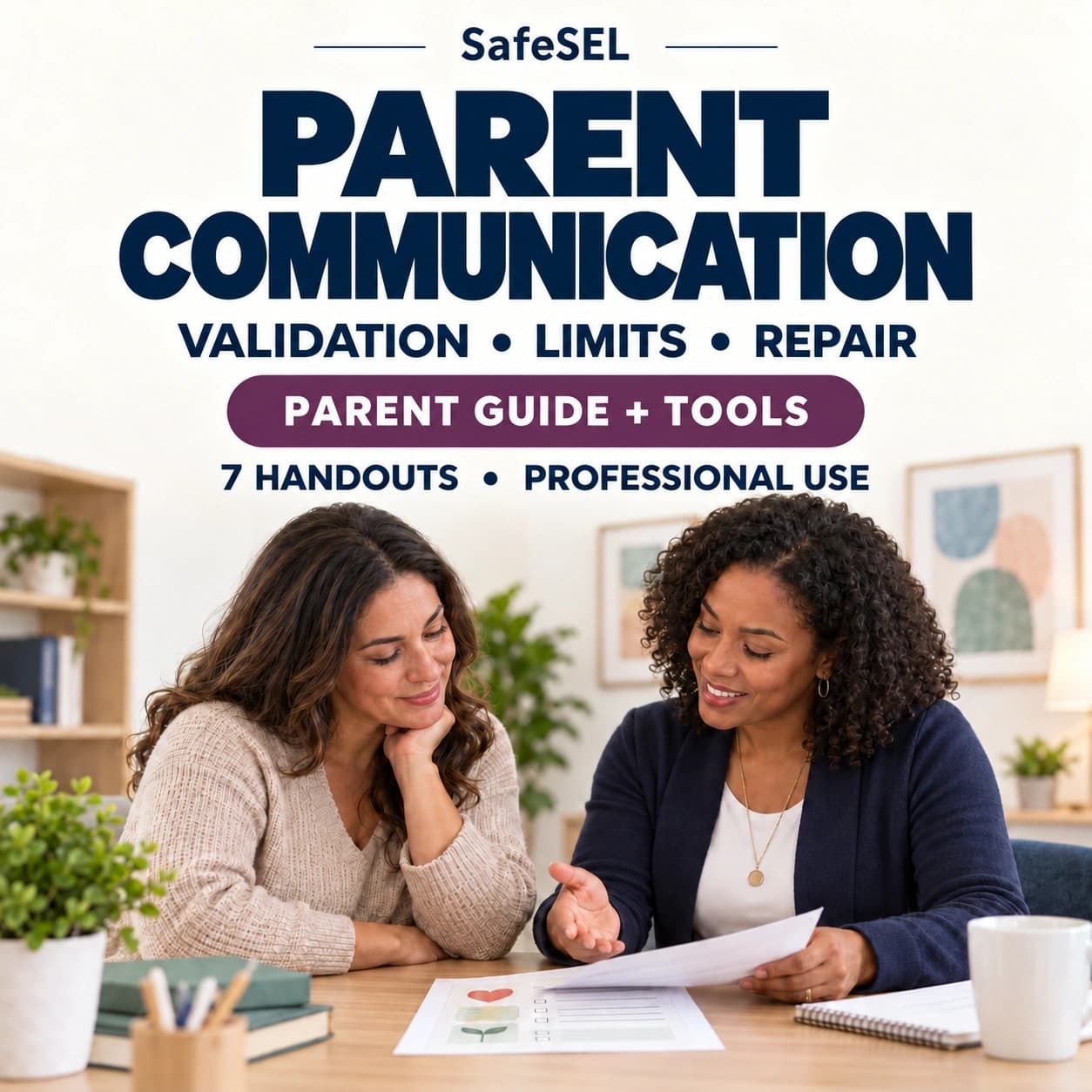
Seven printable parent scripts and reflection tools for validation, calm communication, warm limits and repair after difficult moments.

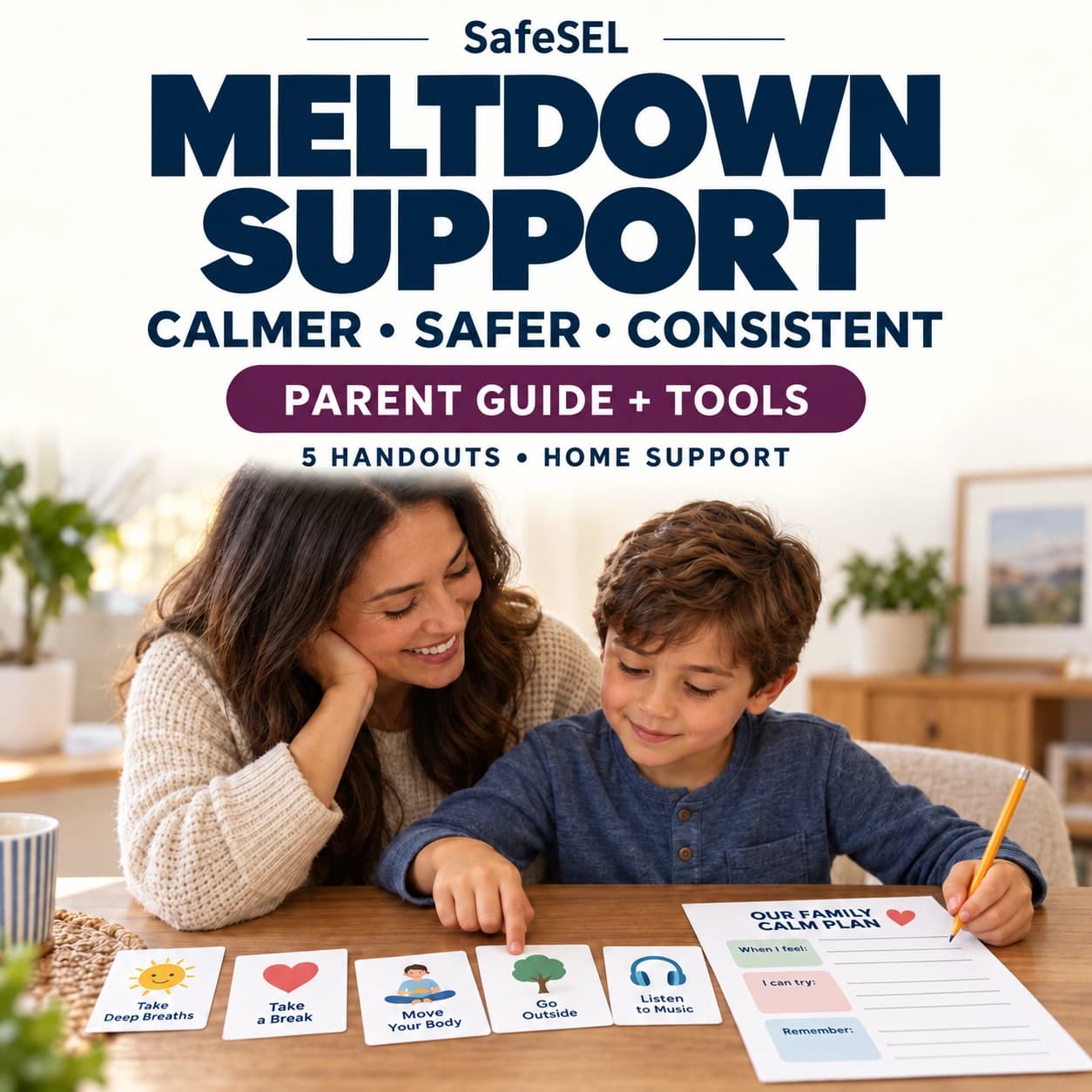
Five printable parent resources for recognizing overload, responding safely during meltdowns and reconnecting through calm repair afterward.

Seven printable parent tools for understanding child anger patterns, responding safely, tracking triggers and guiding repair after conflict.

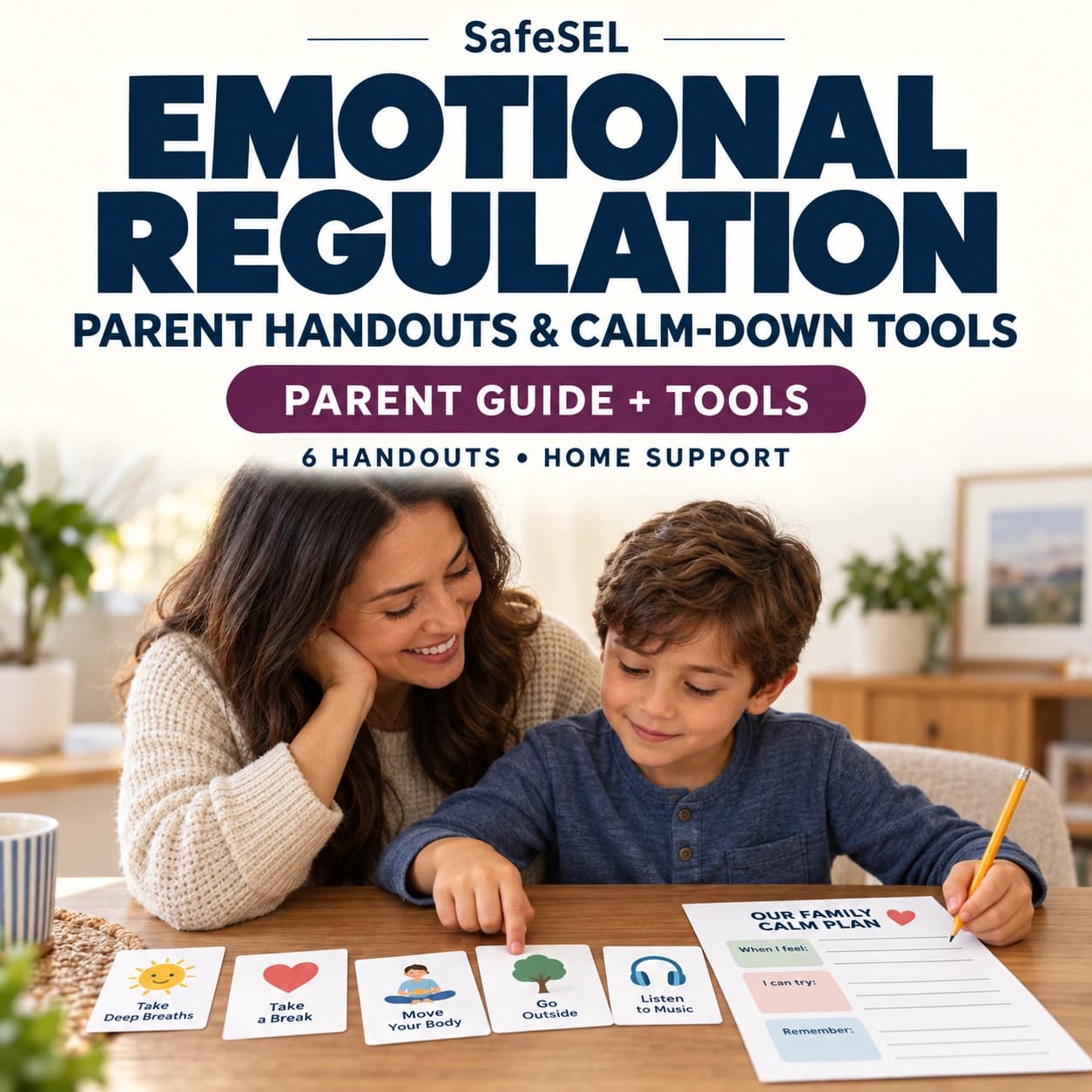
Six printable parent resources for co-regulation, recognizing early body signs, practicing coping skills and building calmer home routines.

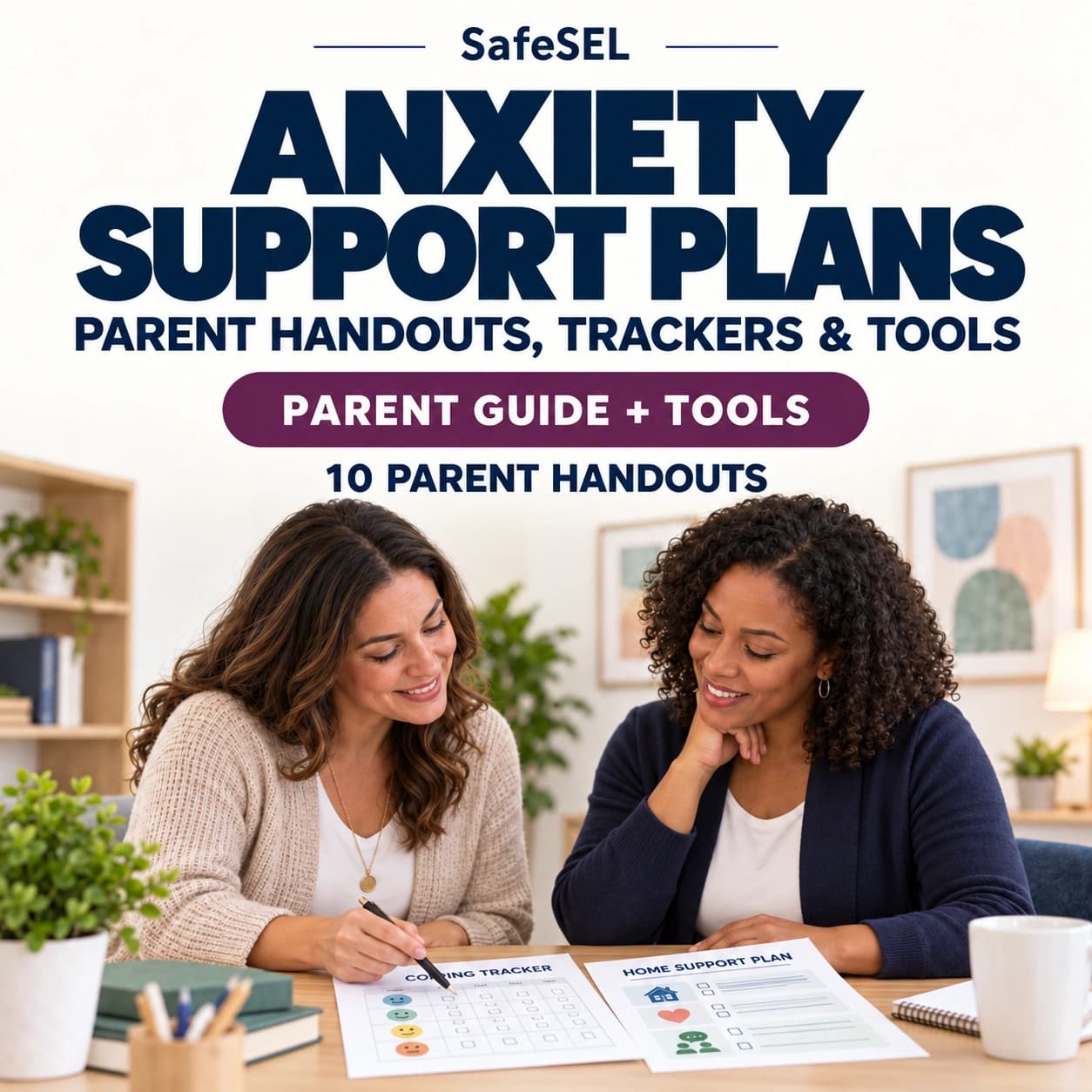
Ten printable parent resources for understanding anxiety, tracking avoidance and reassurance, and supporting gradual, manageable brave steps.

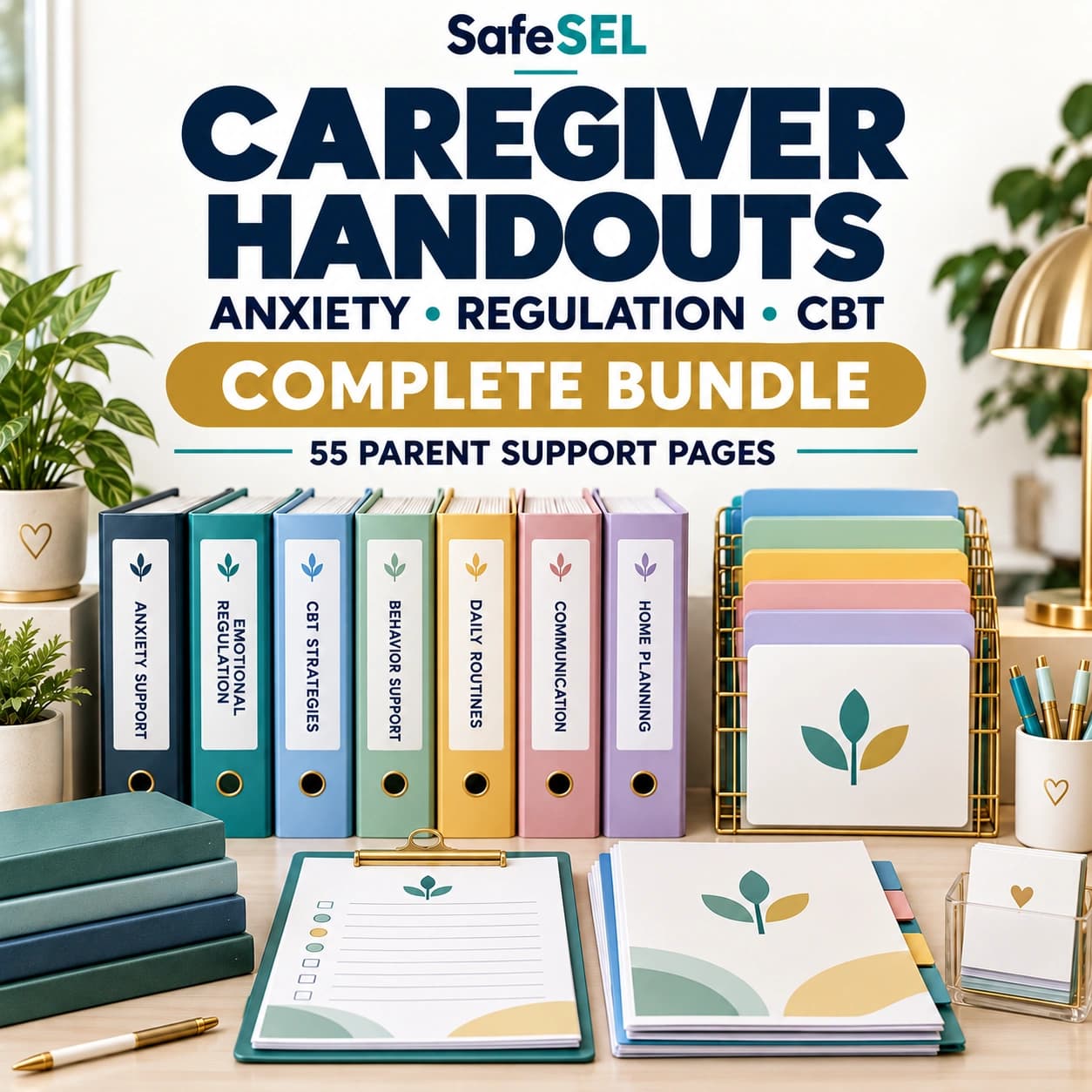
A complete collection of 11 focused parent and caregiver products with 55 handouts plus 20 CBT and anxiety worksheets for guided child practice.
Try practical language for acknowledging feelings while keeping appropriate boundaries.
Open the free resource →Use calm language for worry without turning every anxious question into repeated reassurance.
Open the free resource →Plan early supports and realistic coping options before emotions become overwhelming.
Open the free resource →Plan for safety, lower demands during escalation and return to repair afterward.
Open the free resource →Choose one narrow family goal, define the adult response and review what the week teaches you.
Read the guide →Collect only the context, support and recovery information that can guide the next decision.
Read the guide →Look beyond symptom counts to participation, recovery, communication and daily functioning.
Read the guide →Align home, school and clinical responses around safety, access and a realistic return plan.
Read the guide →Troubleshoot routines by looking at timing, demands, transitions, adult consistency and the child’s actual support needs.
Read the guide →Reduce conflict around inconsistent family rules by clarifying priorities, boundaries and what genuinely needs to be shared.
Read the guide →Parent worksheets and psychoeducation handouts have different jobs. One may organise a plan; another may explain an idea to discuss. Choose caregiver handouts around the family’s current question, then explain why the page was selected. These parent support tools are not a substitute for answering questions. A one-week plan offers a narrow focus, while a progress pack gives a different way to reflect between conversations.
A parent-facing resource uses everyday language for home discussion. Intake, formulation and clinical documentation belong to the practitioner’s workflow. Check the intended audience and sharing license of each resource, even when it appears in a larger collection. Permission to share a selected handout does not mean permission to distribute the entire library.
Choose a focused pack for one current need or use the complete caregiver collection to help adults understand patterns, respond consistently and support therapeutic goals at home.
They are written for parents and caregivers and can also be selected or shared by therapists, counselors and other qualified child-support professionals.
The collection includes focused support for anxiety, reassurance and avoidance, emotional regulation, anger, meltdowns, coping skills, validation, therapy progress, tracking and one-week home plans.
No. They provide general psychoeducation and practical support ideas and do not replace individual assessment or treatment.
Filter by resource type and age group to find the most useful printable.