When a child throws or breaks things in anger, immediate safety and a brief boundary come first; understanding patterns, practising alternatives and planning repair are later steps.
When a child throws or breaks things in anger, the immediate task is safety—not a lecture, confession, or forced apology. Create distance, remove dangerous objects when it is safe to do so, and use one clear limit. After regulation returns, address repair and practice a replacement response for the same trigger.
In brief: Stop access to harm, reduce the audience, wait for thinking to return, then separate three questions: What triggered the episode? What damage must be repaired? What will the child do instead next time?
During the Incident
Move siblings, pets, and bystanders away. Do not wrestle an object from the child unless immediate safety requires intervention and you are able to do so safely. Keep your position near an exit and avoid cornering the child.
Use short statements:
- “I won’t let objects be thrown at people.”
- “I’m moving everyone back.”
- “The glass stays down.”
- “We will talk after bodies are safer.”
Avoid threats that cannot be carried out, rapid questioning, filming the child, or demanding that the child clean while still throwing. If there is a weapon, fire, serious threat, or immediate danger, contact local emergency support.
Do Not Confuse Explanation With Permission
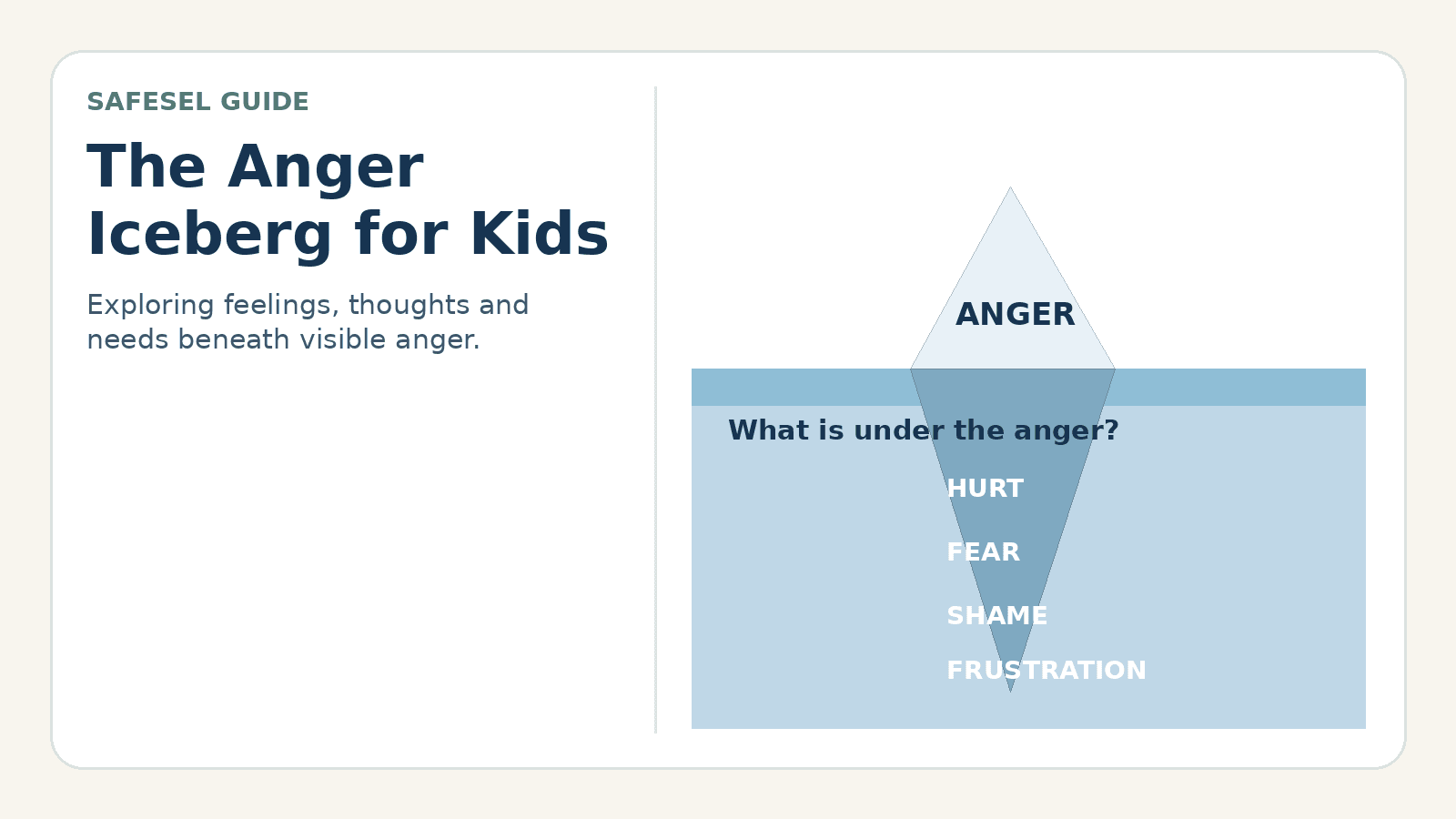
Later, investigate factors such as abrupt limits, humiliation, accumulated stress, sensory overload, fatigue, hunger, peer conflict, academic difficulty, or a pattern of escaping demands. Understanding the chain helps prevention. It does not make destruction acceptable.
You can say: “It makes sense that losing the game felt awful. Breaking the controller is still not safe. Both are true.”
This stance avoids two unhelpful extremes: treating the child as malicious, or excusing every action because the child was dysregulated.
Wait for Readiness Before Repair
Readiness does not require perfect calm or cheerful agreement. Look for the ability to hear one sentence, answer a simple question, and remain physically safe. Begin with facts rather than moral labels:
- “The chair was thrown and the lamp broke.”
- “Your sister moved because she was scared.”
- “We need a safety and repair plan.”
If the child argues about blame, acknowledge context once and return to their part: “Your brother teased you. We will address that separately. Your part is throwing the lamp.”
Make Repair Related and Achievable
Repair may include helping clean safely, contributing an age-appropriate amount toward replacement, doing a household task connected to the damage, checking on someone who was frightened, or making a sincere apology later. Adults handle sharp pieces, chemicals, electricity, and other hazards.
Do not create an impossible debt that follows the child indefinitely. The aim is responsibility and restored safety, not humiliation. State what happens now, what access changes temporarily, and how the child can regain trust.
Build a Replacement Chain
“Don’t break things” is not a complete skill. Identify the earliest point at which a different action was possible.
For example:
- Trigger: game ends unexpectedly;
- early cue: hot face and gripping the controller;
- replacement: place controller on the shelf and say “I need two minutes”;
- adult response: pause discussion and keep others from following;
- return: talk about the limit after two minutes;
- repair if needed: reset the space and check property.
Practice setting the controller down when nobody is angry. Rehearsal should be brief and realistic, not a performance designed to prove remorse.
Change the Environment Without Removing All Limits
If episodes follow predictable situations, reduce unnecessary risk: use nonbreakable items during intense practice, store dangerous objects securely, provide physical space during transitions, give advance notice, and ensure the child knows how to request a pause. These are preventive safeguards, not rewards for aggression.
Track incidents for several weeks: trigger, time, sleep, hunger, task, people present, intensity, recovery time, and what helped. Patterns can guide a more precise plan and provide useful information to professionals.
What Commonly Backfires
- lengthy consequences announced during peak anger;
- making siblings negotiate while anyone feels unsafe;
- asking “Why did you do that?” before the child can reflect;
- replacing damaged items immediately with no repair discussion;
- requiring eye contact or a public apology;
- responding differently each time without a shared adult plan;
- assuming a worksheet alone will prevent aggression.
When to Seek Additional Support
Seek professional guidance when destruction is repeated, escalating, causes injury, involves threats or weapons, occurs across settings, or substantially disrupts family or school life. A pediatrician or qualified mental-health professional can assess contributing needs and recommend individualized support. Use urgent local services for immediate danger.
Use the guidance in a real situation
When responding when a child throws or breaks things in anger, choose one recent, specific example that fits the pattern; write down the event, the first observable sign of difficulty, the adult response, and what happened next so that a broad label does not replace the details needed for a useful decision.
Use “During the Incident” as the first action from the guide and define who will try it, where it will happen, and how long the first attempt will last; keep other parts of the routine stable so the result is interpretable.
Language and access
- In a conversation about responding when a child throws or breaks things in anger, an adult might say “You are allowed to be angry. I will not let anyone be hurt.”
- In a conversation about responding when a child throws or breaks things in anger, an adult might say “We will use fewer words now and talk when it is safer.”
When applying “During the Incident,” accept an accessible response format unless the format itself is the skill being taught; reduce unnecessary writing, public disclosure, sensory load, and rapid verbal demands.
Review what changed
To review responding when a child throws or breaks things in anger, track earlier communication, fewer unsafe actions, shorter recovery, use of a planned exit, and follow-through on a specific repair; compare several similar opportunities before concluding that the plan worked or failed, and alter only one major variable at a time.
In this guide to responding when a child throws or breaks things in anger, lecturing during escalation, crowding the child, or demanding an instant apology can intensify risk; a calming plan must never replace an appropriate response to threats, injury, or repeated aggression.
When to seek additional help
Seek individualized assessment when difficulty remains persistent, worsening, unsafe, or substantially affects learning, sleep, health, relationships, or daily life despite trying “During the Incident”; educational guidance cannot determine a diagnosis or replace appropriate professional care.
Use this guide as a starting point for responding when a child throws or breaks things in anger, not as a fixed script; a useful plan remains specific enough to repeat, flexible enough to preserve access, and clear about which signs require a different level of support.
Before increasing difficulty in work on responding when a child throws or breaks things in anger, compare the current attempt with the original example and ask whether “During the Incident” became easier, needed less prompting, or worked in one additional setting; record the support that was present, because a better result with support is useful evidence and does not need to be dismissed as dependence, and note what the child could do before and after that support was added.
Sources and further reading
- Improving Family Communications — American Academy of Pediatrics — HealthyChildren.org
- Helping Little People Manage Big Feelings — American Academy of Pediatrics — HealthyChildren.org
- Parent Training in Behavior Management — Centers for Disease Control and Prevention