← All guides
Anger

When a Child Explodes Because a Sibling Touched Their Belongings

Practical steps for when a child explodes because a sibling touched their belongings: what to notice, what to say, and how to build a safer, more usable

Written bySafeSEL Editorial TeamEducational content team

When this pattern happens repeatedly, adults may be tempted to explain more, argue harder, rescue quickly, or impose a bigger consequence. Those reactions are understandable, but they can miss the specific skill the child needs. Belongings can represent control, privacy, predictability, or fairness. An explosion may reflect more than the object itself, especially when family boundaries have been unclear. A more useful plan combines prevention, an in-the-moment response, and later practice.

Three priorities for the adult

1. Protect safety and access

Separate the children, secure any fragile object, and avoid deciding the entire case while emotions are high. The adult’s first response should reduce the number of moving parts rather than introduce a full lesson.

2. Keep the limit understandable

The sibling’s mistake does not justify aggression; the angry child’s need for privacy still deserves a real response. State what must stop and what remains available. Avoid making the child guess how to regain adult support.

3. Preserve a path back

Return or fix the item, address any aggression separately, and revise the household rule if it was vague. A path back may involve returning to the activity, restoring an item, checking impact, or using a clearer message.

Why the pattern can repeat

The meaning of the event

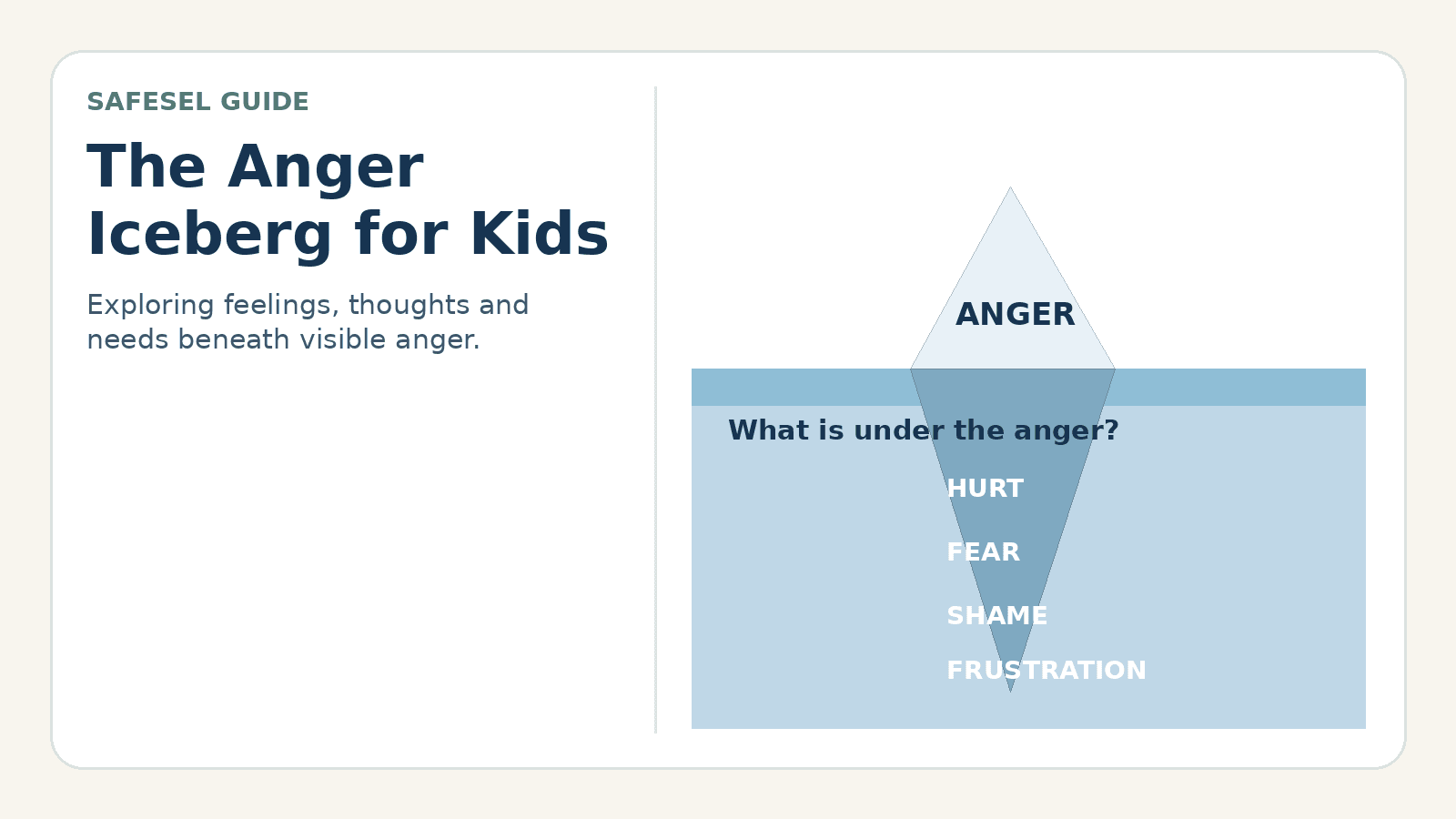
Anger often grows around what the event seems to mean: unfairness, loss of control, disrespect, rejection, or not being heard. Belongings can represent control, privacy, predictability, or fairness. An explosion may reflect more than the object itself, especially when family boundaries have been unclear.

Skills available in the moment

The child may understand the family rule when calm but lose access to language, inhibition, and problem-solving as arousal rises. This is why more explanation during the peak often produces more argument rather than more understanding.

The surrounding load

Noise, time pressure, hunger, fatigue, previous conflict, and unclear expectations can lower the threshold for escalation. A useful plan therefore includes the environment: define private, shared, and ask-first items; provide storage that siblings can actually use.

What the response has taught

If escalation sometimes delays the demand, changes the answer, brings several adults into a debate, or becomes the only route to being heard, the pattern can become more likely. This does not mean the child is calculating every reaction; it means the sequence around the behavior matters.

Questions that clarify the plan

Use these questions with adults first; not all of them need to be asked directly to the child.

  1. What exactly happened immediately before the first sign?
  2. What did the child believe was being lost, threatened, demanded, or decided?
  3. Which skill did the situation require?
  4. What information was only in adult speech and could be made visible?
  5. Did the adult response reduce or increase uncertainty and load?
  6. What was the route back to participation?
  7. Was there a real safety, access, health, or peer problem that still needs action?

Examples worth comparing include: a sibling takes a favorite toy; a sibling enters a bedroom without permission; or a shared device is used during the other child’s time.

A one-page plan

Early cue: Choose one sign from this list: items repeatedly taken to provoke, one child having no protected space, adults forcing sharing of special belongings, retaliatory hiding or breaking.

Adult response: separate the children, secure any fragile object, and avoid deciding the entire case while emotions are high.

Child option: teach an ownership script, a request for return, and an adult-help step before grabbing or hitting.

Boundary: the sibling’s mistake does not justify aggression; the angry child’s need for privacy still deserves a real response.

Return: return or fix the item, address any aggression separately, and revise the household rule if it was vague.

Keeping the plan short makes it easier for different adults to use consistently.

A realistic example

Consider Jordan. In one recent situation, a sibling takes a favorite toy. The adult’s first impulse is to explain why the reaction is unnecessary. Instead, the adult uses the agreed first move: separate the children, secure any fragile object, and avoid deciding the entire case while emotions are high. This does not solve the whole problem, but it lowers the number of demands in the moment.

Later, when Jordan is more available, they review another example: a sibling enters a bedroom without permission. The adult does not ask for a perfect account. They identify one cue, practice one replacement response, and restate the boundary: the sibling’s mistake does not justify aggression; the angry child’s need for privacy still deserves a real response. The next attempt is measured by whether the plan was used earlier or more safely—not by whether the child felt no distress.

Words that combine support and clarity

  • “Your things matter, and bodies stay safe.”
  • “I will help get the item back.”
  • “Say ‘That is mine—please return it’ before touching the other person.”
  • “We will repair both harms: the boundary crossing and the aggression.”

Practice without pressure

Choose a low-intensity version of the situation. Explain the plan in less than one minute, demonstrate the first step, and let the child practice once or twice. Do not repeat until performance deteriorates. The aim is familiarity, not mastery in one session.

For younger children, use a picture or physical cue. For ages 7–9, offer two concrete options. For ages 10–12, invite the child to edit the wording and decide how adults will prompt discreetly.

What adults should stop doing

  • Avoid saying “It’s just a toy.” This can increase shame, confusion, dependence on adult rescue, or escalation without teaching a usable alternative.
  • Avoid making both children apologize identically. This can increase shame, confusion, dependence on adult rescue, or escalation without teaching a usable alternative.
  • Avoid forcing immediate sharing. This can increase shame, confusion, dependence on adult rescue, or escalation without teaching a usable alternative.
  • Avoid ignoring the original boundary violation. This can increase shame, confusion, dependence on adult rescue, or escalation without teaching a usable alternative.

Decision guide

What adults observe — A possible interpretation — A useful next response

--- — --- — ---

Accidental touch or mix-up — Intent may be low — Return and clarify

Repeated taking after clear requests — Boundary enforcement is needed — Increase adult structure

Aggression or destruction — Multiple repairs are required — Separate safety, ownership, and restitution

Signs that the plan is helping

  • the first cue is noticed earlier;
  • the adult uses fewer prompts;
  • the child uses a safer response even while still upset;
  • the difficult period becomes shorter or less disruptive;
  • return or repair happens with less shame;
  • the child can describe one part of the plan later.

When to seek additional support

Additional support may be helpful when the pattern is frequent, worsening, or substantially interferes with school, sleep, health, friendships, or family functioning. Seek prompt professional advice when there is persistent aggression, property destruction, severe avoidance, repeated panic, significant toileting or medical symptoms, or a marked change from the child’s usual functioning. Threats with a specific target, method, time, access to weapons, or inability to commit to immediate safety require urgent assessment.

Related SafeSEL resources

  • Parent guide: Anger in Children: Safety, Skills, and Repair
  • Suggested product line: Anger worksheets / Scenario cards / Anger toolkit
  • Free practice resource: Anger Trigger and Repair Sheet

Sources and further reading

  1. Screen Time & Temper Tantrums — American Academy of Pediatrics
  2. What's the Best Way to Discipline My Child? — American Academy of Pediatrics
  3. Angry Kids: Dealing With Explosive Behavior — Child Mind Institute
  4. What Is the CASEL Framework? — CASEL
  5. Violent Behavior in Children and Adolescents — AACAP
SafeSEL printables

Related resources

View all Anger products →
Continue reading

Related articles

How to Respond to Revenge Talk After a Friendship Conflict

Practical steps for how to respond to revenge talk after a friendship conflict: what to notice, what to say, and how to build a safer, more usable

Read guide →

How to Respond When a Child Becomes Angry After Screen Time Ends

Practical steps for how to respond when a child becomes angry after screen time ends: what to notice, what to say, and how to build a safer, more usable

Read guide →

What to Do When a Child Becomes Furious After Hearing “No”

Practical steps for what to do when a child becomes furious after hearing “no”: what to notice, what to say, and how to build a safer, more usable

Read guide →