Reflect without shame

Behavior Reflection Worksheets for Kids

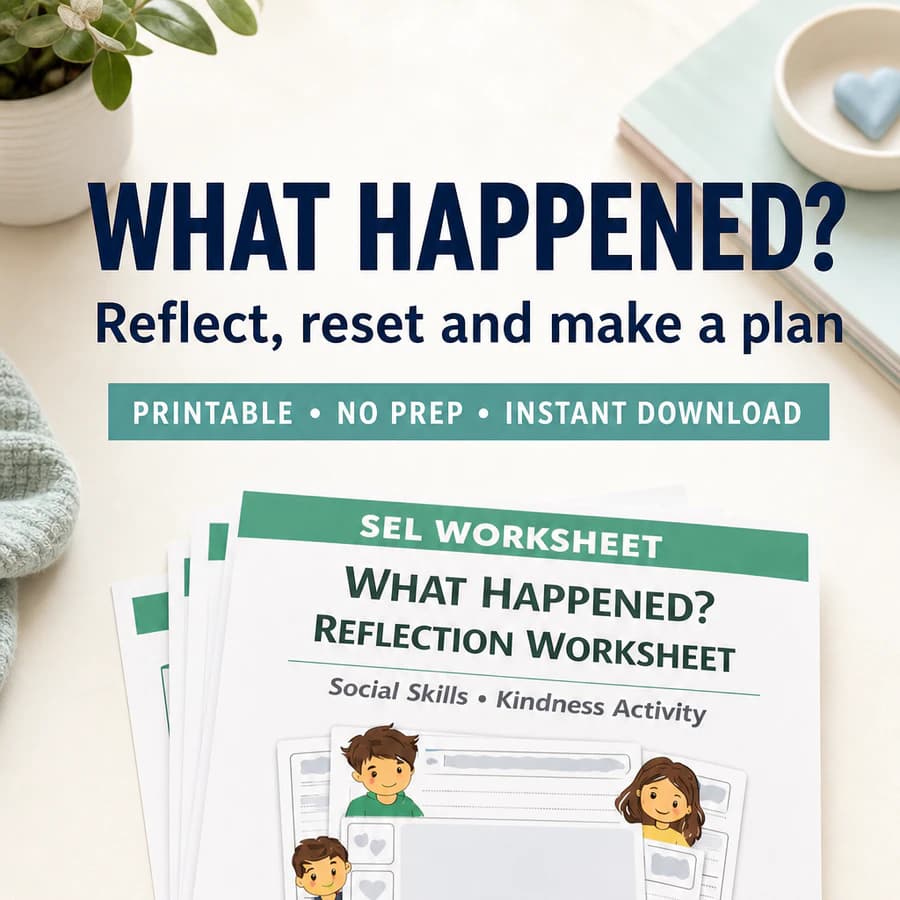
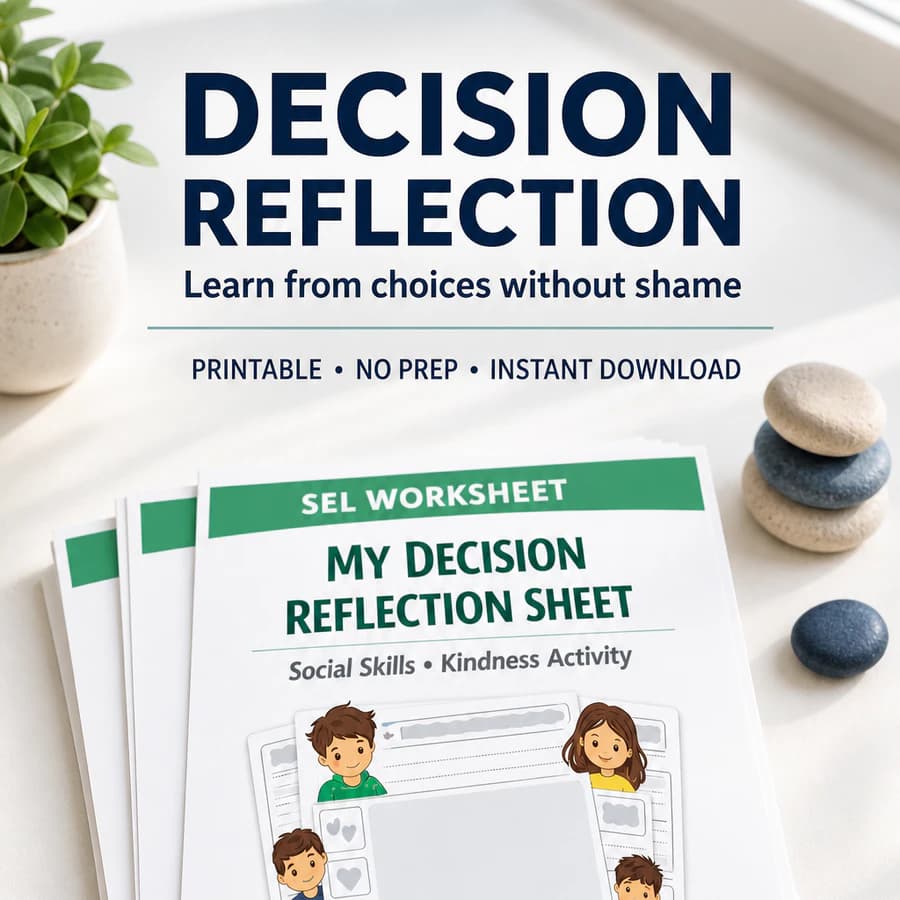
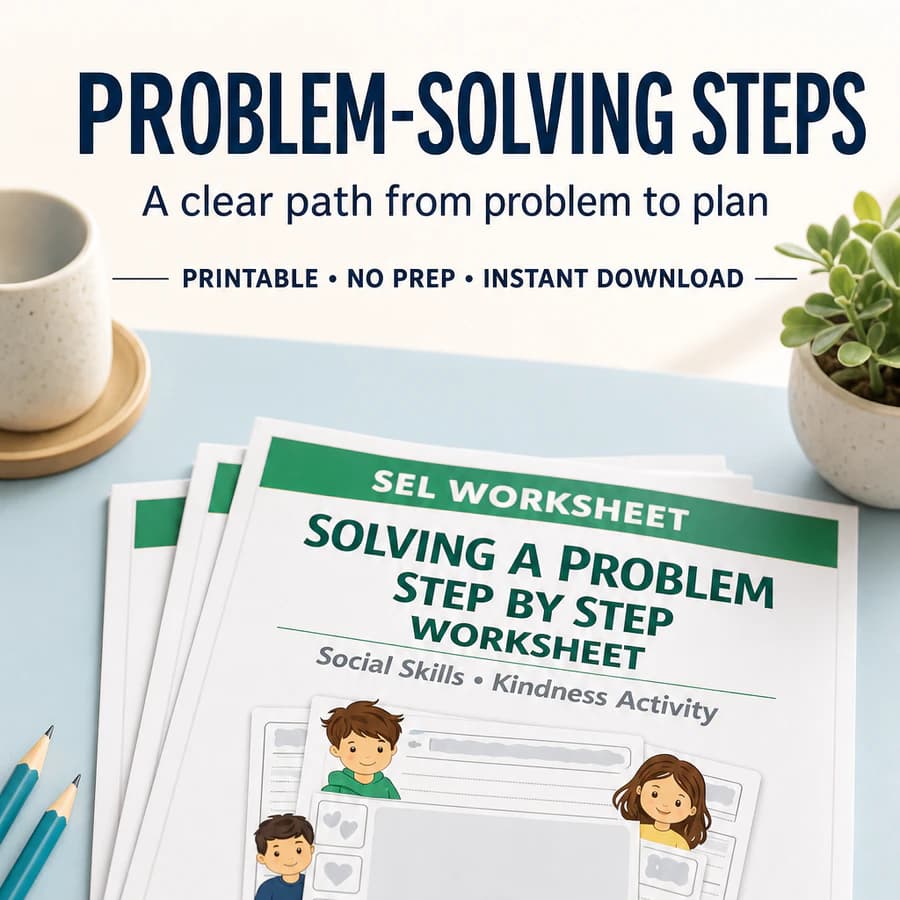
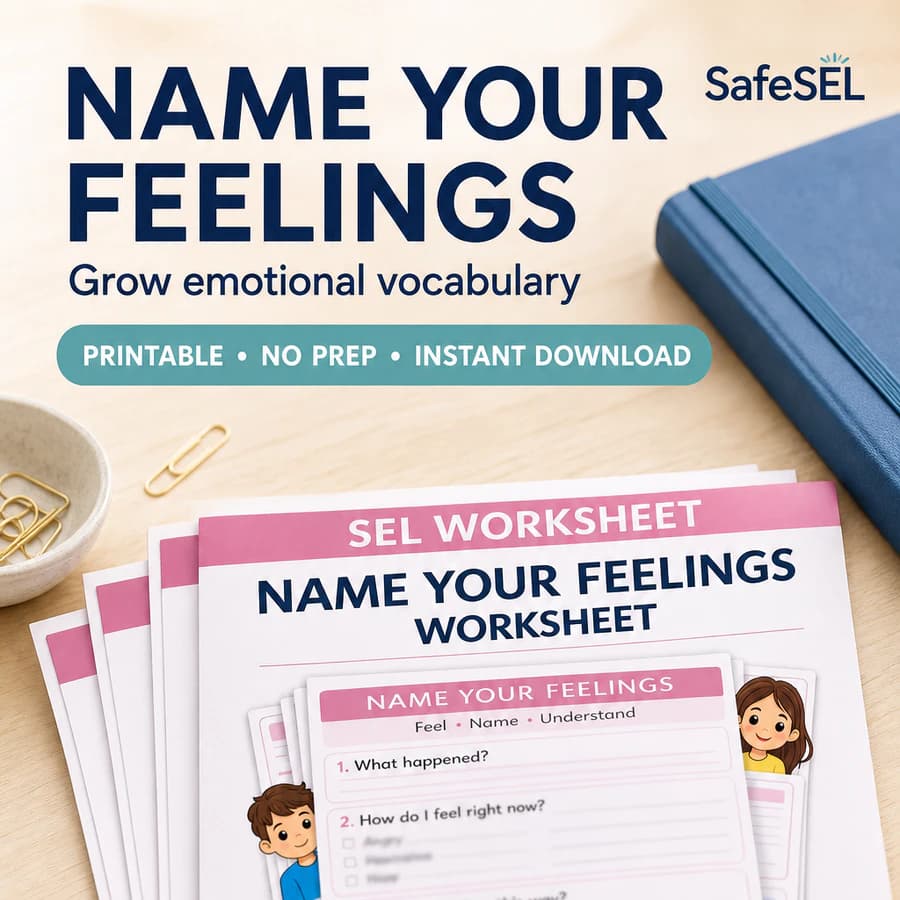
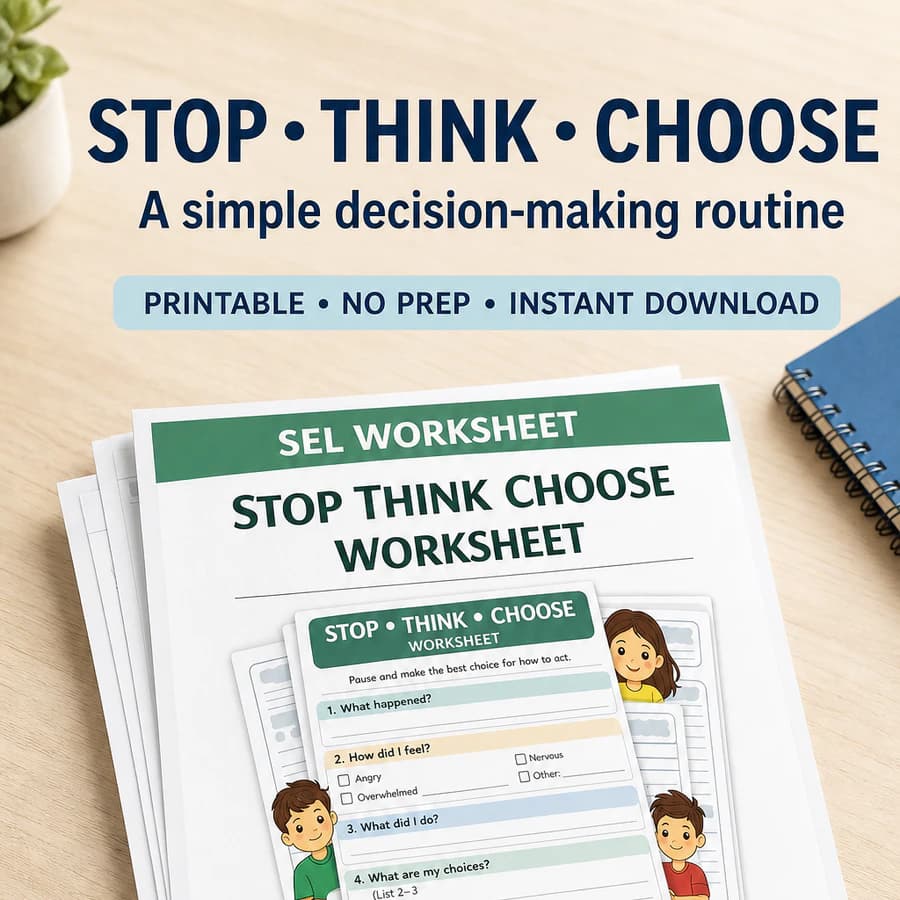
Printable behavior reflection worksheets for choices, consequences, self-control, problem solving and planning a more useful next step after a difficult situation.

behavior reflection worksheetbehavior think sheetchoices and consequences
Selected products

Start with these Behavior Reflection resources.

View the complete collection →
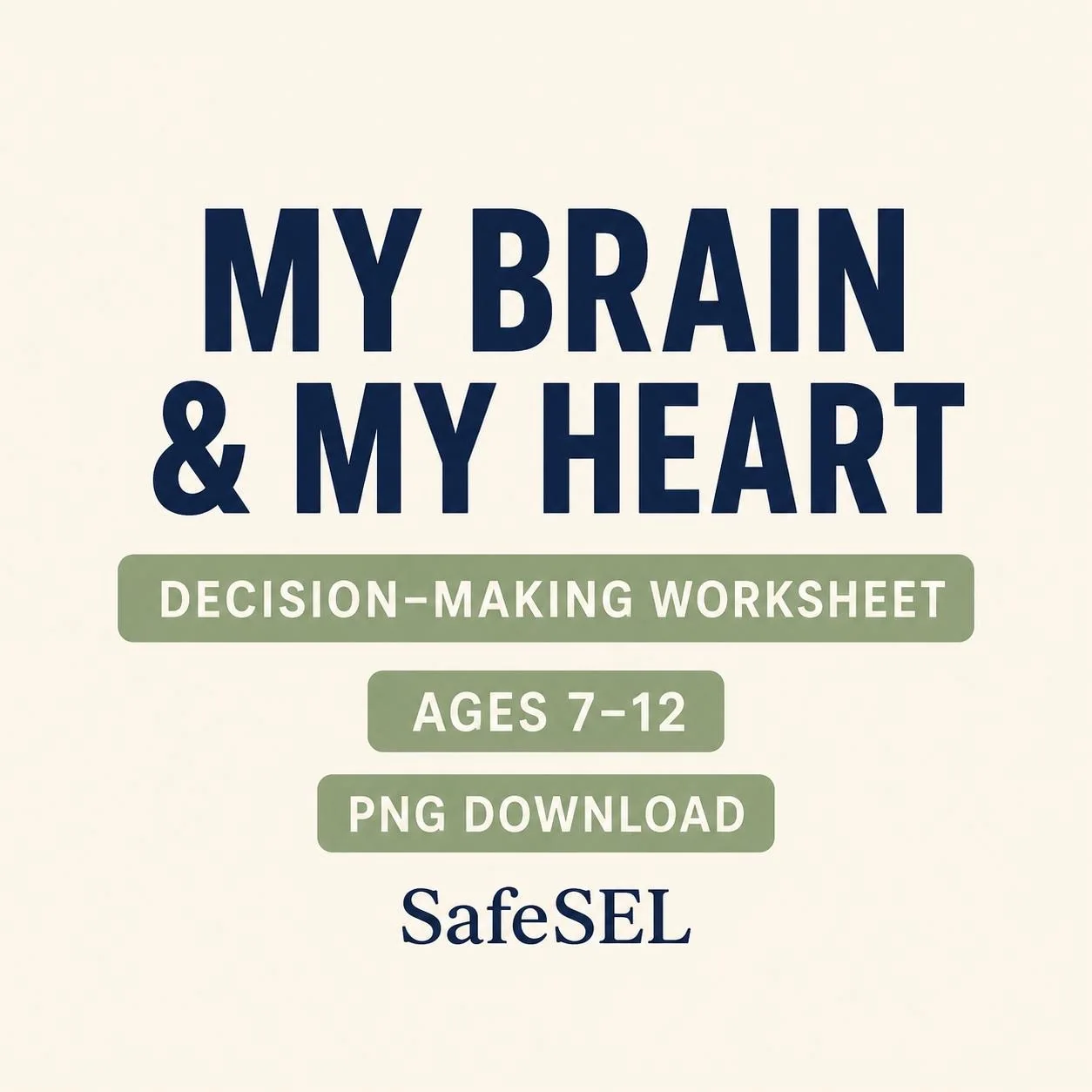
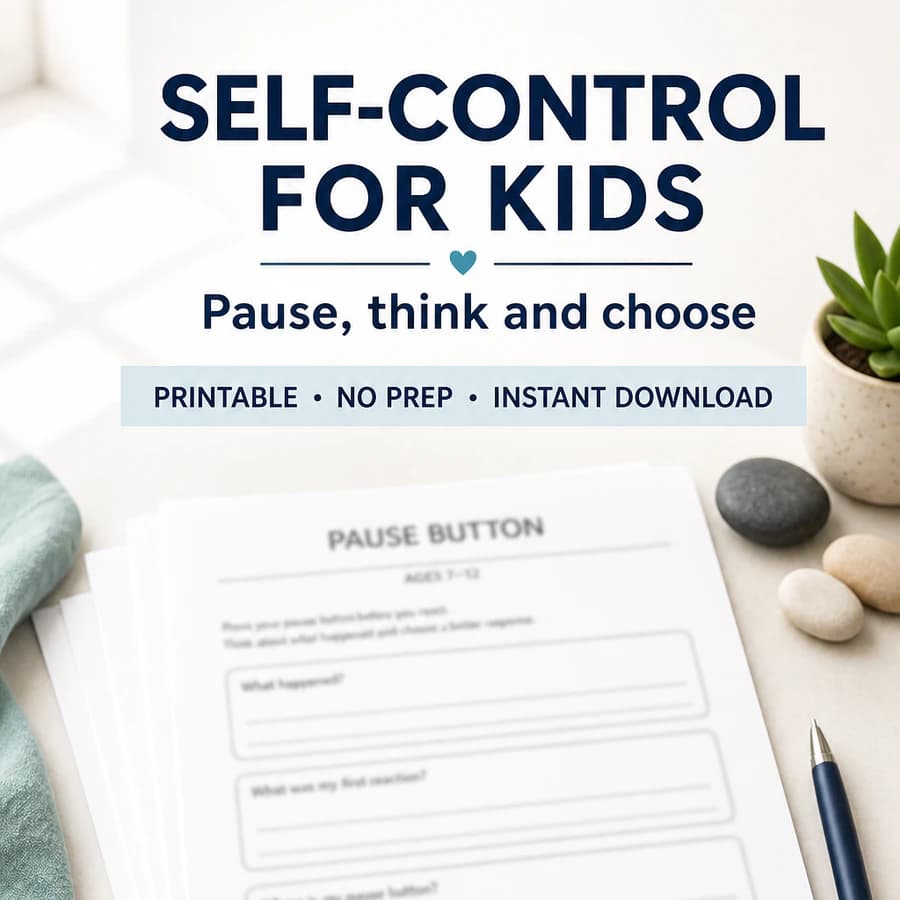
Decision-Making and Impulse Control Worksheet Ages 7–12
Worksheets

Decision-Making and Impulse Control Worksheet Ages 7–12

See product title and descriptionZIP

Decision-Making and Impulse Control Worksheet Ages 7–12 is a ready-to-use SafeSEL resource for Parents, Caregivers, Educators and Therapists. It provides practical material for decision-Making and Impulse Control Worksheet Ages 7–12.
Try a free resource

Start with a focused free PDF.

Practical guidance
Browse all guides →

Use a reflection sheet after regulation, not during escalation

A worksheet is unlikely to teach much while a child is still overwhelmed, angry or frightened. Address safety and regulation first. Return later to what happened, what the child noticed, who was affected and one realistic next step.

Read the reflection-sheet guide →

A behavior think sheet should produce a next step

Avoid pages that only ask a child to confess what they did wrong. Useful reflection links the situation, the choice, its impact and an alternative that can actually be practised. Drawing, selecting options or dictating an answer can be more appropriate than requiring long written responses.

Preview a free behavior check-in →
Practical use

Designed to make the next step clearer.

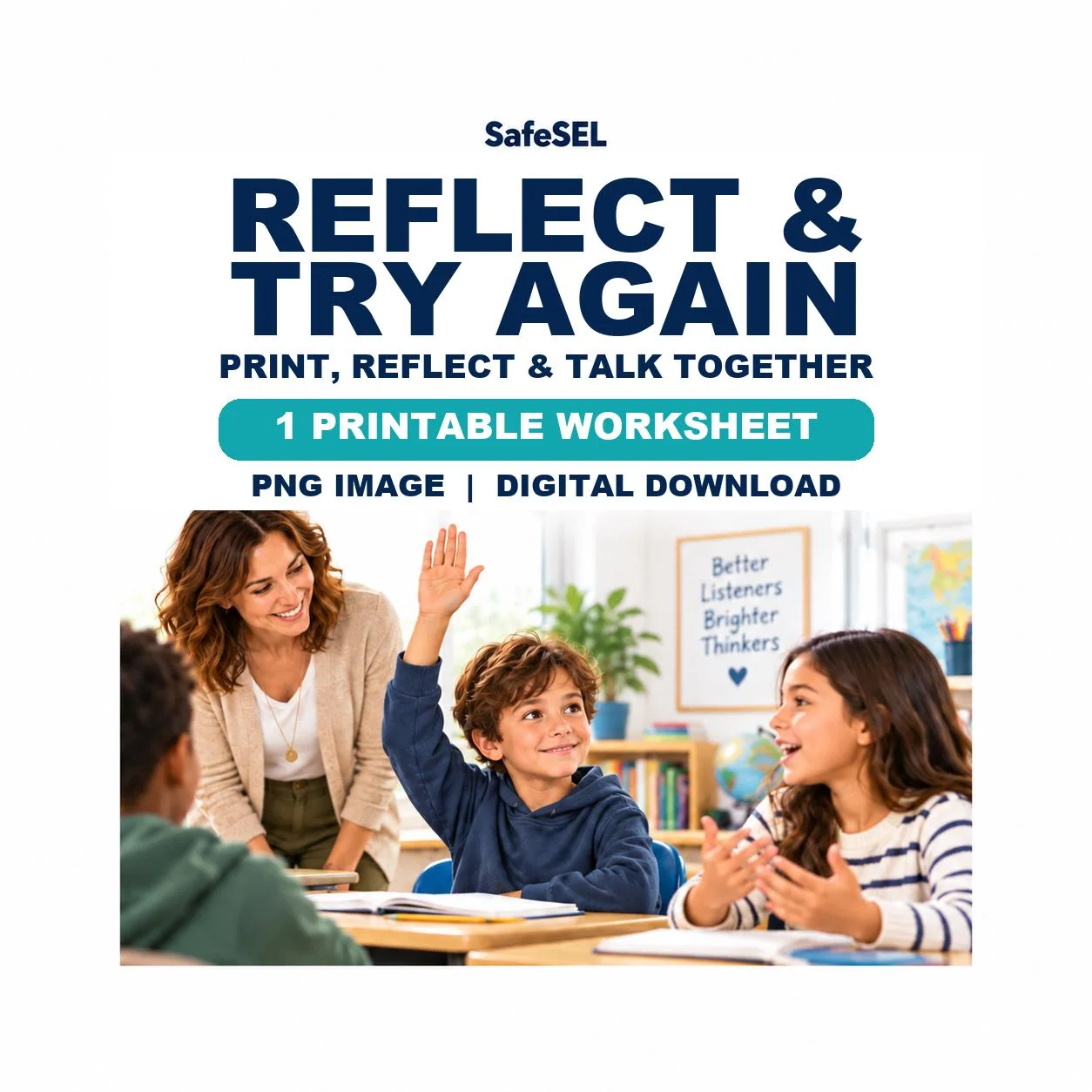
Reflection works best after regulation has returned. Use the page to reconstruct what happened, notice context and impact, compare possible choices and identify one realistic next step. A think sheet should support learning and repair, not become a punishment for being upset.

  • Worksheets for choices, consequences, impulse control and next-step planning
  • Non-shaming reflection after the child is calm enough to think
  • Useful for school counseling, classroom support and guided individual work
Questions

Frequently asked questions

When should a behavior reflection worksheet be used?

Use it after immediate safety and regulation needs are addressed. A child who is still highly distressed is unlikely to benefit from written reflection or problem solving.

Is a behavior think sheet supposed to be a consequence?

It is more useful as a teaching and repair tool than as a punishment. The page should help the child understand the situation, consider impact and plan a realistic alternative.

What if writing is difficult for the child?

An adult can read prompts aloud and let the child point, draw, choose between examples or dictate an answer. The task should measure reflection, not handwriting endurance.

Complete catalog

Explore all 16 Behavior Reflection resources.

Filter by resource type and age group to find the most useful printable.

Browse the full collection