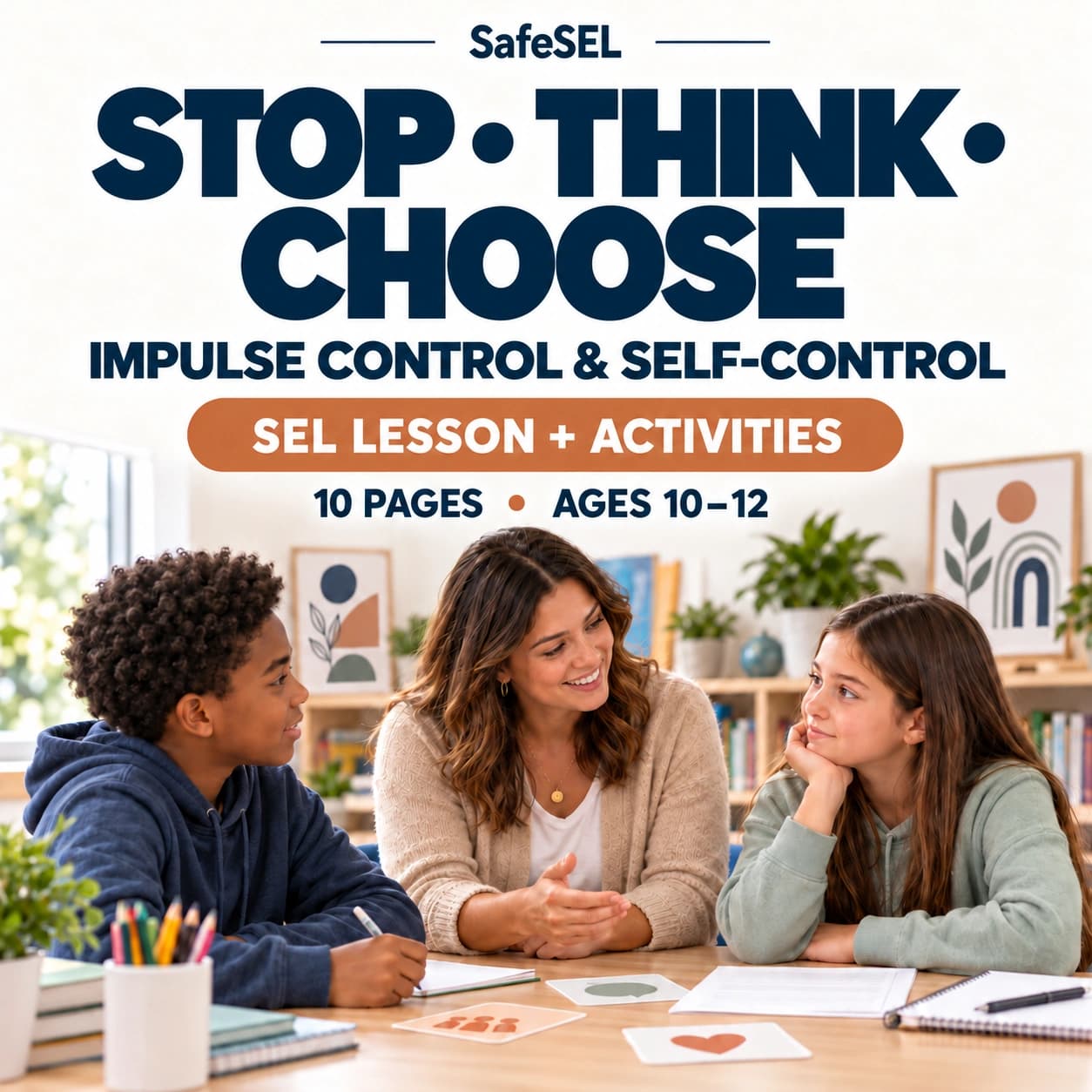
SEL Lessons
Stop – Think – Choose Ages 10-12
Ages 10–12PDF
This ready-to-use SEL lesson for ages 10–12 focuses on stop think choose through concrete prompts and realistic practice.
Build an effective social and emotional learning curriculum for elementary students with practical guidance, SEL lessons, worksheets and ready-to-use resources.
This ready-to-use SEL lesson for ages 10–12 focuses on stop think choose through concrete prompts and realistic practice.
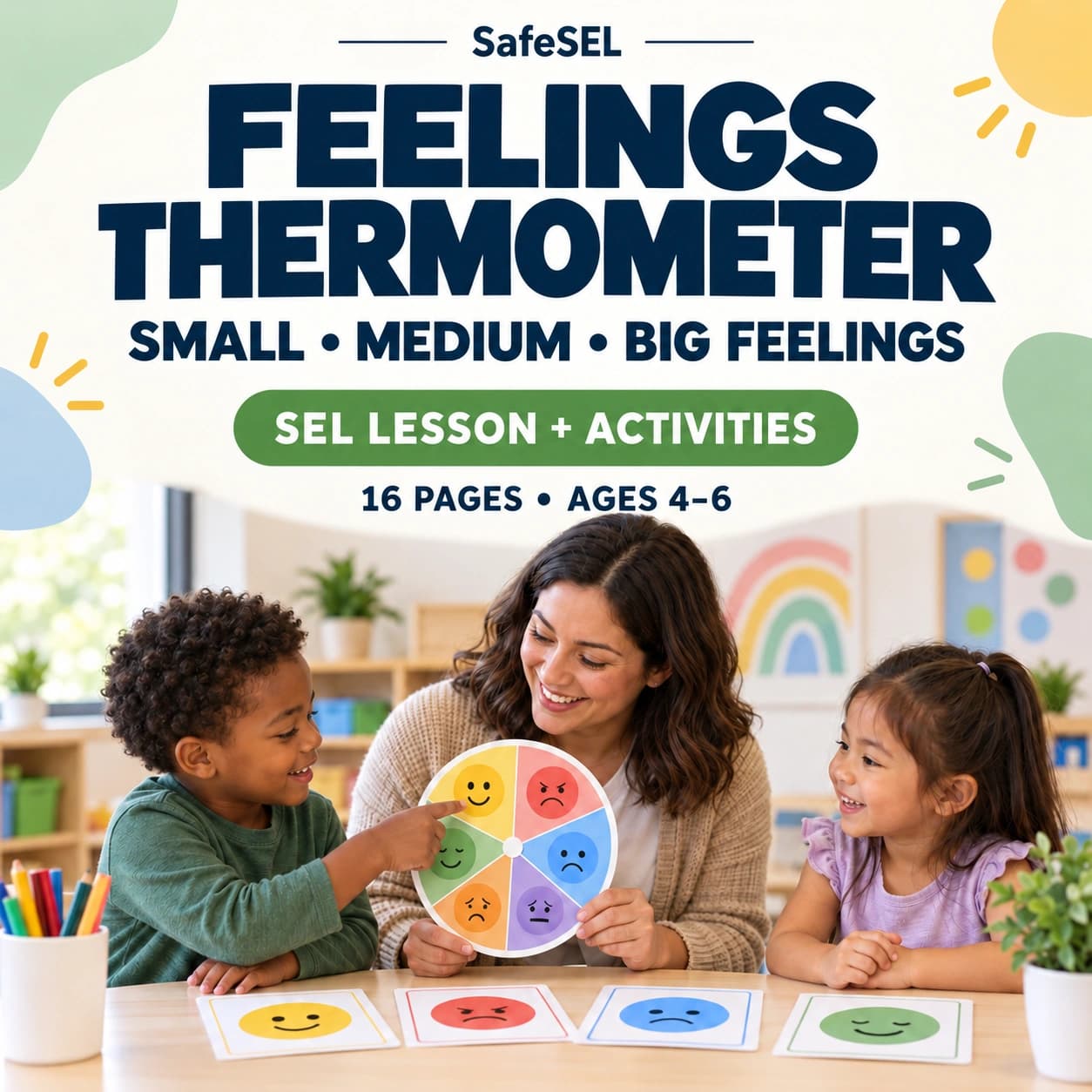
A structured, no-prep SEL lesson for ages 4–6 about big & small feelings, with guided teaching and printable student activities.
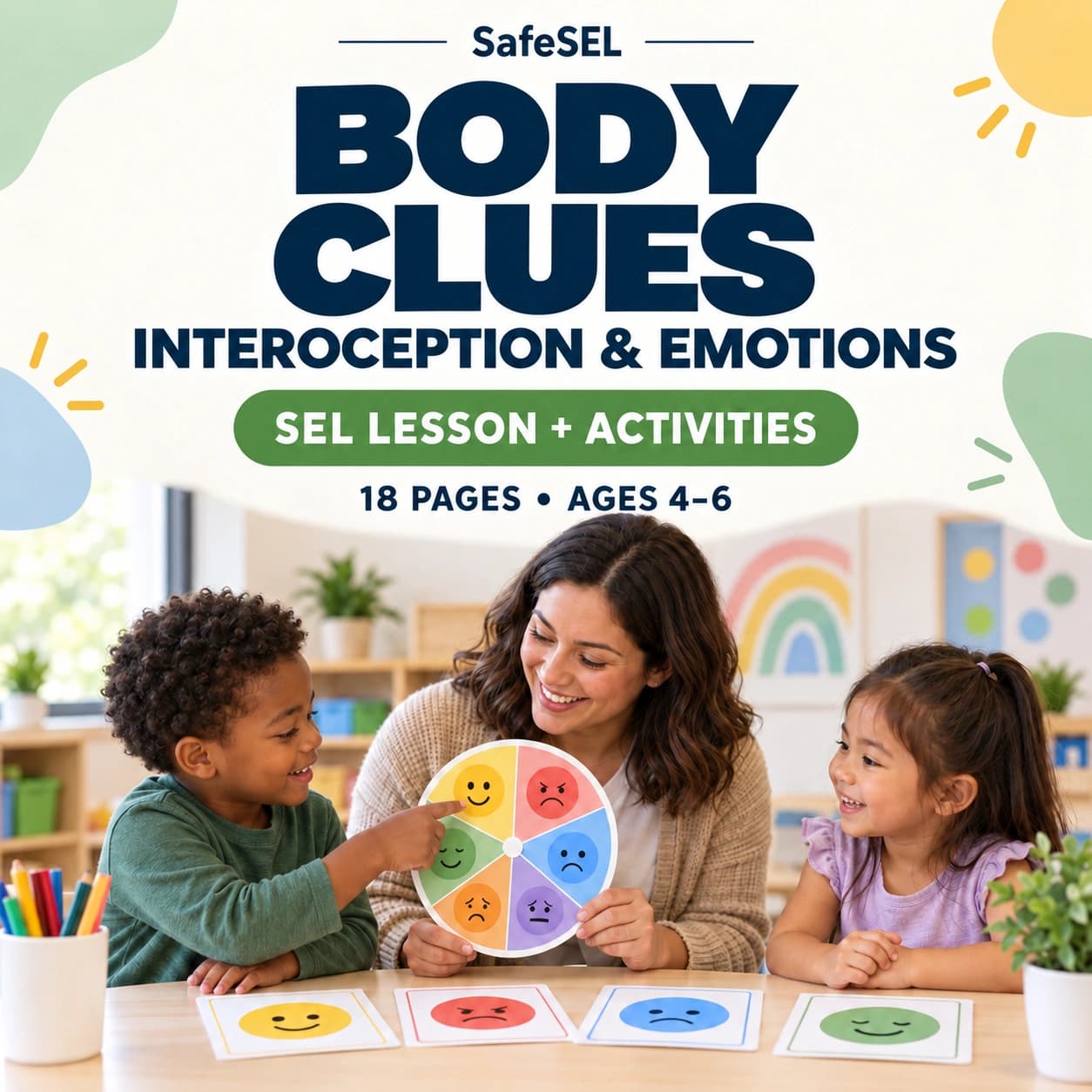
A structured, no-prep SEL lesson for ages 4–6 about body clues, with guided teaching and printable student activities.
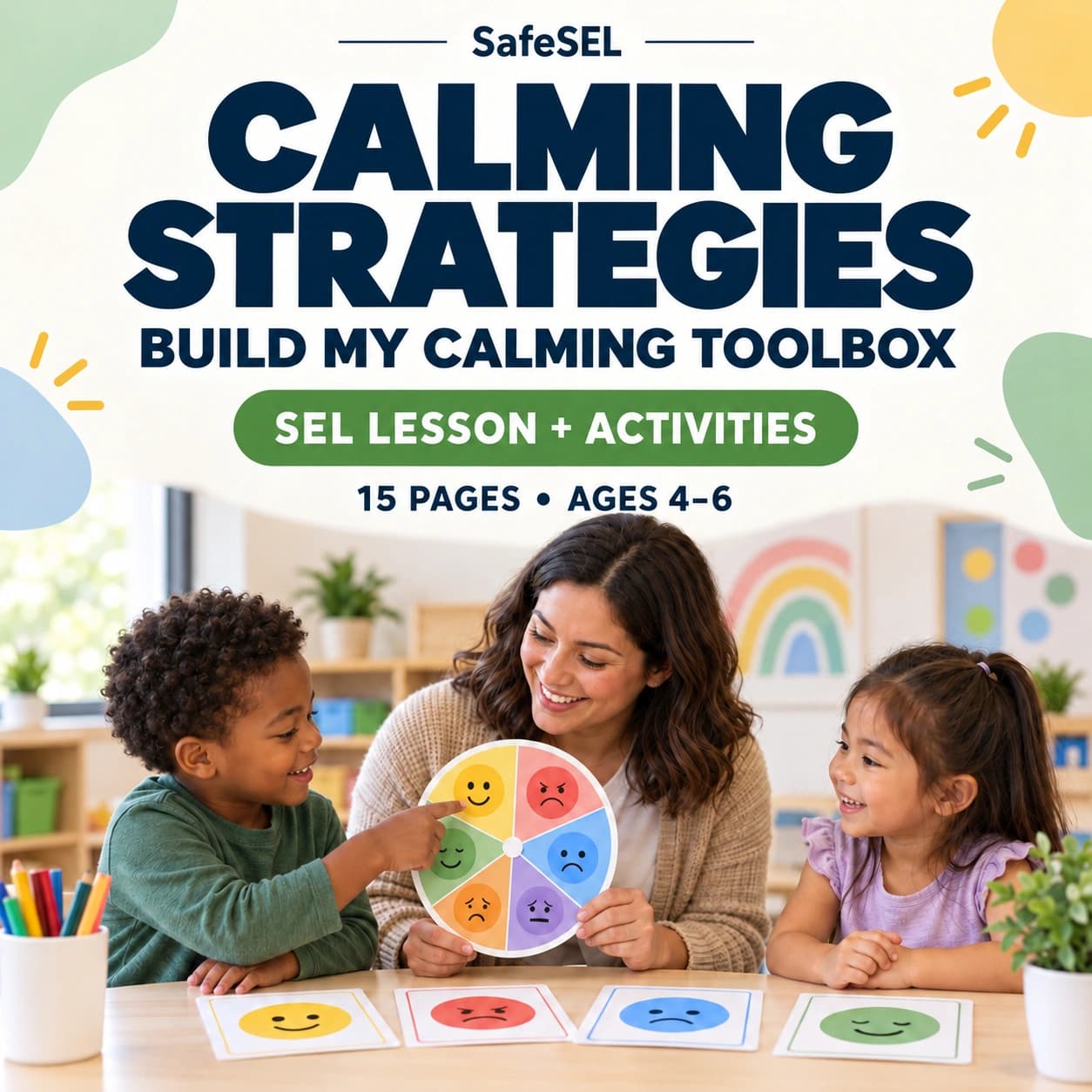
A structured, no-prep SEL lesson for ages 4–6 about my calming toolbox, with guided teaching and printable student activities.
A structured, no-prep SEL lesson for ages 4–6 about what is anxiety?, with guided teaching and printable student activities.
A structured, no-prep SEL lesson for ages 4–6 about calm breathing & grounding, with guided teaching and printable student activities.
A structured, no-prep SEL lesson for ages 4–6 about meet my worry monster, with guided teaching and printable student activities.
A structured, no-prep SEL lesson for ages 4–6 about stop–think–choose, with guided teaching and printable student activities.
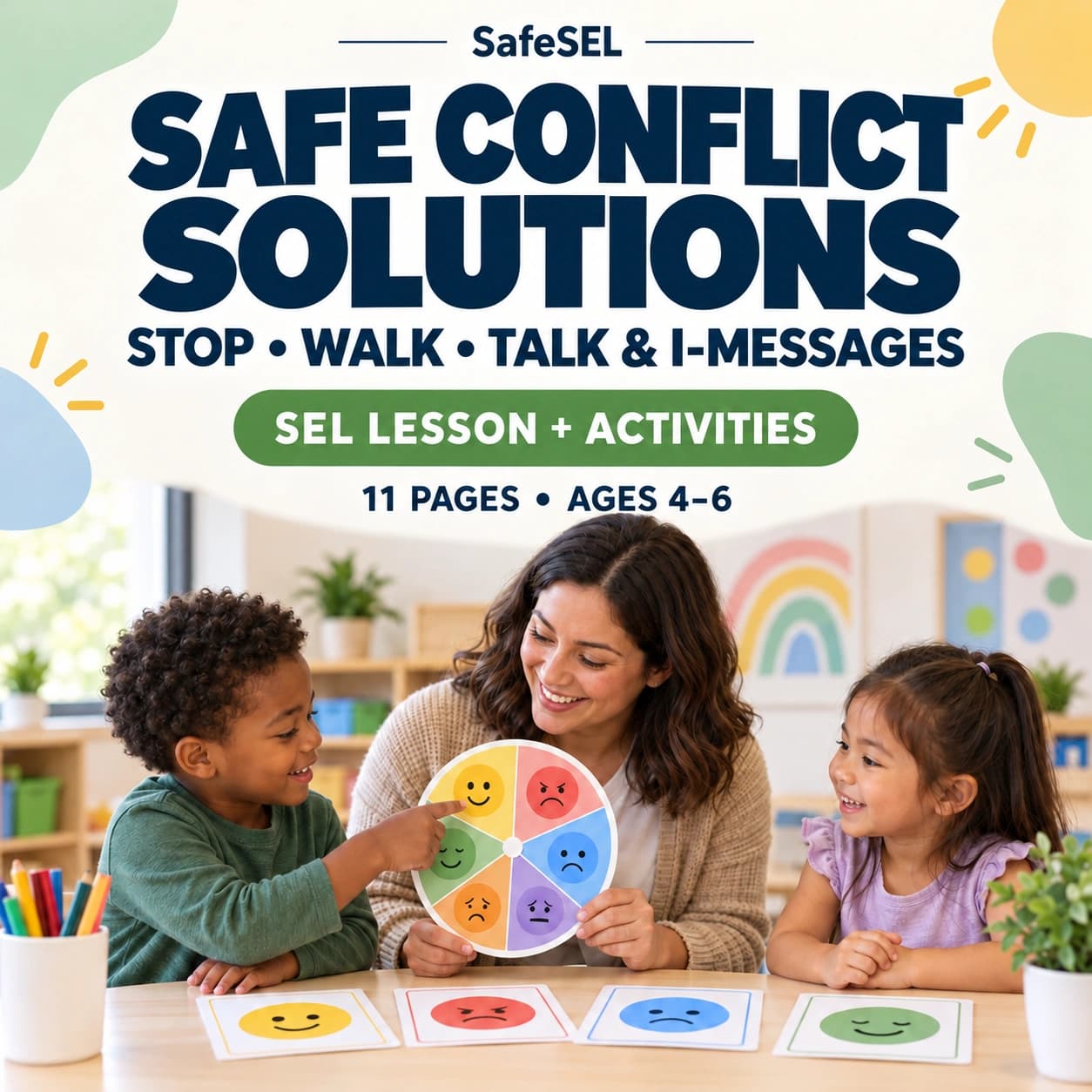
A structured, no-prep SEL lesson for ages 4–6 about bullying & conflict resolution, with guided teaching and printable student activities.
Teach cognitive flexibility with personal examples, scenarios and one realistic response to change.
Open the free resource →Compare what two people may know, want, notice or feel in the same situation.
Open the free resource →Practice anger signals, coping choices, support and repair through guided classroom discussion.
Open the free resource →A practical framework for teaching, practising and revisiting SEL skills across school settings.
Read the guide →Support autonomy, privacy and realistic discussion with older elementary students.
Read the guide →Use one-to-one participation as useful information rather than treating refusal as simple defiance.
Read the guide →A social emotional learning curriculum needs opportunities to revisit a skill, not just a new worksheet each day. Choose SEL lesson plans with a clear practice focus and connect them with later discussion. For example, SEL activities for elementary students might introduce asking to join a game, compare responses and return to the same language another day. A completed page shows participation in the task; it does not establish mastery of the skill.
The same focus can need a different format in each setting. A class may discuss a fictional scenario, a small group may take turns with cards, and a homeschool activity may begin with a character in a story. Review the lesson directions, age range and reading demands before choosing. The Complete SEL Toolkit is a printable resource library that can supplement your curriculum; it is not a claim of school accreditation or a validated intervention program.
When reviewing examples of lesson plans, look for an explanation, a model and a chance to practise. A social and emotional learning curriculum also needs a way to return to earlier ideas. A later friendship activity, for instance, can reuse perspective-taking language introduced in a previous lesson. These printable materials can support that sequence; your school still decides its learning objectives, timetable and approach to reviewing progress.
For curriculum planning, choose the skill to revisit and how children will practise it more than once. A social skills curriculum might connect perspective taking, disagreements and repair while keeping each lesson’s purpose distinct. Your unit plan can show where a discussion, worksheet or game fits. Review what children can explain and try in context rather than treating a completed worksheet as proof that the skill transfers everywhere.
Choose focused resources for individual skills or combine coordinated lessons, worksheets and activities into a consistent elementary SEL program.
It typically develops self-awareness, emotional regulation, social awareness, relationship skills and responsible decision-making through explicit teaching and practice.
Yes. The printable lessons and activities can supplement an existing curriculum or help you create a flexible SEL sequence for your students.
Filter by resource type and age group to find the most useful printable.