Worksheets
CBT Therapy Worksheets for Kids
Ages 7–12ZIP
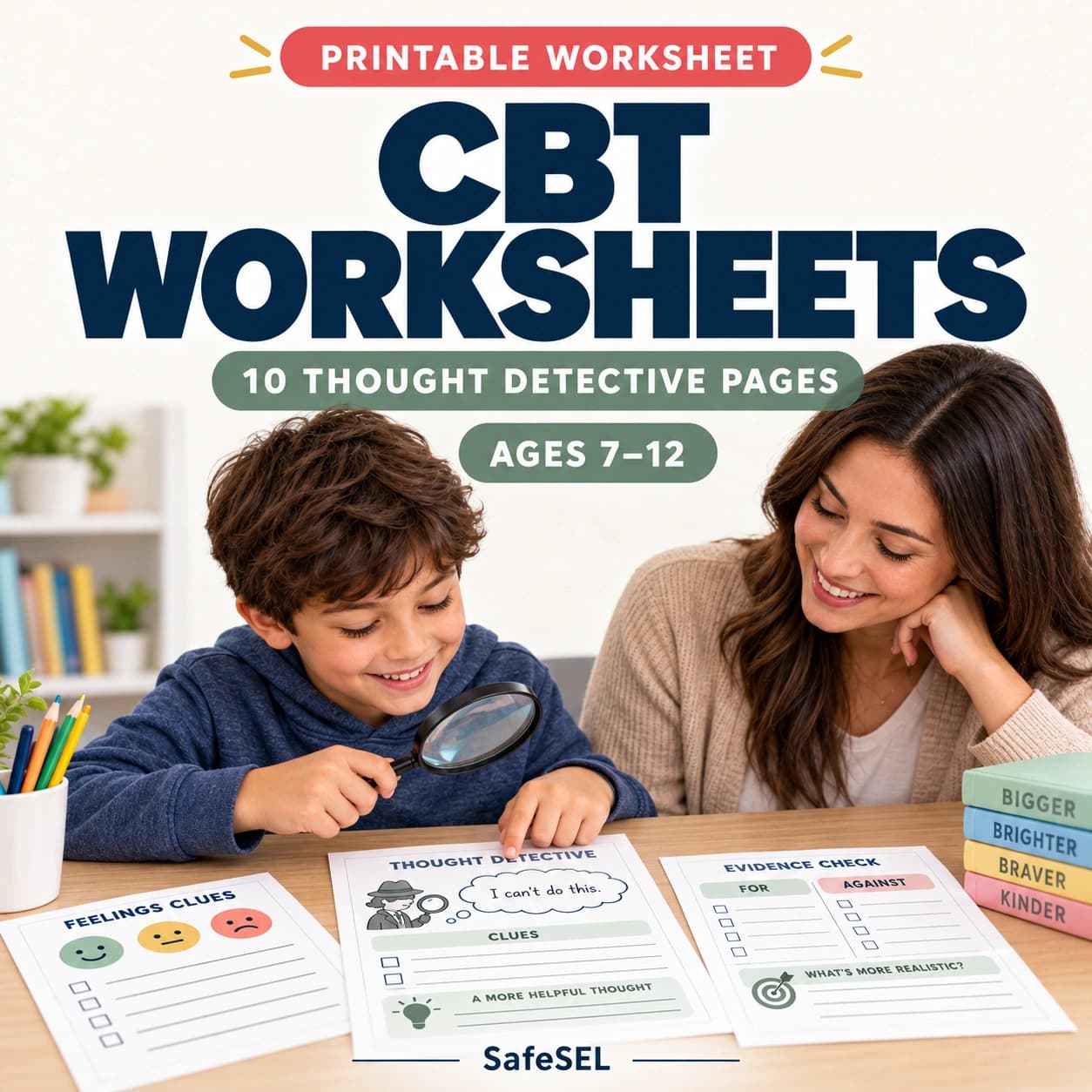
A printable bundle for ages 7–12 focused on anxiety and worry support. Includes ZIP files for print-and-use access.
Explore child-friendly therapy printables, worksheets and practical tools for emotional regulation, coping, CBT-informed skills and counseling.
A printable bundle for ages 7–12 focused on anxiety and worry support. Includes ZIP files for print-and-use access.

Make anxiety and what-if thoughts easier to discuss with this printable social story resource for ages 7–12.
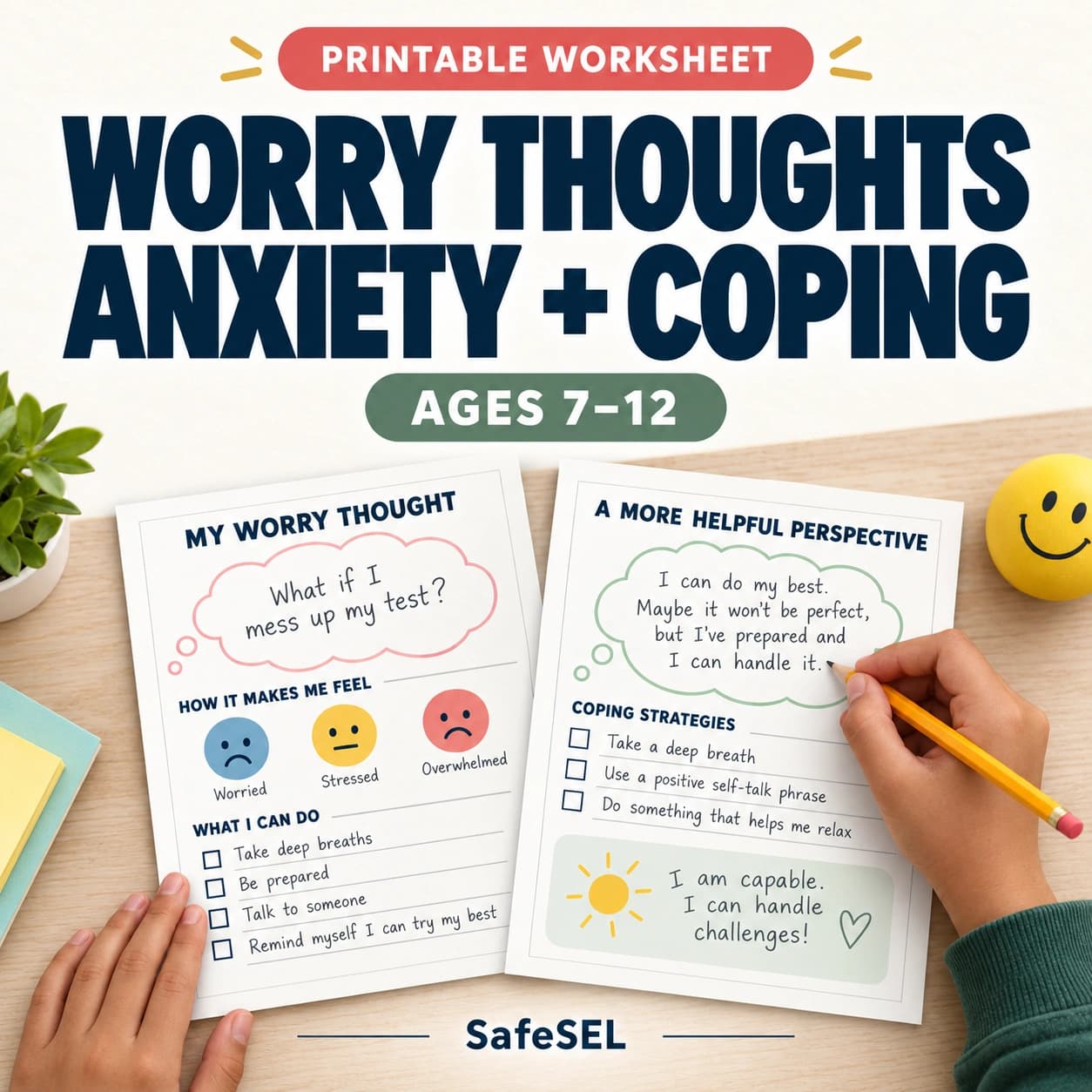
Turn everyday challenges with my worry thoughts and coping skills into manageable skill practice using this printable SEL worksheet for children.
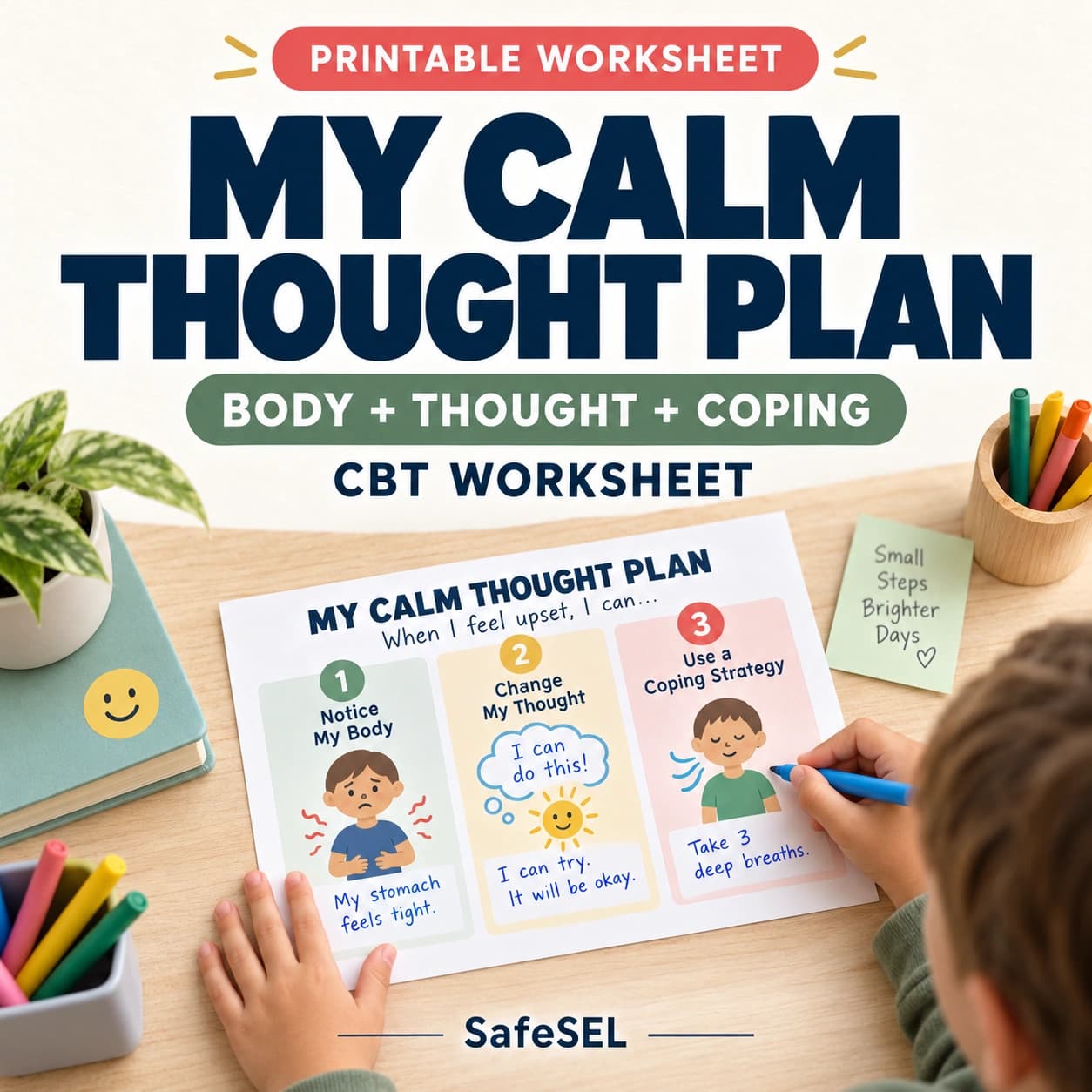
A focused printable CBT worksheet for ages 7–12 that helps children practise calm plan through clear, guided reflection.
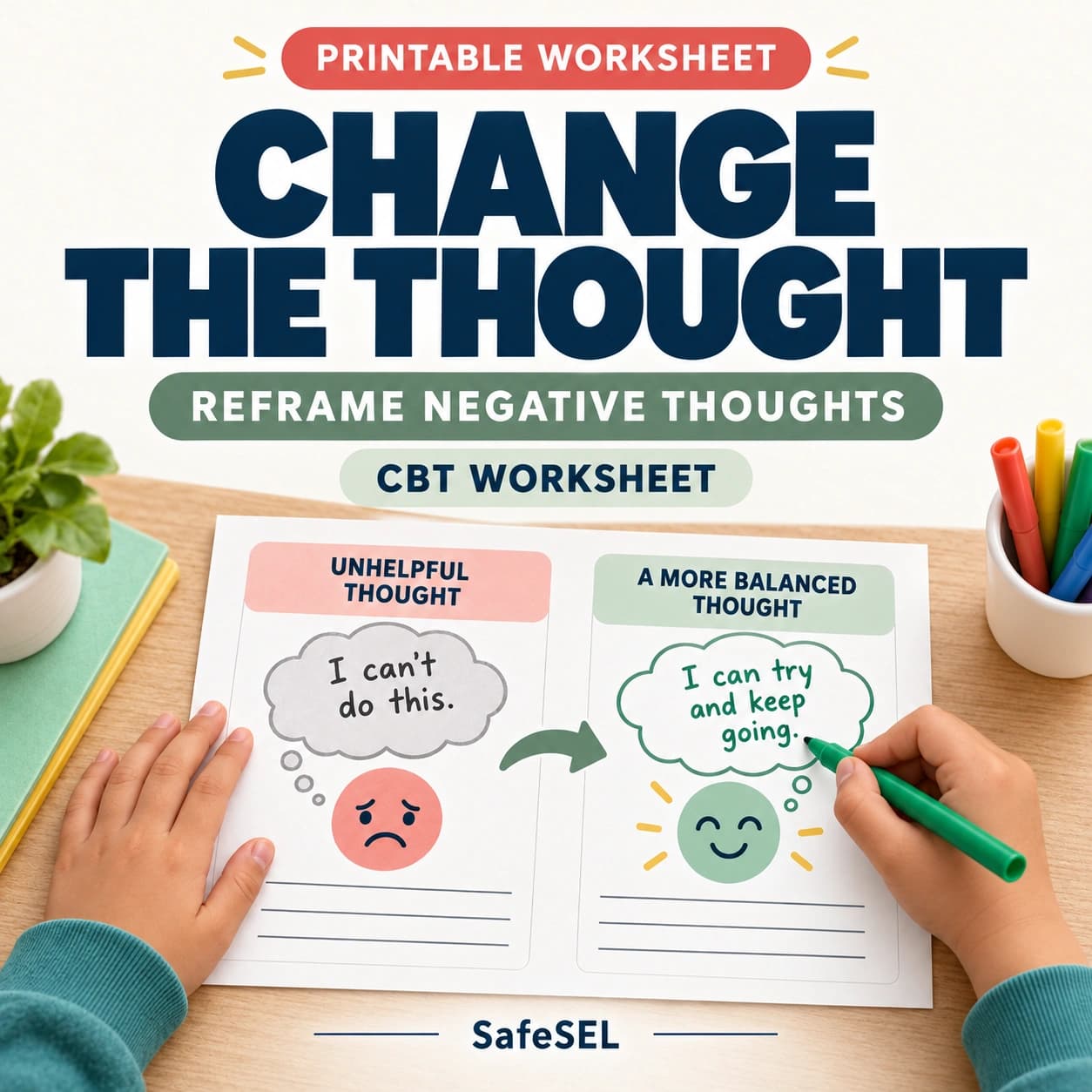
A focused printable CBT worksheet for ages 7–12 that helps children practise change the thought through clear, guided reflection.
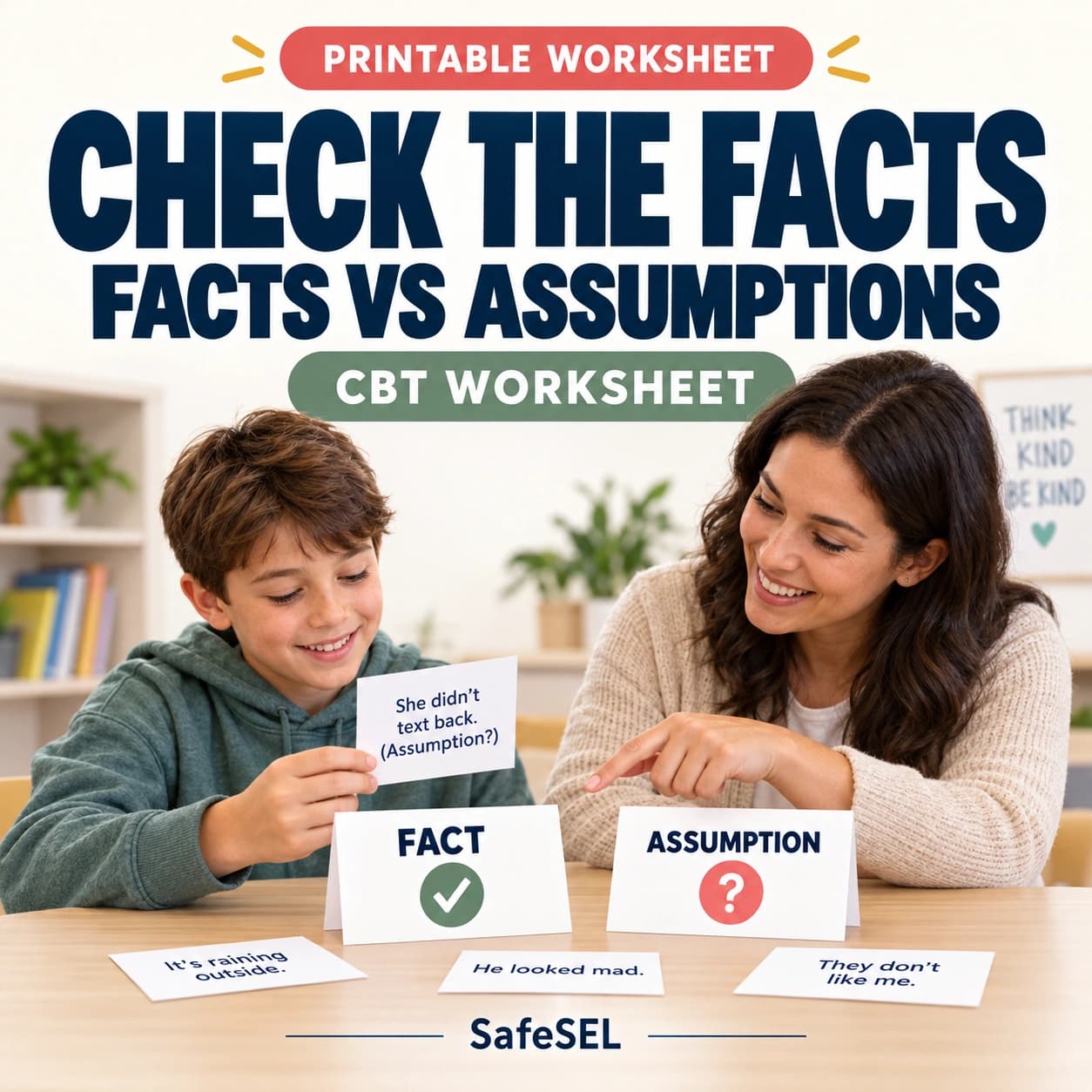
A focused printable CBT worksheet for ages 7–12 that helps children practise check the facts through clear, guided reflection.
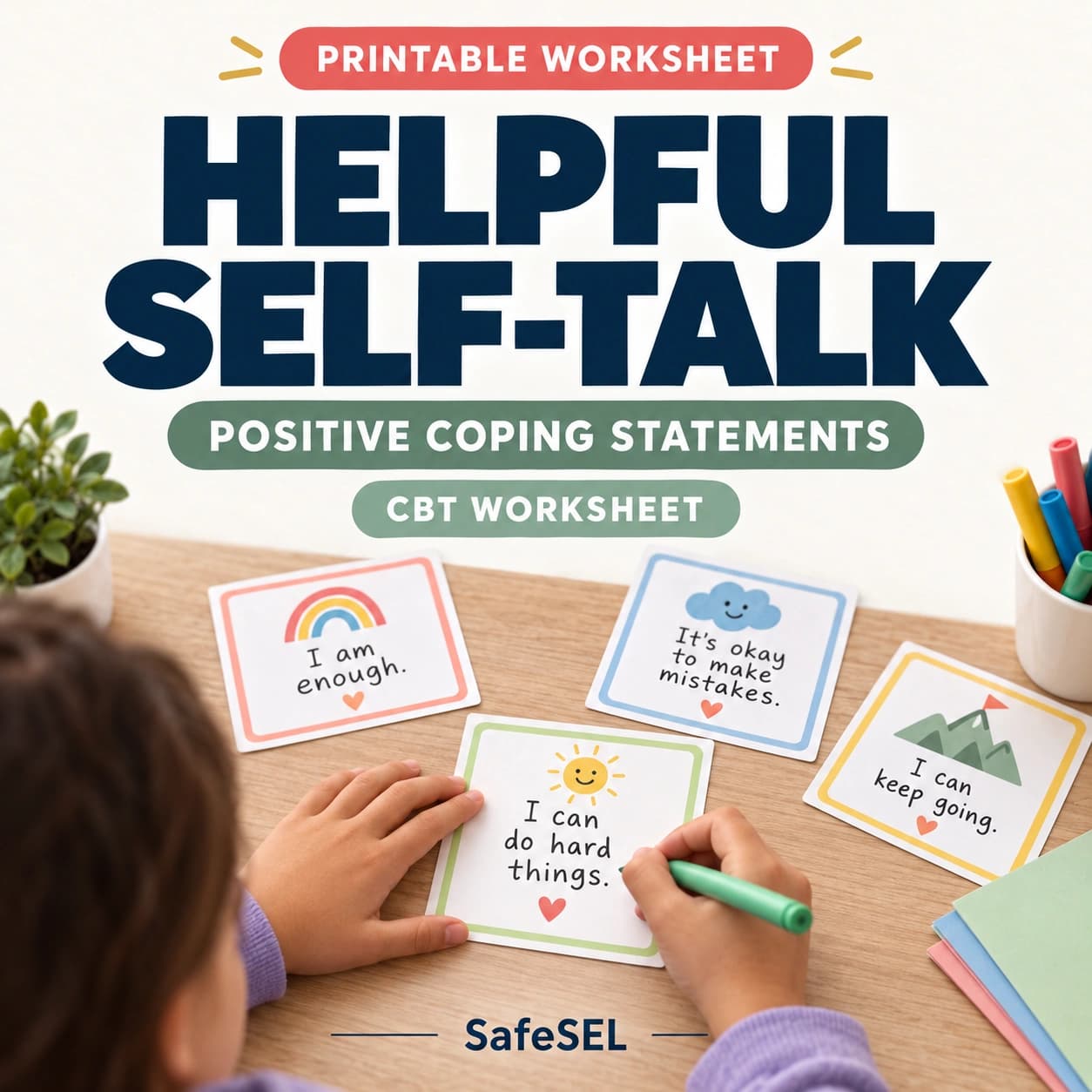
A focused printable CBT worksheet for ages 7–12 that helps children practise helpful self-talk through clear, guided reflection.
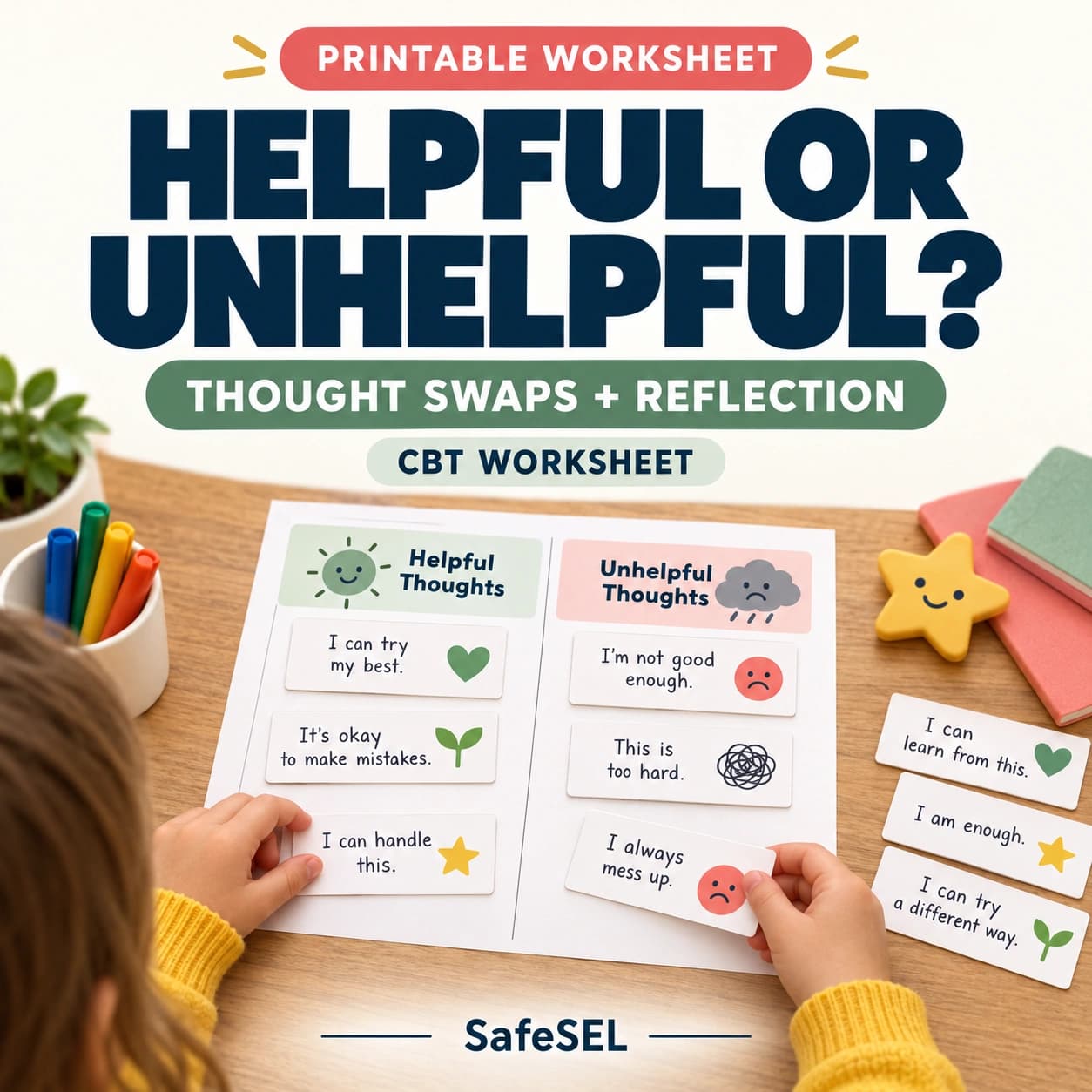
A focused printable CBT worksheet for ages 7–12 that helps children practise helpful or unhelpful thought? through clear, guided reflection.
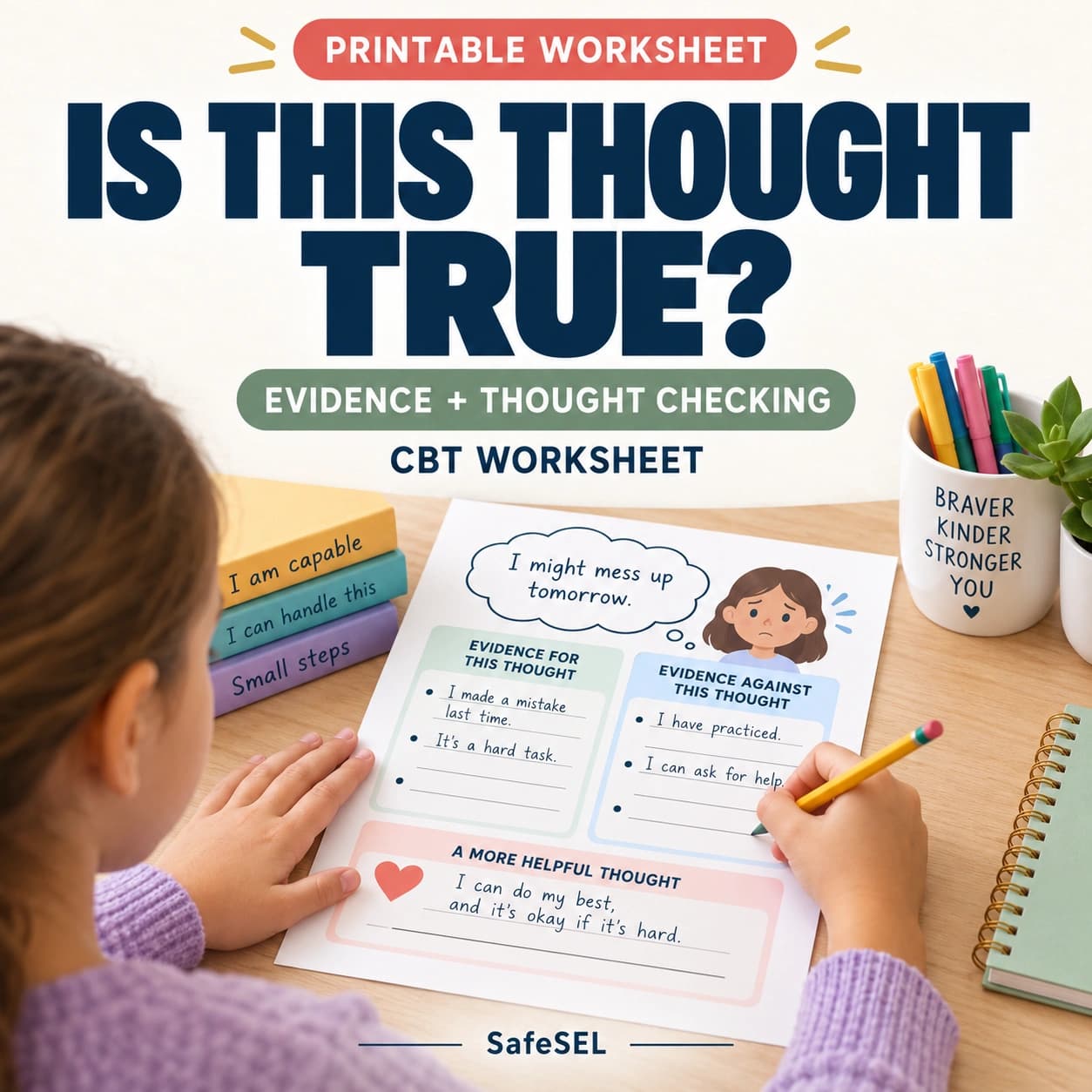
A focused printable CBT worksheet for ages 7–12 that helps children practise is this thought true? through clear, guided reflection.
Try a practical session-planning page before comparing the complete professional resource.
Open the free resource →Preview a structured intake sample for gathering child and family information.
Open the free resource →Use a general progress-note structure for focus, intervention, response and next steps.
Open the free resource →Explore body signals and early cues collaboratively with a child.
Open the free resource →Organize intake, planning, parent work and session tools so resources are easier to find and use in real clinical workflow.
Read the guide →Move from identifying avoidance patterns toward careful, individualized exposure planning in child therapy.
Read the guide →A practical framework for assessment and support when a child is coping with loss, separation or family change.
Read the guide →Child-facing therapy printables support an activity or conversation, while clinical forms support a practitioner’s working records. Choose the reader first. CBT therapy worksheets and other CBT tools may organise a discussion of thoughts and responses; other counseling tools focus on coping or communication. Review the preview and instructions before use. This collection is not an assessment service or a complete course of therapy.
For a thought-and-feeling discussion, look for an example the child can understand. For coping practice, choose a page that leaves room for individual preferences and adult support. Read the preview, age range and instructions before using it. A printable does not provide an assessment, a diagnosis or a complete course of therapy.
Treatment worksheets are one type of therapy tool, not a substitute for deciding what the session needs. Some pages support child participation; others organise information for the practitioner. Compare the intended audience, instructions and actual sample pages. Keep clinical documentation separate from child-facing activities, and adapt therapy tools only within your training, professional role and the needs of the person you support.
Use focused worksheets during sessions and share eligible individual parent handouts to reinforce practical strategies between professional support and home.
They are designed for therapists, school counselors and other qualified child-support professionals, with selected resources also suitable for guided practice at home.
No. They are educational resources that can support professional work but do not replace assessment, diagnosis or individualized treatment.
Filter by resource type and age group to find the most useful printable.