Article archive: page 14
More practical, evidence-informed guidance for the real emotional and social situations children face.
Helping vs. Rescuing: How Parents Can Support Skill Development
A practical, evidence-informed guide to helping vs. rescuing, with concrete examples, accessible next steps, and clear limits on what the guidance can establish.
Starting Boring Tasks: Practical Supports Beyond “Try Harder”
Help a child start an unappealing task by clarifying the first action, reducing setup demands and checking access. Support independence without taking over.
A Family Routine vs. Rigid Control: How to Keep Structure Flexible
A practical, evidence-informed guide to a family routine vs. rigid control, with concrete examples, accessible next steps, and clear limits on what the guidance can establish.
How to Support a Child Who Forgets a Familiar Routine
A practical guide to supporting a child who forgets a familiar routine, with realistic steps, language adults can use, and ways to judge whether the plan is helping.
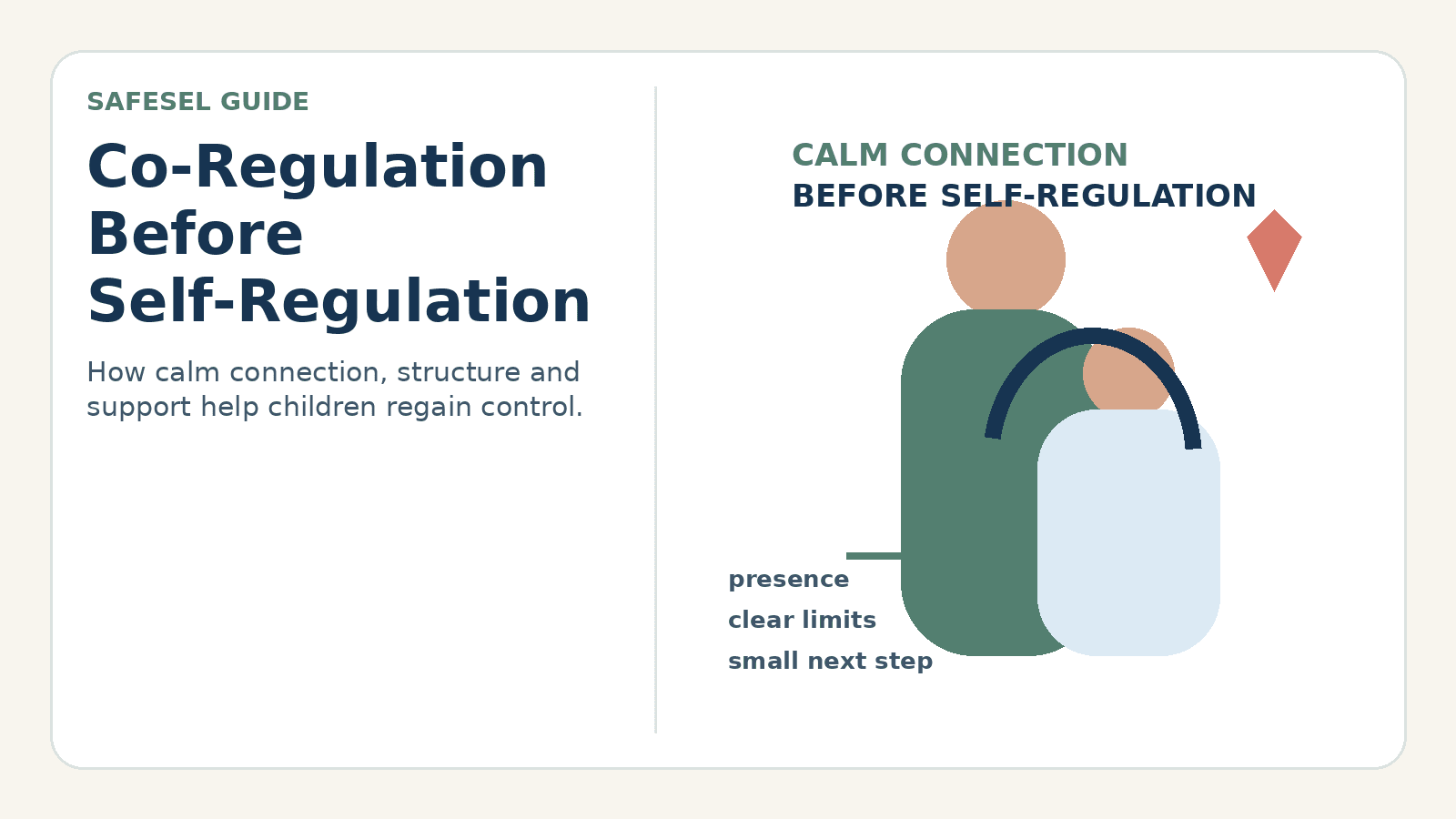
Validation vs. Agreement: Why Parents Can Understand a Feeling and Still Say No
A practical, evidence-informed guide to validation vs. agreement, with concrete examples, accessible next steps, and clear limits on what the guidance can establish.
How to Give Instructions When Working Memory Is Easily Overloaded
A practical guide to giving instructions when working memory is easily overloaded, with realistic steps, language adults can use, and ways to judge whether the plan is helping.
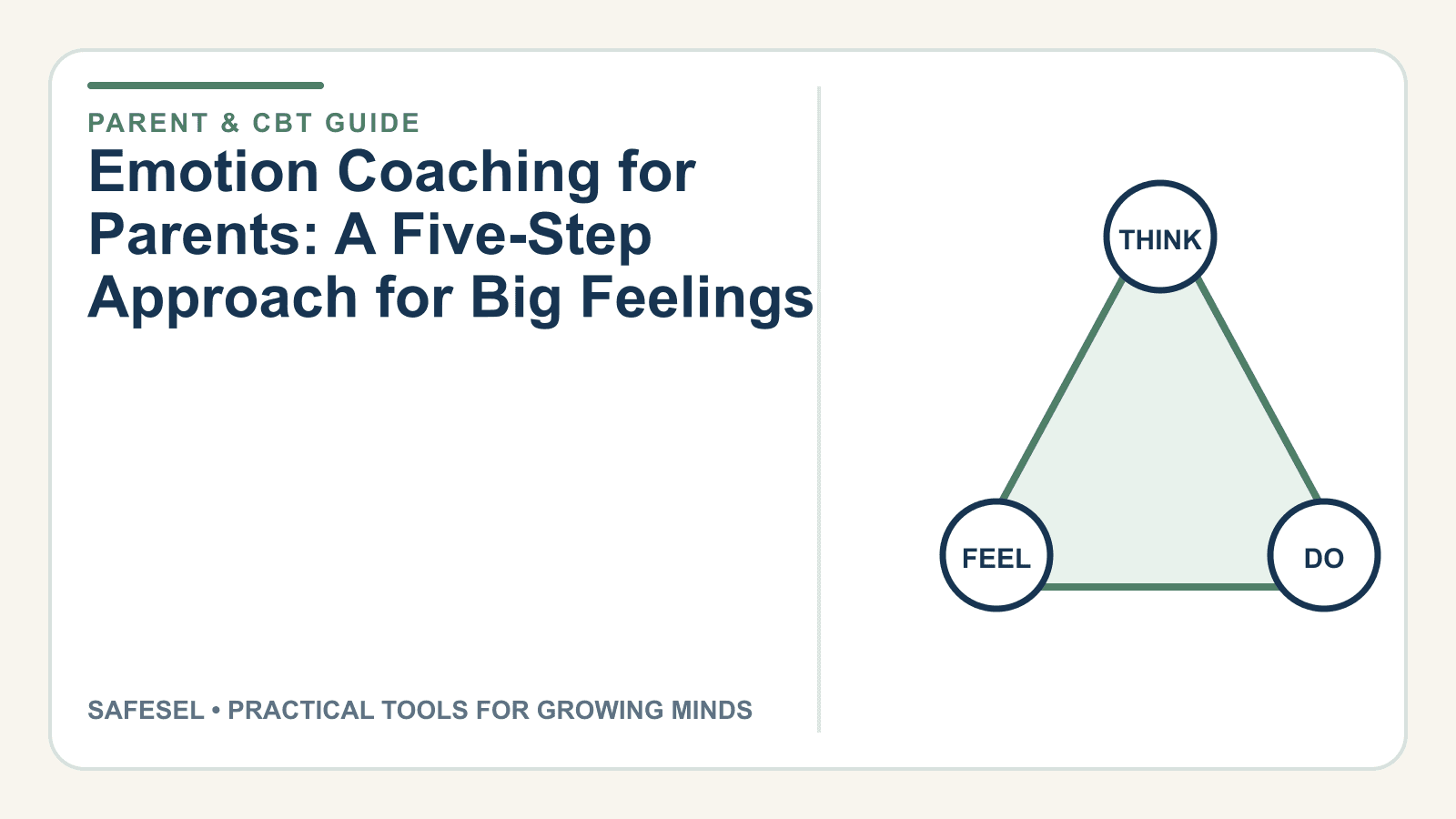
Emotion Coaching for Ages 10–12: Privacy, Respect, and Collaborative Problem-Solving
A practical, evidence-informed guide to emotion coaching for ages 10–12, with concrete examples, accessible next steps, and clear limits on what the guidance can establish.
How to Break Down a Long School Assignment Without Taking It Over
Help a child plan a long school assignment with clear chunks, realistic review points and appropriate support while leaving the thinking and work with them.
Emotion Coaching for Ages 7–9: Curiosity, Skills, and Clear Limits
A practical, evidence-informed guide to emotion coaching for ages 7–9, with concrete examples, accessible next steps, and clear limits on what the guidance can establish.
Helping Children Build Time Awareness Without Constant Reminders
A practical, evidence-informed guide to helping children build time awareness without constant reminders, with concrete examples, accessible next steps, and clear limits on what the guidance can establish.
Emotion Coaching for Ages 4–6: Short Words, Play, and Repetition
A practical, evidence-informed guide to emotion coaching for ages 4–6, with concrete examples, accessible next steps, and clear limits on what the guidance can establish.
Why Unstructured Time Can Lead to Dysregulation
Make recess, waiting and free-choice time more accessible with visible options, predictable boundaries and adult help without removing every choice.