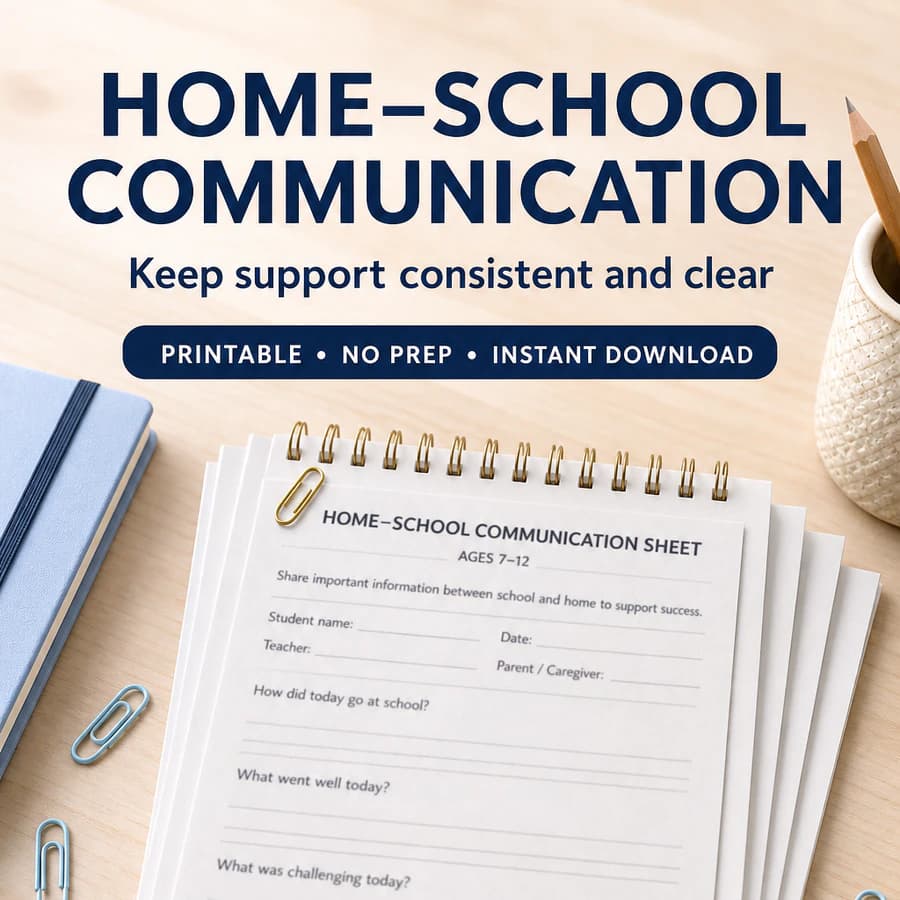
Worksheets
Home-School Communication Sheet for Ages 7-12 (Printable PDF)
Ages 7–12PNG
Home-School Communication Sheet for Ages 7-12 (Printable PDF): a print-ready worksheet for ages 7–12 with clear prompts for guided practice.
Explore printable communication activities for asking for help, assertive language, listening, conversation practice and respectful self-advocacy.
Home-School Communication Sheet for Ages 7-12 (Printable PDF): a print-ready worksheet for ages 7–12 with clear prompts for guided practice.
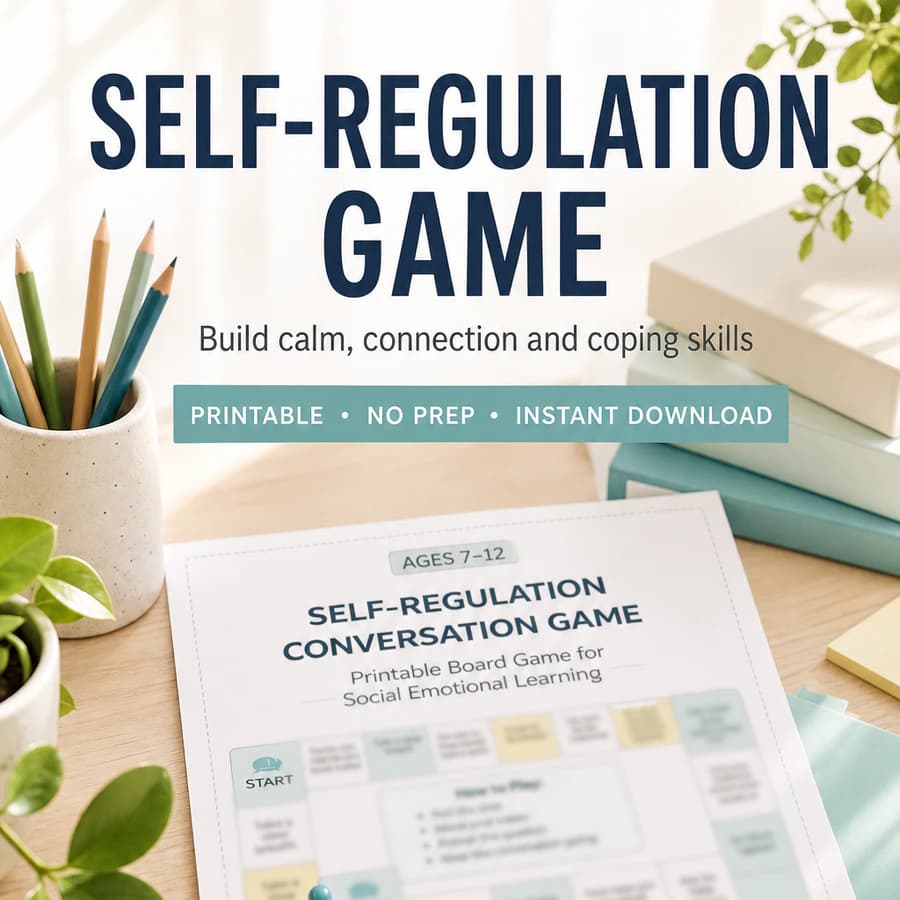
Self-Regulation Conversation Game for Kids Ages 7–12: a print-ready activity for ages 7–12 with clear prompts for guided practice.
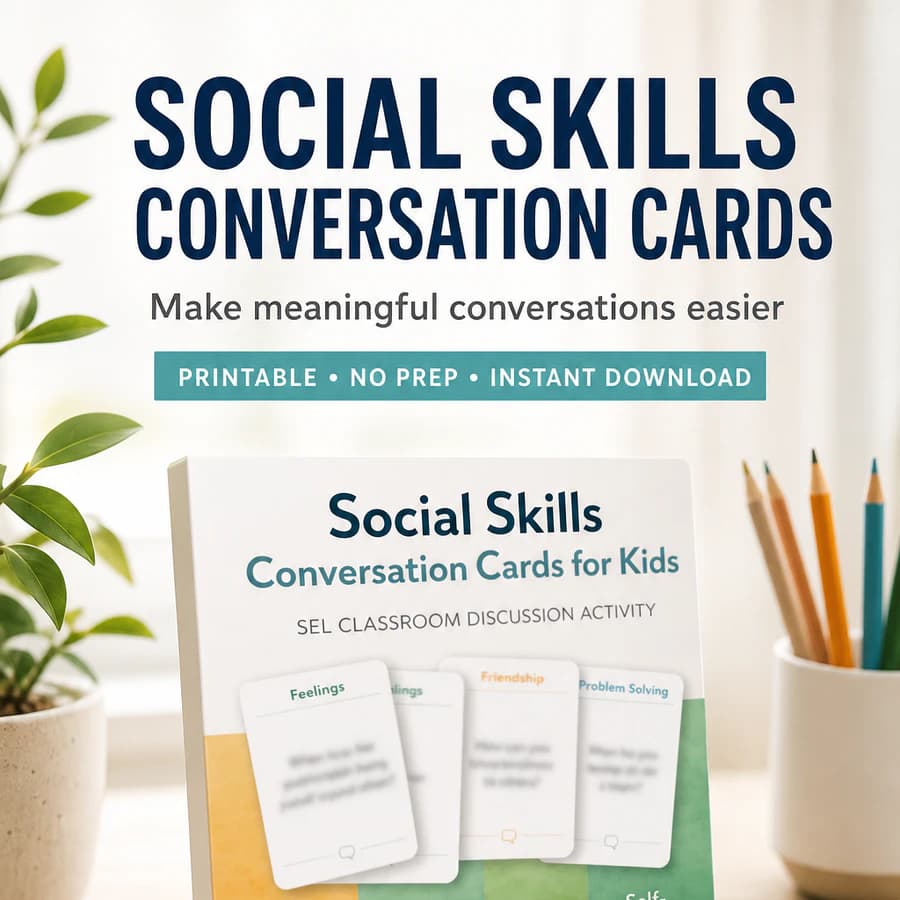
Children explore social cues, communication choices and practical steps for resolving or repairing peer difficulties.
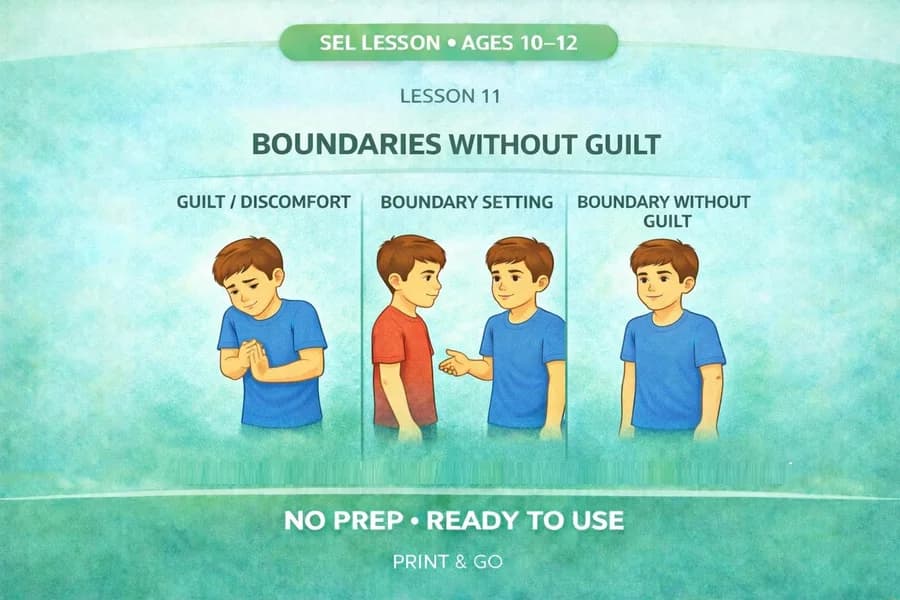
This SEL lesson helps children ages 10–12 understand personal boundaries, recognize respectful behavior and practice clear, safe communication.
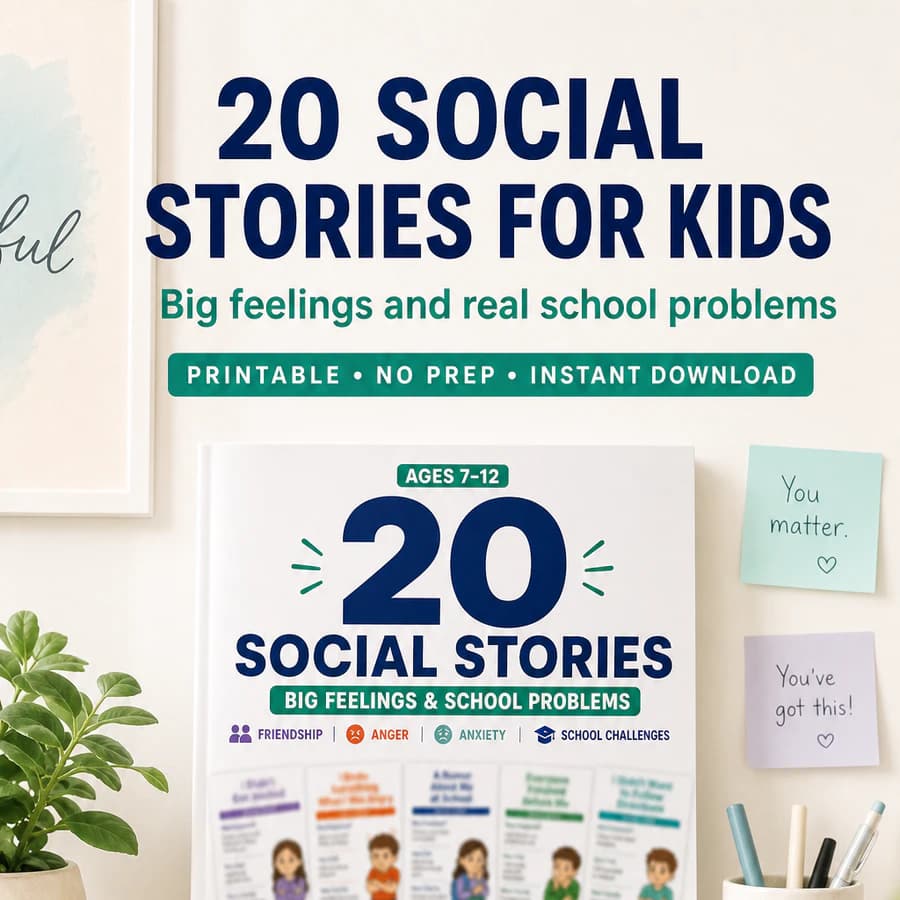
This collection includes 20 printable social stories about everyday school, friendship, coping and problem-solving situations for children ages 7–12.
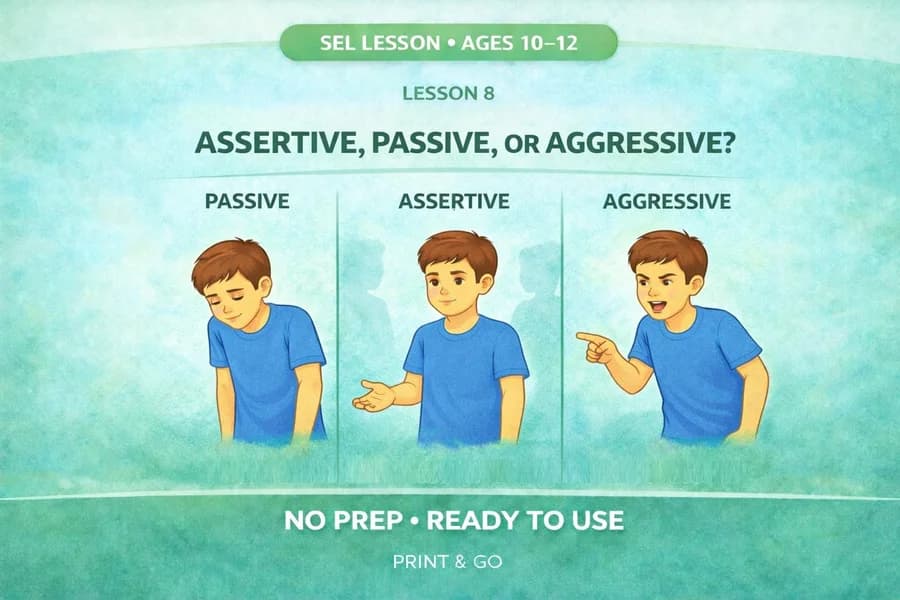
A ready-to-use printable lesson for ages 10–12 focused on friendship, communication and conflict repair. Includes PDF files for print-and-use access.
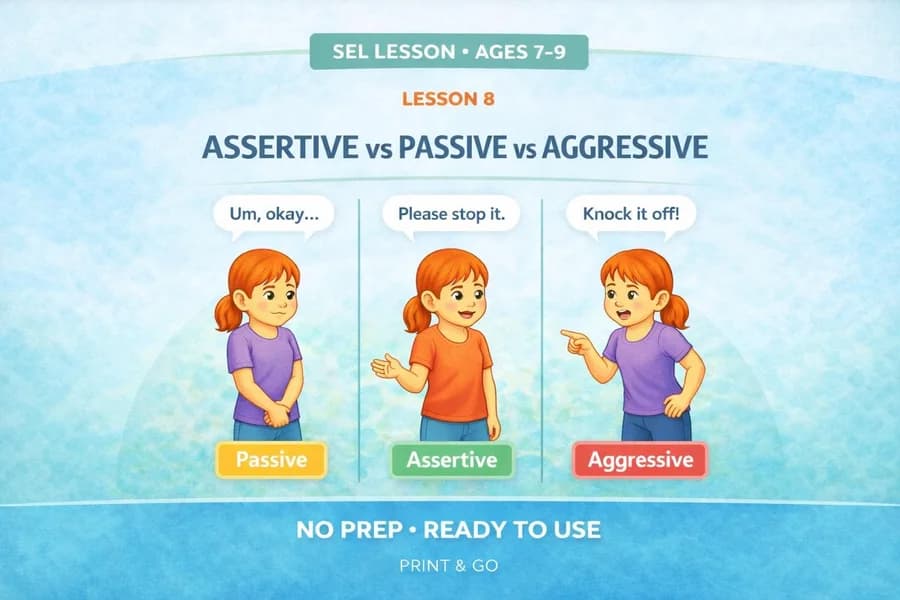
Assertive Communication Lesson for Kids: a print-ready lesson for ages 7–9 with clear prompts for guided practice.
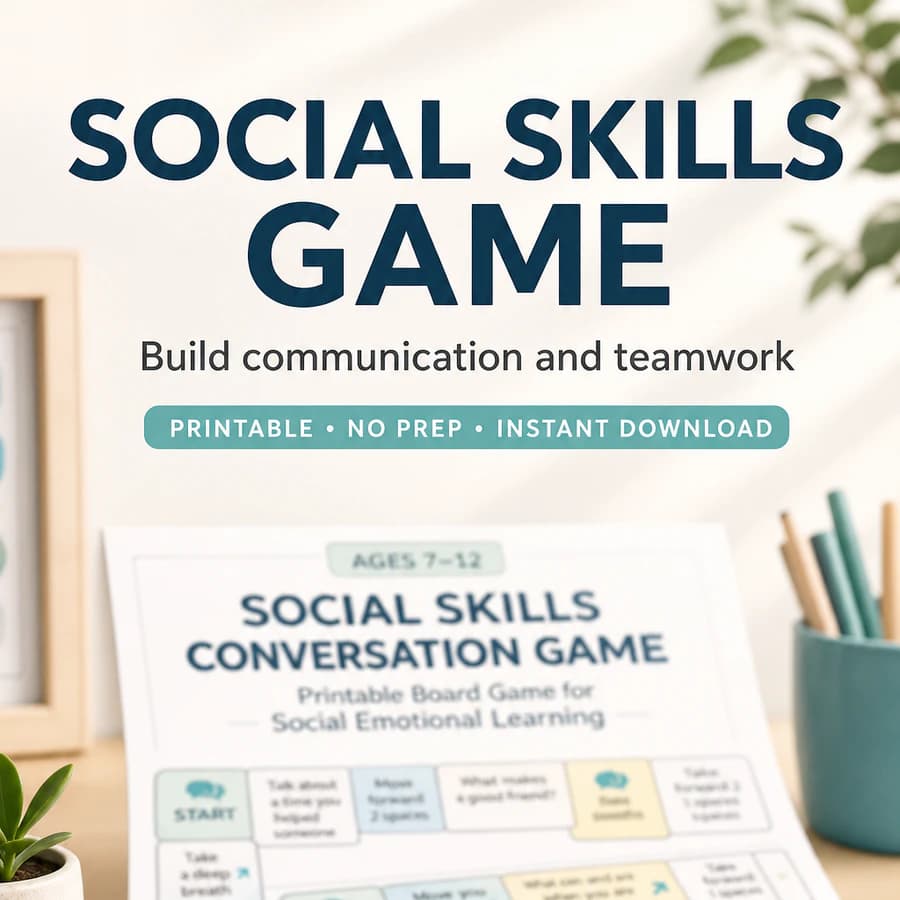
This printable conversation game helps children practice listening, communication, problem solving and respectful responses through guided discussion prompts.
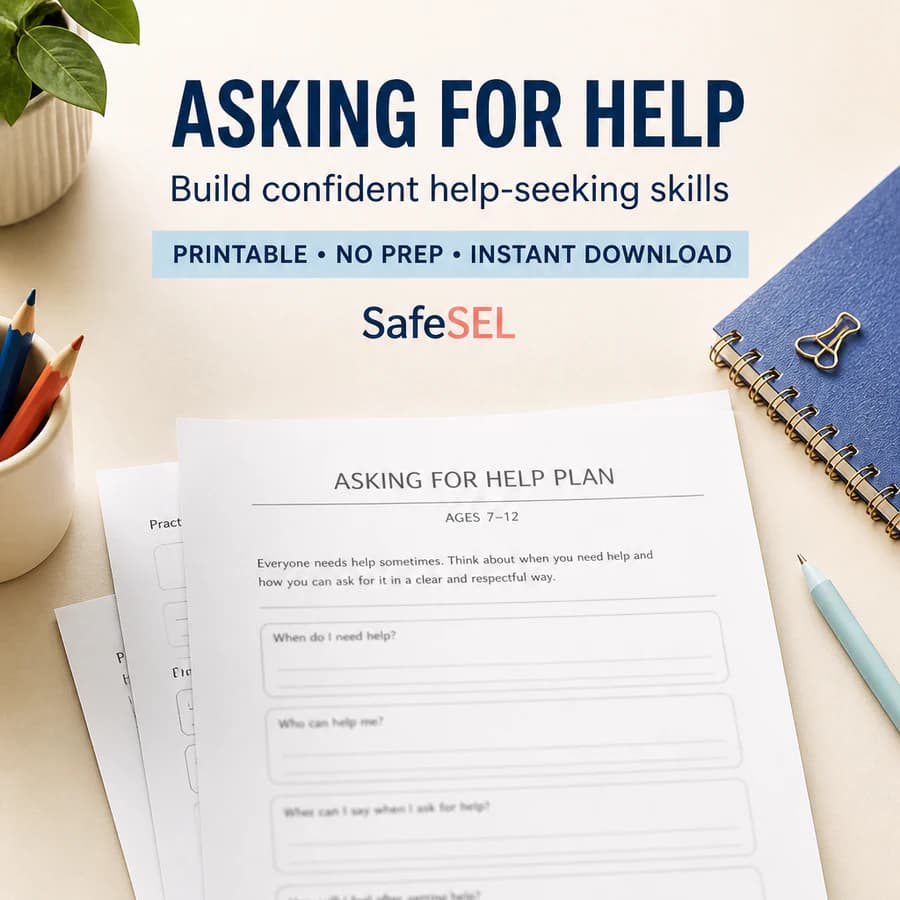
Asking for Help Worksheet for Kids: a print-ready worksheet for ages 7–12 with clear prompts for guided practice.
Practise noticing when support is needed, choosing a safe person and using clear words to ask.
Open the free resource →Reflect on listening, inclusion, kindness and repair without requiring personal disclosure.
Open the free resource →Teach communication from observable cues instead of expecting children to guess another person’s thoughts.
Read the guide →Practise clear, respectful communication around consent, distance, needs and limits.
Read the guide →Use the difference between settings as information and reduce unnecessary social-performance demands.
Read the guide →“Communicate better” is too broad to teach. Choose one observable task such as asking for help, saying no respectfully, joining a conversation or explaining a need. Model two or three acceptable versions so the activity teaches a flexible skill rather than one required script.
Try the free asking-for-help plan →A child can communicate clearly without maintaining eye contact, speaking loudly or sounding perfectly calm. Focus on whether the message is understandable, respectful and safe. Adapt the activity for speech, writing, pointing or supported communication when needed.
Read about boundaries and communication →Use the narrower collection to teach when support is needed, who can help and accessible ways to ask.
Browse asking-for-help activities →Use one concrete situation at a time: asking for help, stating a need, joining a conversation, setting a boundary or responding to a disagreement. Model more than one acceptable response and practise when the child is regulated rather than grading social performance.
The collection focuses on observable skills such as asking for help, expressing needs, using assertive language, listening, taking conversational turns and repairing misunderstandings.
No. Communication can be effective in different ways. The goal is clear, respectful exchange, not enforcing one style of eye contact, tone or body language.
Yes. Use fictional or low-pressure examples so children can practise choices without being required to disclose a real conflict in front of peers.
Filter by resource type and age group to find the most useful printable.