Explore coping skills for kids with practical strategies, printable worksheets, cards and activities for stress, big feelings and school challenges.
What coping skills are for
Coping skills are actions that help a child move through stress, strong emotion or a difficult situation with greater safety and flexibility. They are not tricks for making every uncomfortable feeling disappear. A useful skill helps with the next step.
Build a coping skills menu around actual moments
A coping skills menu can include asking for help, taking a supported pause, moving to a less distracting space or using a familiar calming activity. Choose options with the child and check that they are available where the difficulty happens. Printable coping skills cards are reminders, not instructions that every child must follow.
During coping skills lessons, try one fictional situation before asking about a personal experience: “The game changed and you feel frustrated. Which option could you ask for?” Accept pointing or another accessible response. Review whether the option helped the child communicate or participate, not whether the child looked quiet.
Build a varied coping menu
Children benefit from options across several categories: movement, sensory support, breathing, connection, communication, practical problem solving and brief changes to the environment. A strategy that helps with restless energy may not help with sadness or a conflict that needs repair.
Practise before the crisis
Introduce one strategy at a time when the child is able to learn. Explain what it may help with, model it and practise in a low-pressure situation. During distress, use fewer words and offer familiar options rather than presenting a long new list.
Check whether the strategy actually helps
Review what changed after the skill: intensity, safety, communication, ability to remain present or readiness to return. A child does not need to look perfectly calm for a strategy to be useful. Compare several similar situations and note the adult support involved.
Avoid turning coping into compliance
Do not require a child to use a preferred adult strategy or punish them when it does not work. Check sensory and communication access, the actual demand and whether the situation needs protection, accommodation, problem solving or relationship repair.
Printable coping tools
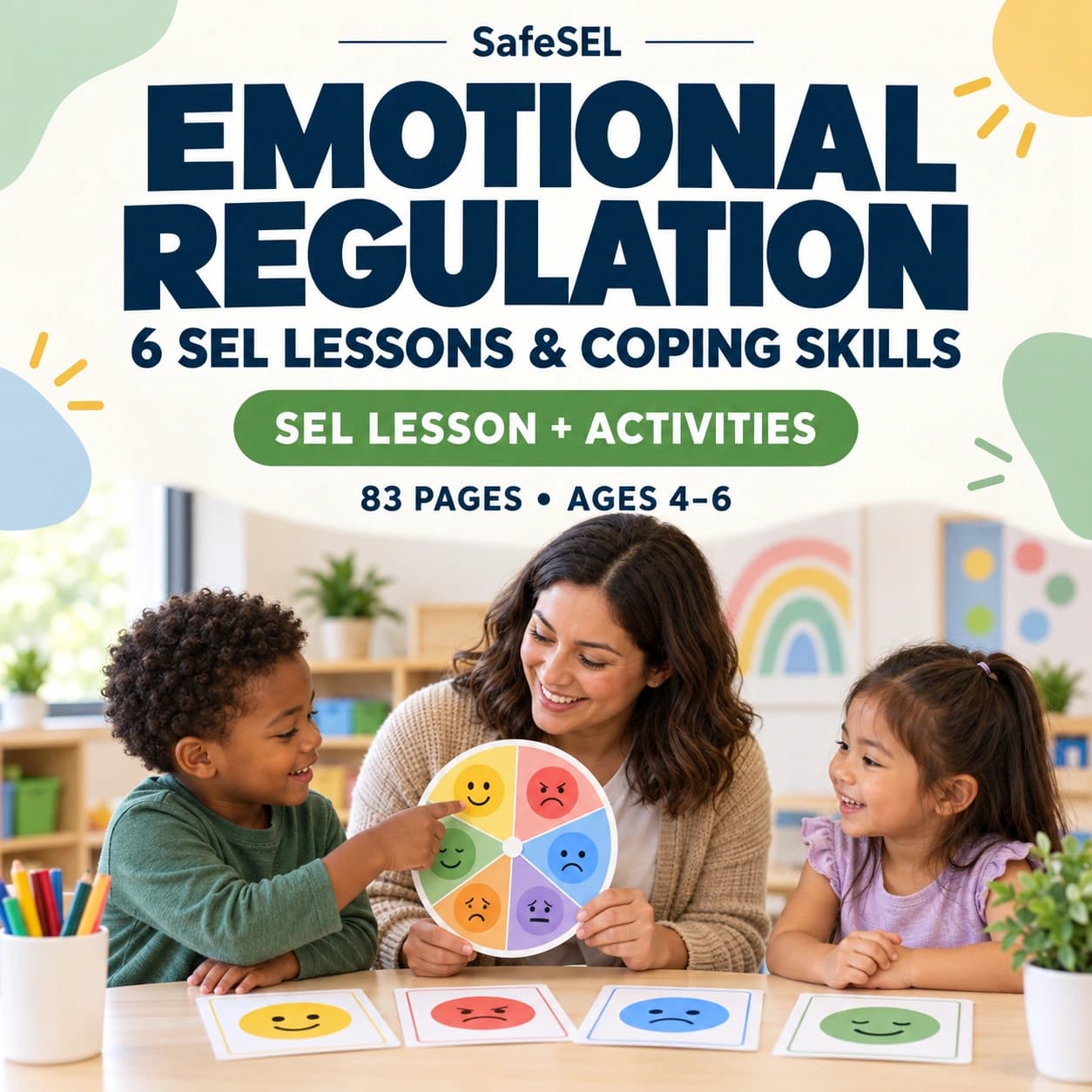
Cards, trackers and worksheets can help children remember options and reflect on patterns. Keep the menu short enough to use, let the child identify preferences and place visual supports where the skill is likely to be needed.
Related guide: Self-Regulation in Children
Related guide: Emotional Regulation for Kids
Related guide: CBT-Informed Support for Anger and Frustration in Children