Article archive: page 25
More practical, evidence-informed guidance for the real emotional and social situations children face.
What to Do When a Child Interrupts Every Conversation
Practical guidance for responding when a child interrupts every conversation, including what to observe, what adults can say, and how to adjust support without adding shame.
What to Do When a Child Keeps Losing Friends After Conflict
Practical guidance for responding when a child keeps losing friends after conflict, including what to observe, what adults can say, and how to adjust support without adding shame.
Why Does My Child Laugh When They Are Upset or in Trouble?
An evidence-informed guide to understanding why does my child laugh when they are upset or in trouble?, checking alternative explanations, and choosing a safe response based on what is observed.
What to Do When a Child Quits as Soon as Work Feels Hard
Practical guidance for responding when a child quits as soon as work feels hard, including what to observe, what adults can say, and how to adjust support without adding shame.
How to Respond When a Child Refuses to Talk About Their Day
A practical guide to responding when a child refuses to talk about their day, with realistic steps, language adults can use, and ways to judge whether the plan is helping.
What to Do When a Child Rejects Every Calming Strategy
Practical guidance for responding when a child rejects every calming strategy, including what to observe, what adults can say, and how to adjust support without adding shame.
How to Help a Child Who Replays Social Mistakes at Bedtime
A practical guide to helping a child who replays social mistakes at bedtime, with realistic steps, language adults can use, and ways to judge whether the plan is helping.
How to Respond When a Child Says ‘I Can’t Stop Worrying’
A practical guide to responding when a child says ‘i can’t stop worrying’, with realistic steps, language adults can use, and ways to judge whether the plan is helping.
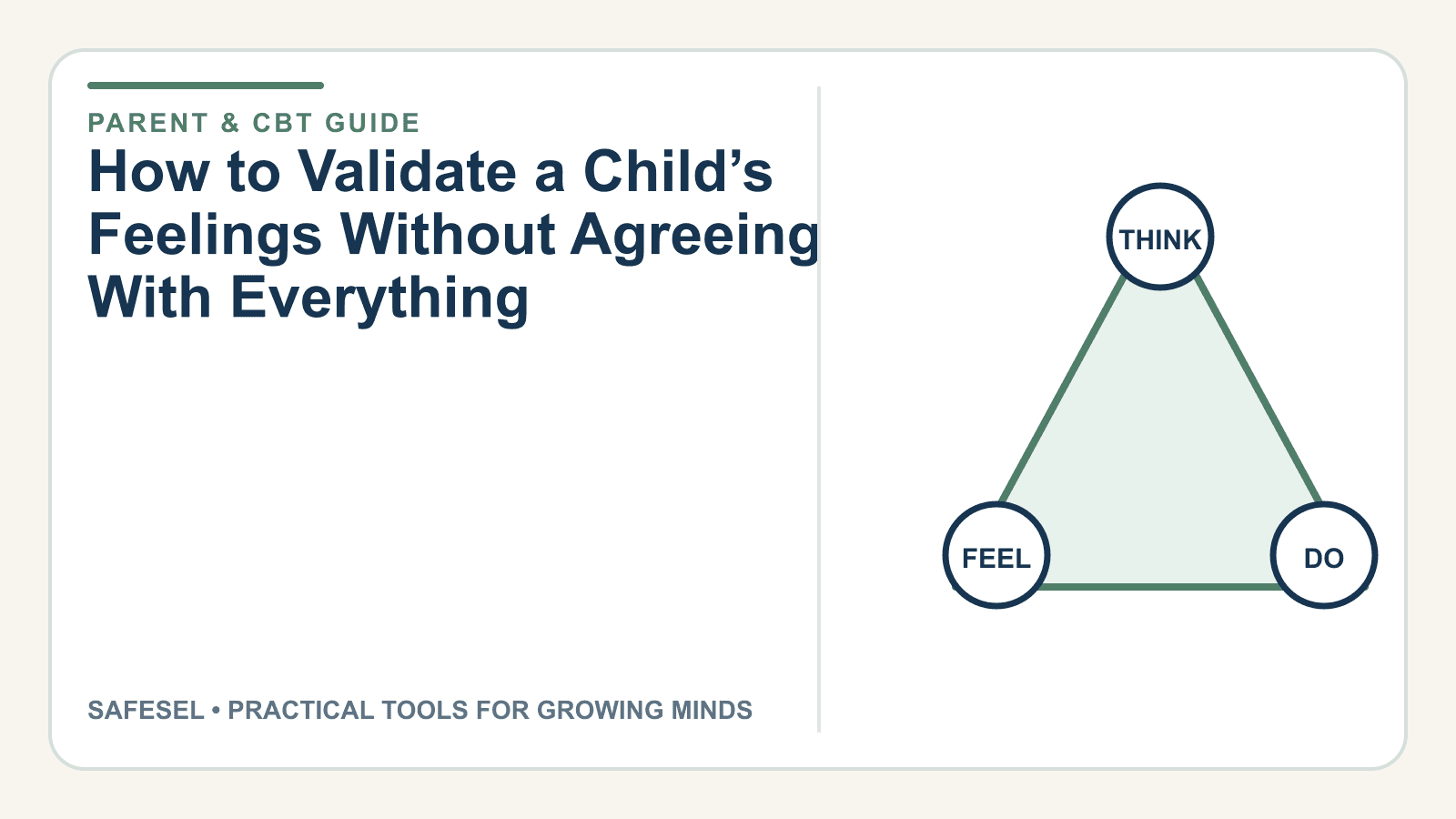
What to Say When a Child Says ‘You Don’t Love Me’ After a Limit
A practical, evidence-informed guide to what to say when a child says ‘you don’t love me’ after a limit, with concrete examples, accessible next steps, and clear limits on what the guidance can establish.
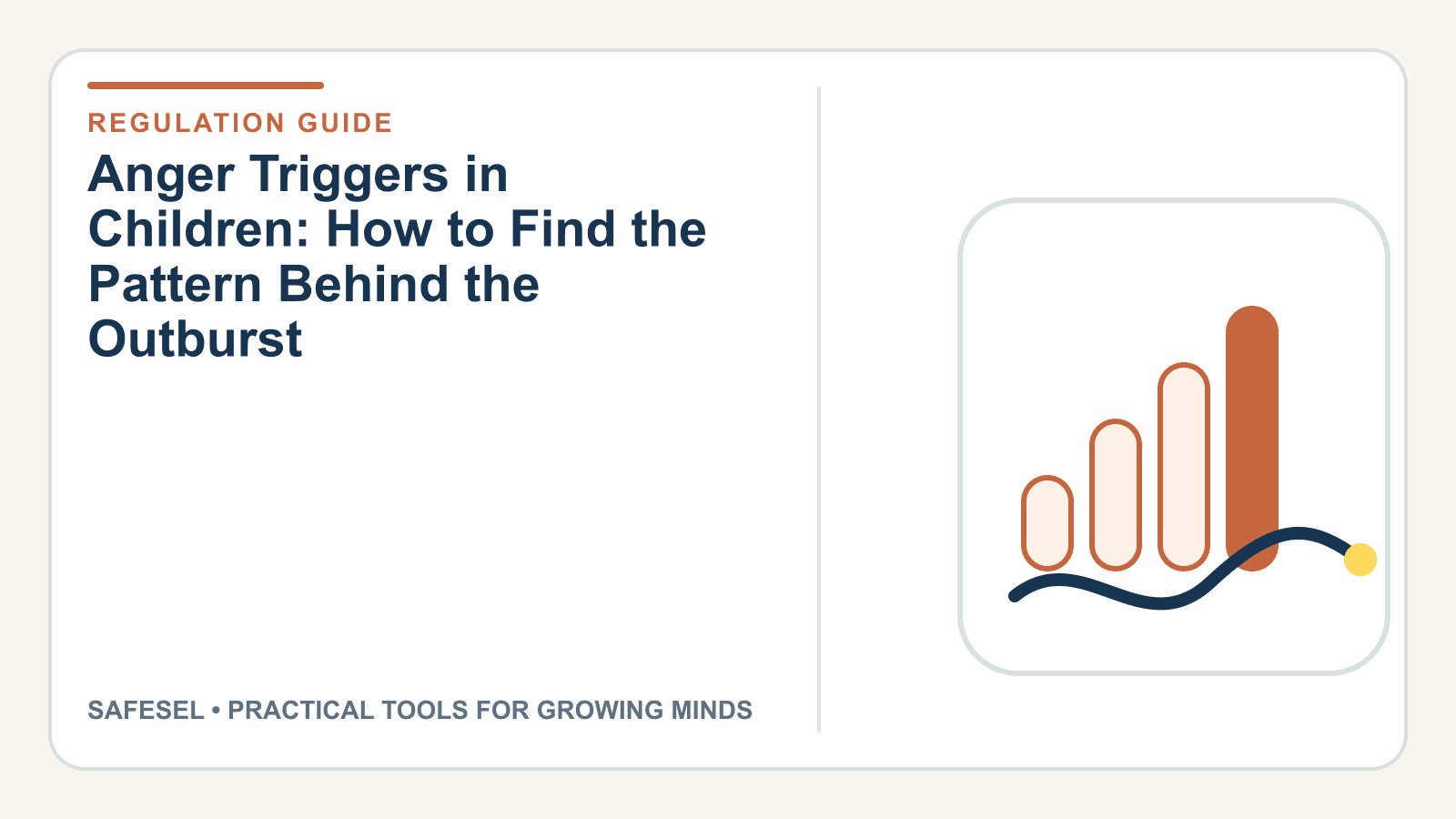
How to Respond When a Child Throws or Breaks Things in Anger
A practical guide to responding when a child throws or breaks things in anger, with realistic steps, language adults can use, and ways to judge whether the plan is helping.
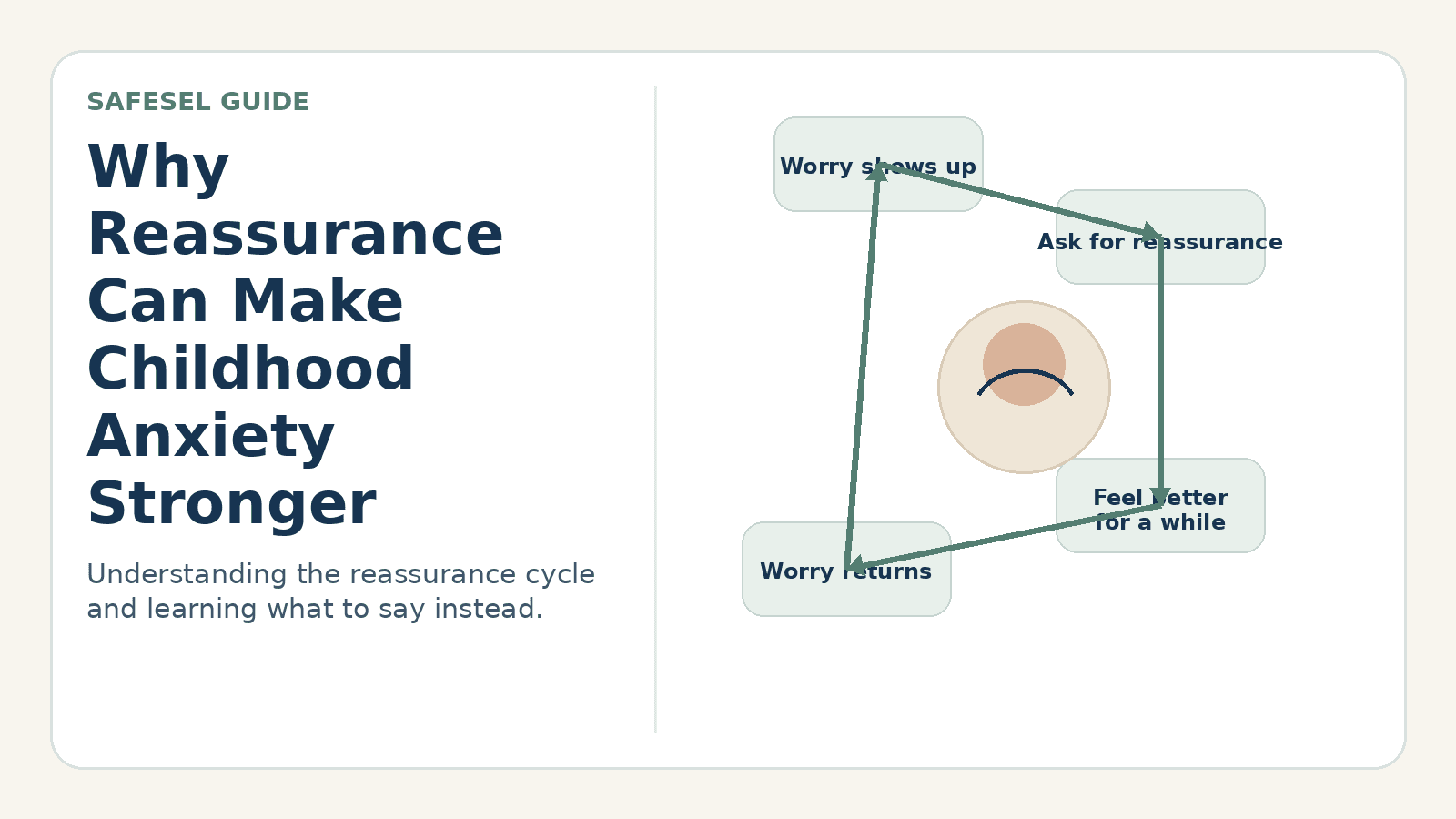
What to Do When a Child Worries About Bad News
Practical guidance for responding when a child worries about bad news, including what to observe, what adults can say, and how to adjust support without adding shame.
How to Help a Child With Worry About Being Away From a Parent
A practical guide to helping a child with worry about being away from a parent, with realistic steps, language adults can use, and ways to judge whether the plan is helping.