Games & Activities
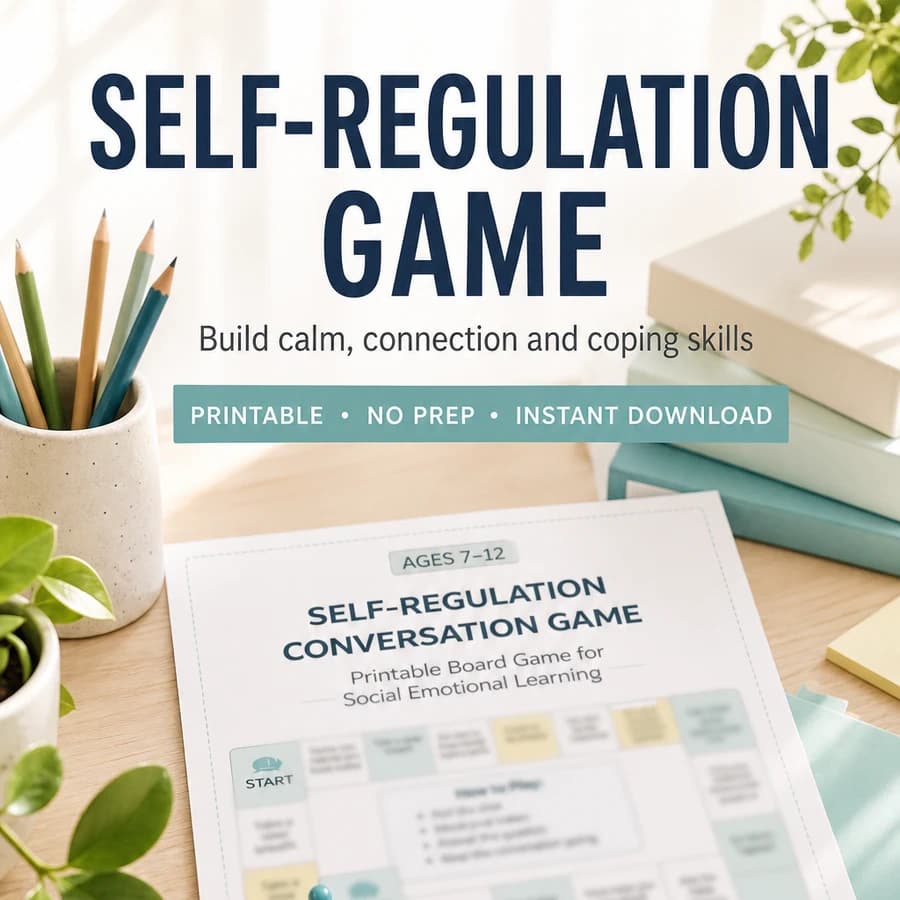
Self-Regulation Conversation Game for Kids Ages 7–12 – SEL Printable Board Game
Ages 7–12PNG
Self-Regulation Conversation Game for Kids Ages 7–12: a print-ready activity for ages 7–12 with clear prompts for guided practice.
Discover printable SEL games that build emotional awareness, communication, coping, friendship and problem-solving skills.
Self-Regulation Conversation Game for Kids Ages 7–12: a print-ready activity for ages 7–12 with clear prompts for guided practice.
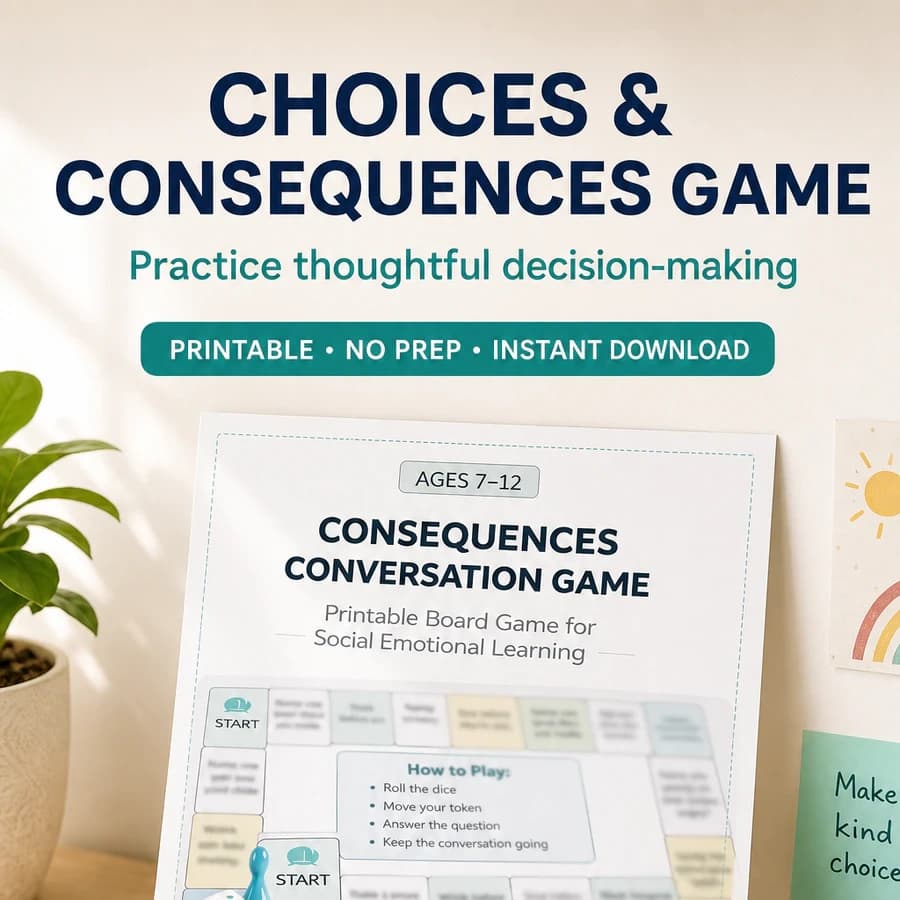
This printable board game helps children connect choices with likely outcomes and practice safer, more thoughtful decision making through discussion.
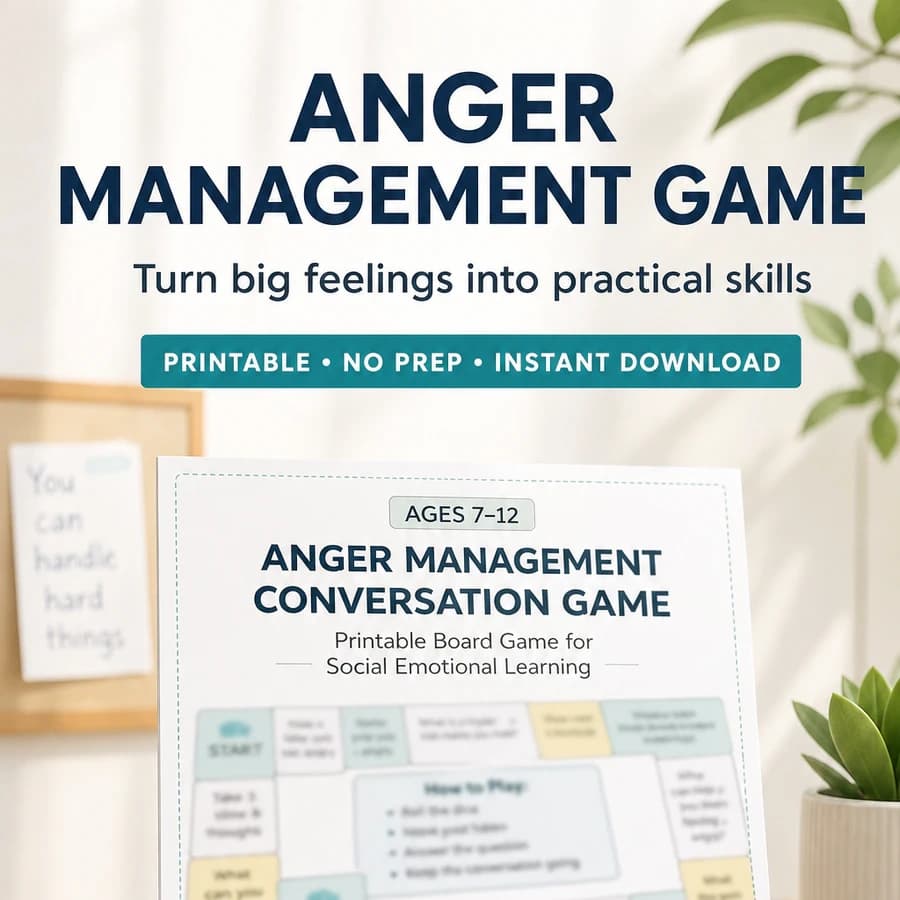
This printable board game uses conversation prompts and simple actions to help children discuss anger triggers, body signals, calming choices and repair.
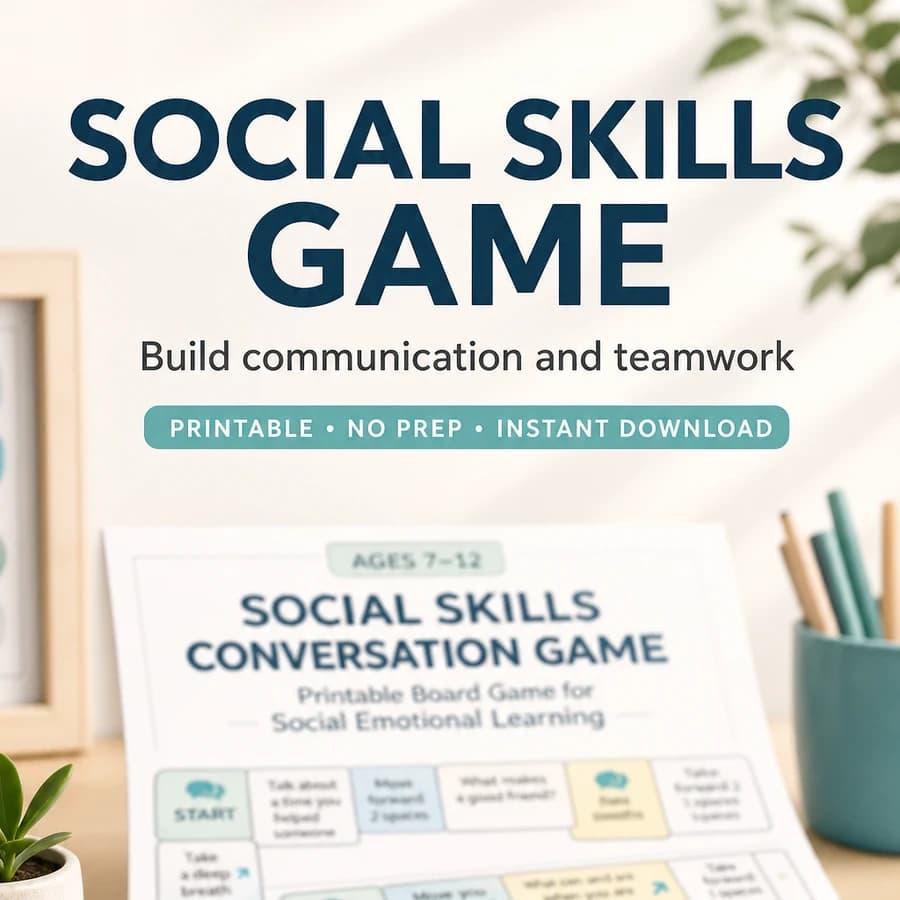
This printable conversation game helps children practice listening, communication, problem solving and respectful responses through guided discussion prompts.
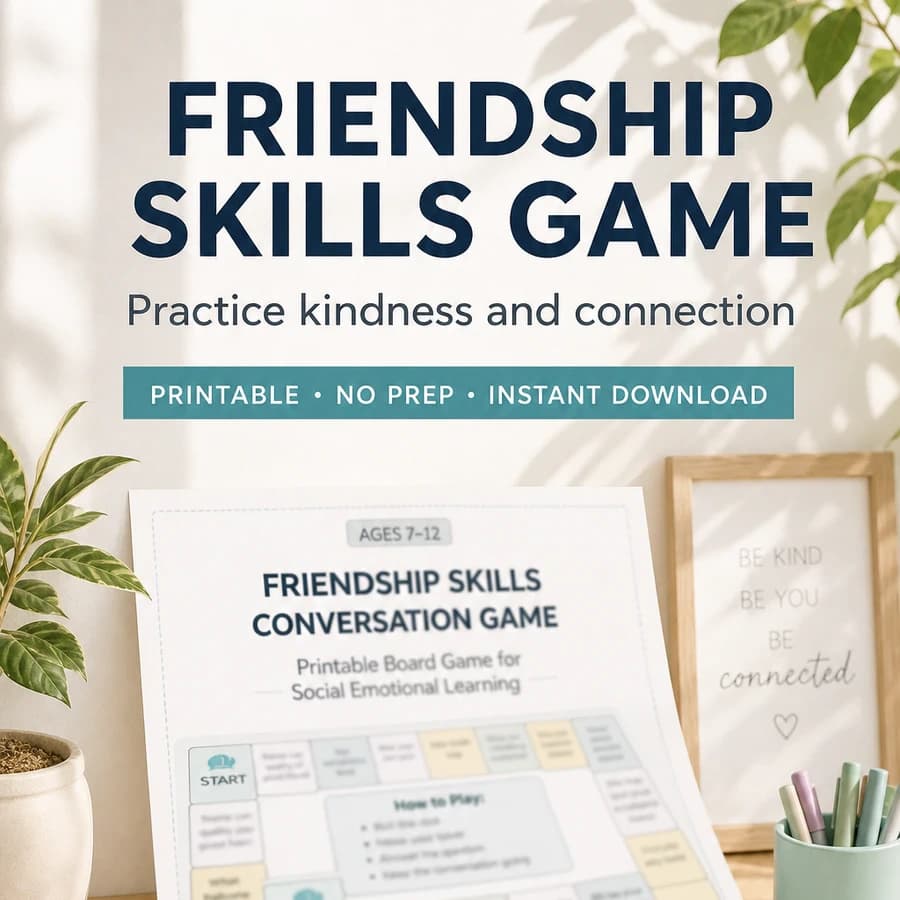
Friendship Skills Conversation Game for Kids Ages 7–12: a print-ready activity for ages 7–12 with clear prompts for guided practice.
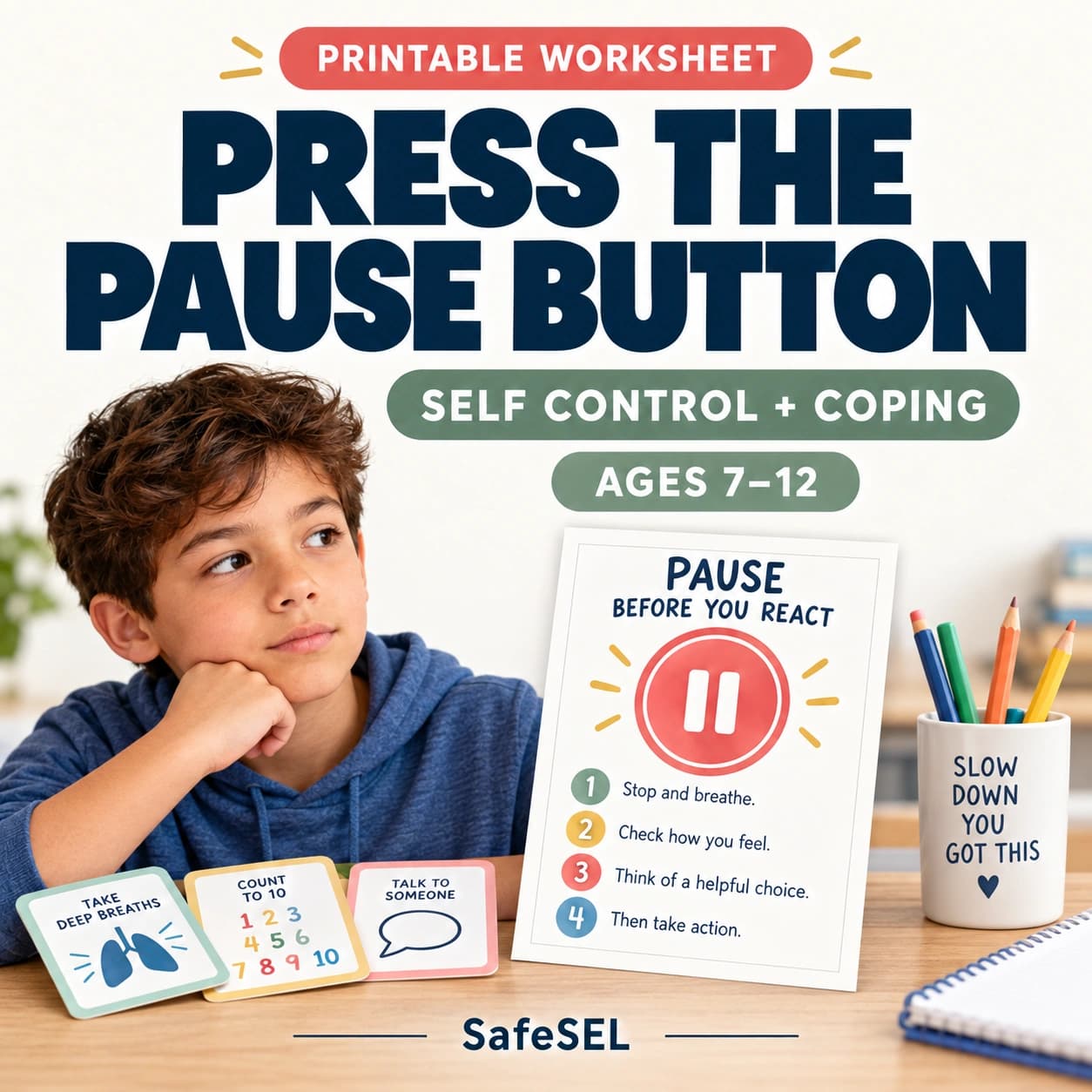
Self Control Worksheet for Kids: a print-ready worksheet for ages 7–12 with clear prompts for guided practice.
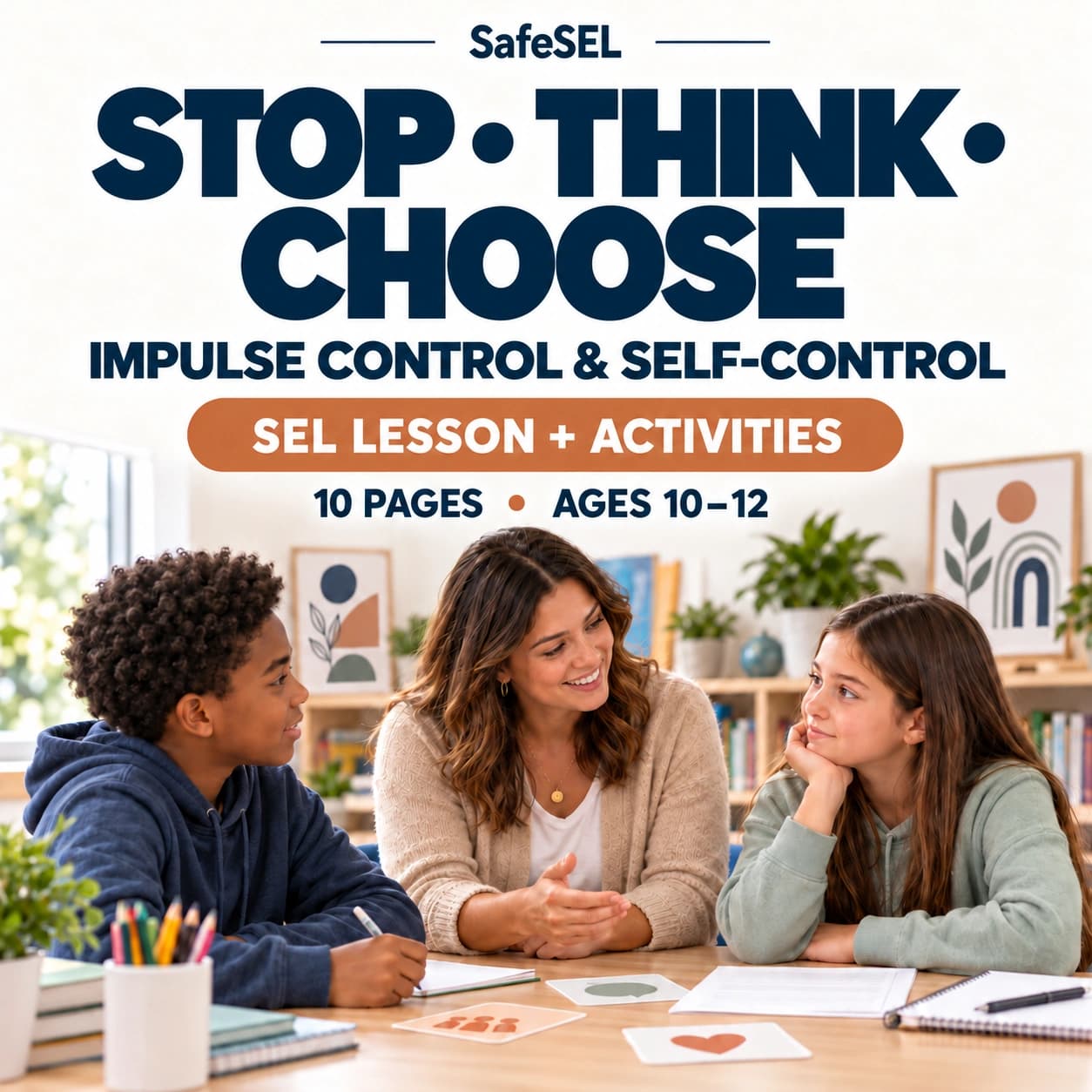
This ready-to-use SEL lesson for ages 10–12 focuses on stop think choose through concrete prompts and realistic practice.
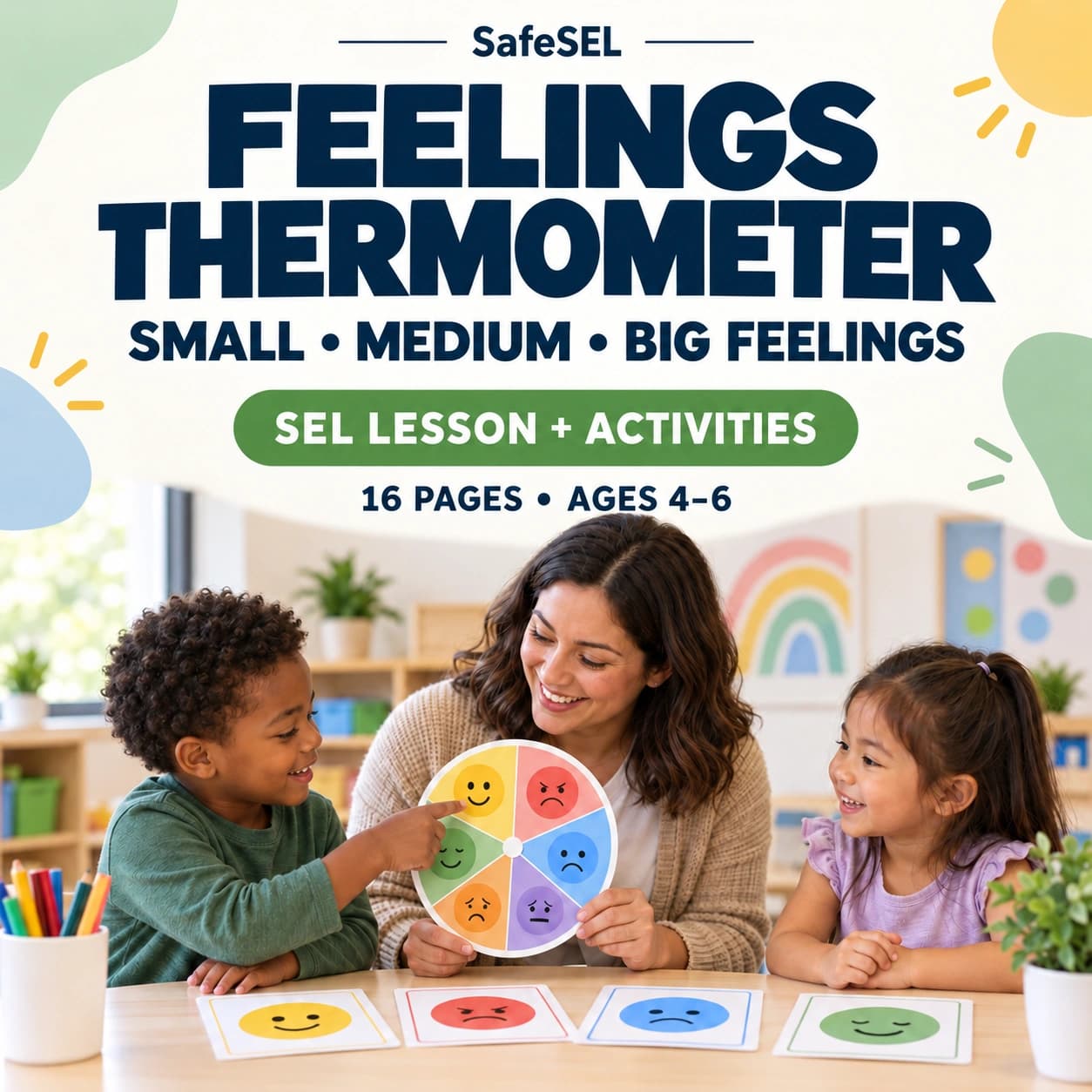
A structured, no-prep SEL lesson for ages 4–6 about big & small feelings, with guided teaching and printable student activities.
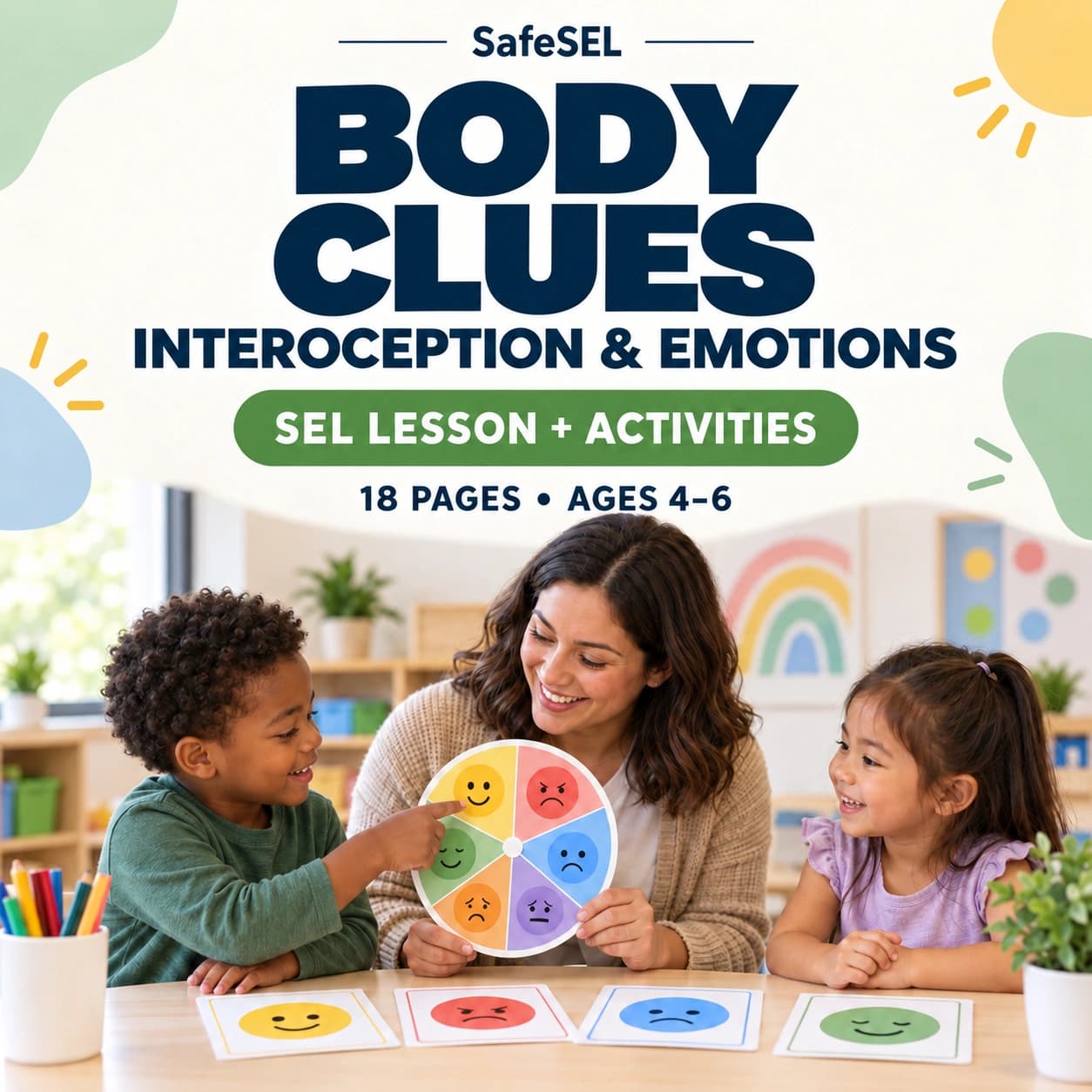
A structured, no-prep SEL lesson for ages 4–6 about body clues, with guided teaching and printable student activities.
Social emotional learning games can give a group a shared prompt instead of asking each child for a personal example. Compare printable games for elementary students by their purpose and setup. Games for anger management invite a different conversation from a problem-solving activity. When selecting printable therapy games, check the questions against your group’s needs; a classroom game does not become a clinical intervention merely because it is used in a therapy room.
Look at the rules and previews for pieces to cut, space needed, reading level and how turns work. “Printable” means a digital download, not a physical board game sent by post. For a counseling group, review whether the questions fit the group’s purpose; a classroom game does not become a clinical intervention merely because it is used in a therapy room.
Printable board games are useful when the turns create opportunities to talk, listen and compare choices. Read the instructions before selecting games and activities for a group: check setup, reading demands and how a child can pass on a personal question. For a short session, choose one discussion focus rather than trying to complete every card. A finished game is not a test of social competence.
Use these sel games resources to teach one clear skill at a time, practise it with realistic examples and return to it when the child is calm enough to learn.
The collection includes child-friendly resources for elementary ages. Check each product for its exact age range and suggested setting.
Yes. SafeSEL digital resources are designed so you can select the relevant pages for the current skill, child or group.
Filter by resource type and age group to find the most useful printable.