An anxiety workshop for parents should help caregivers understand the session's purpose before asking them to practise anything. A group can explore communication and prepare questions for further support. It cannot determine why a particular child is anxious or provide a personalized treatment plan through a general slide presentation.
The Helping Children with Anxiety kit is a digital facilitator resource. Its purchaser prepares and leads the workshop. Keep that distinction clear in the invitation so a family does not mistake the purchase for clinical appointments or direct access to a practitioner.
Set a learning goal you can check
Choose a task such as identifying what is known in a fictional situation and writing one useful question. Avoid promising to eliminate anxiety or make every child attend an activity. A modest goal makes it easier to select slides, manage questions and assess whether your explanation was understandable.
The NHS guidance on anxiety in children encourages listening and talking with children. It also identifies severe, persistent anxiety or anxiety affecting everyday life as reasons to seek help. Present general information with a clear route to individual support, not as a substitute for that support.
Use a fictional new-activity example
Describe a child who is worried about attending an unfamiliar activity. Give only a few facts: the place is new, the adult knows the start time and the child has asked who will be there. Ask participants to separate facts from assumptions before suggesting a response.
The group might notice that the adult knows the schedule but does not yet know how the room is arranged. That creates a practical question to investigate. It does not establish a diagnosis or prove that uncertainty is the only reason for the child's worry.
Compare two adult responses
One response promises that nothing upsetting will happen. Another acknowledges the question and identifies what the adult can find out. Ask participants which statements are supported by available information and what each response asks the child to do.
Invite participants to rewrite the second response in their own words. They can write privately or discuss the fictional example in a pair. Do not ask the group to design exposure exercises for a real child, force participation in a feared activity or ignore a possible safety concern. Those decisions need an appropriate individual context and professional guidance where relevant.
Build a worksheet around observations
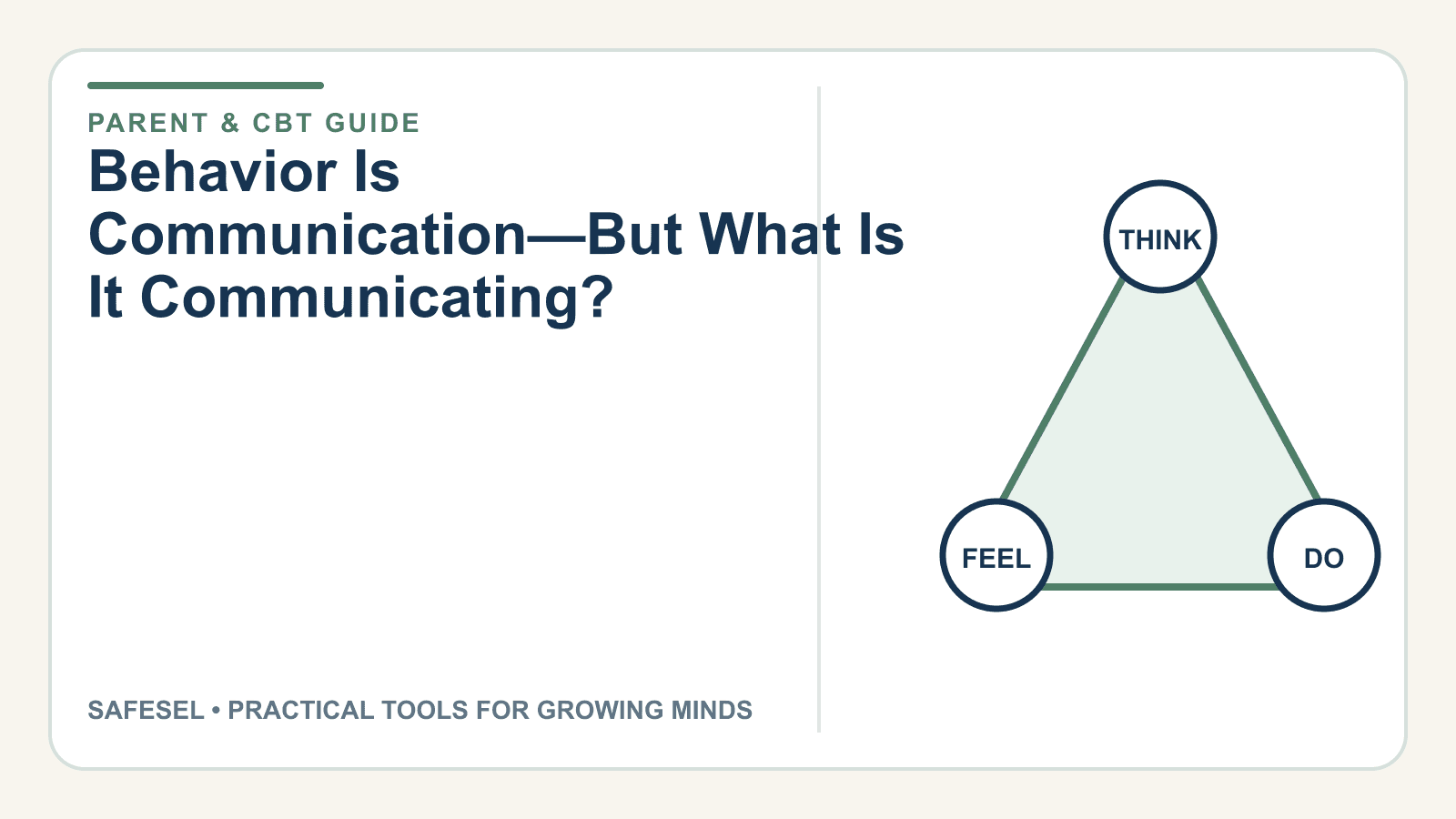
A simple activity page can have three prompts: what we noticed, what we need to ask and what support may be available. Explain that an observation is different from a conclusion. “The child asked who will be there” records an event; “the child cannot cope with groups” goes beyond what the example establishes.
Use the worksheet to prepare a conversation rather than score a child's anxiety. Keep writing optional and let participants use the fictional case throughout. A caregiver should not need to submit private details to complete an educational activity.
Prepare for individual questions
Before the meeting, identify who can respond to concerns in your setting and how families can contact them privately. Explain the facilitator's role at the beginning. If a question requires assessment, treatment or medication advice beyond that role, acknowledge it and direct the family appropriately.
Do not suggest that buying a kit is a necessary first step before seeking help. Families can contact relevant services directly. If a participant describes an immediate safety concern, use the local safeguarding or emergency procedure rather than delaying the response until the general questions section.
Match the materials to the session
Read the facilitator guide before choosing slides. Check that the activity instructions match the workbook page and that printed text is readable. Leave time to explain where the exercise ends and individual support begins. The kit's full eight-hour format is different from a short introductory evening; describe the event accurately.
Use the parent education workshop planning guide for logistics. If your series also addresses trauma-informed support, read the guide to keeping anxiety and trauma concepts distinct rather than treating the topics as interchangeable.
Check understanding without claiming treatment success
Ask whether participants can identify one useful question and know where to take personal concerns. Invite an optional next step, such as finding out practical information about the activity. Do not present attendance or a completed worksheet as evidence that anxiety has been treated.
Compare the parent workshop kits to choose the right educational focus. Keep the closing message specific: the group has practised a way to notice information and prepare a conversation, while individual decisions remain with the family and appropriate professionals.
Sources and further reading
- Anxiety in children — NHS