Article archive: page 18
More practical, evidence-informed guidance for the real emotional and social situations children face.
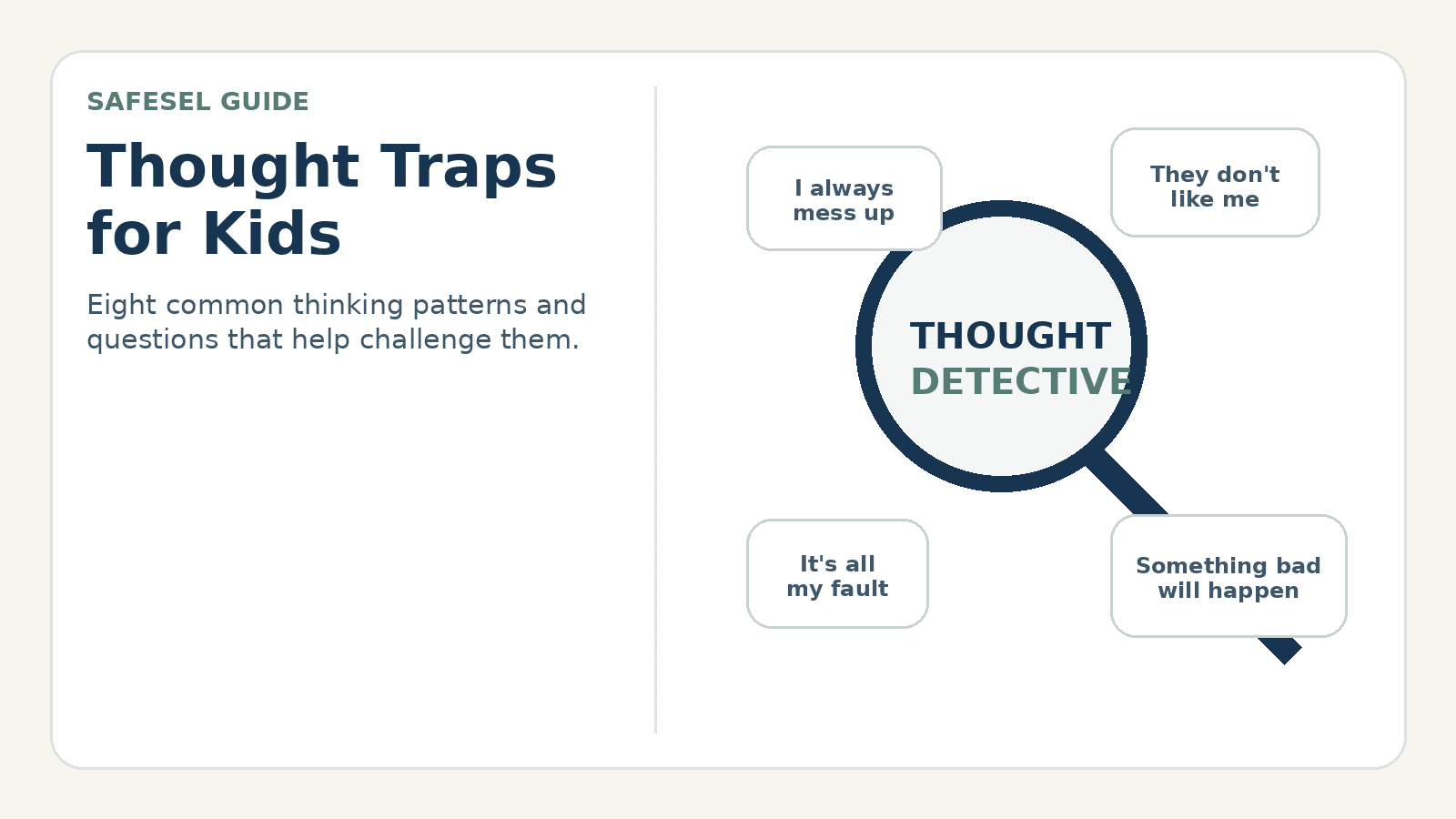
How to Teach the Difference Between a Thought and a Fact
A practical guide to teaching the difference between a thought and a fact, with realistic steps, language adults can use, and ways to judge whether the plan is helping.
When a Child Threatens to Quit After One Difficult Moment
Practical guidance for responding when a child threatens to quit after one difficult moment, with a clear first step, realistic adult language, and functional measures of progress.
A Close Friendship vs. a Controlling Friendship in Children
A practical, evidence-informed guide to a close friendship vs. a controlling friendship in children, with concrete examples, accessible next steps, and clear limits on what the guidance can establish.
When a Child Explodes Because a Sibling Touched Their Belongings
Practical guidance for responding when a child explodes because a sibling touched their belongings, with a clear first step, realistic adult language, and functional measures of progress.
Peer Conflict Mediation vs. Adult Investigation: Which Is Needed?
A practical, evidence-informed guide to peer conflict mediation vs. adult investigation, with concrete examples, accessible next steps, and clear limits on what the guidance can establish.
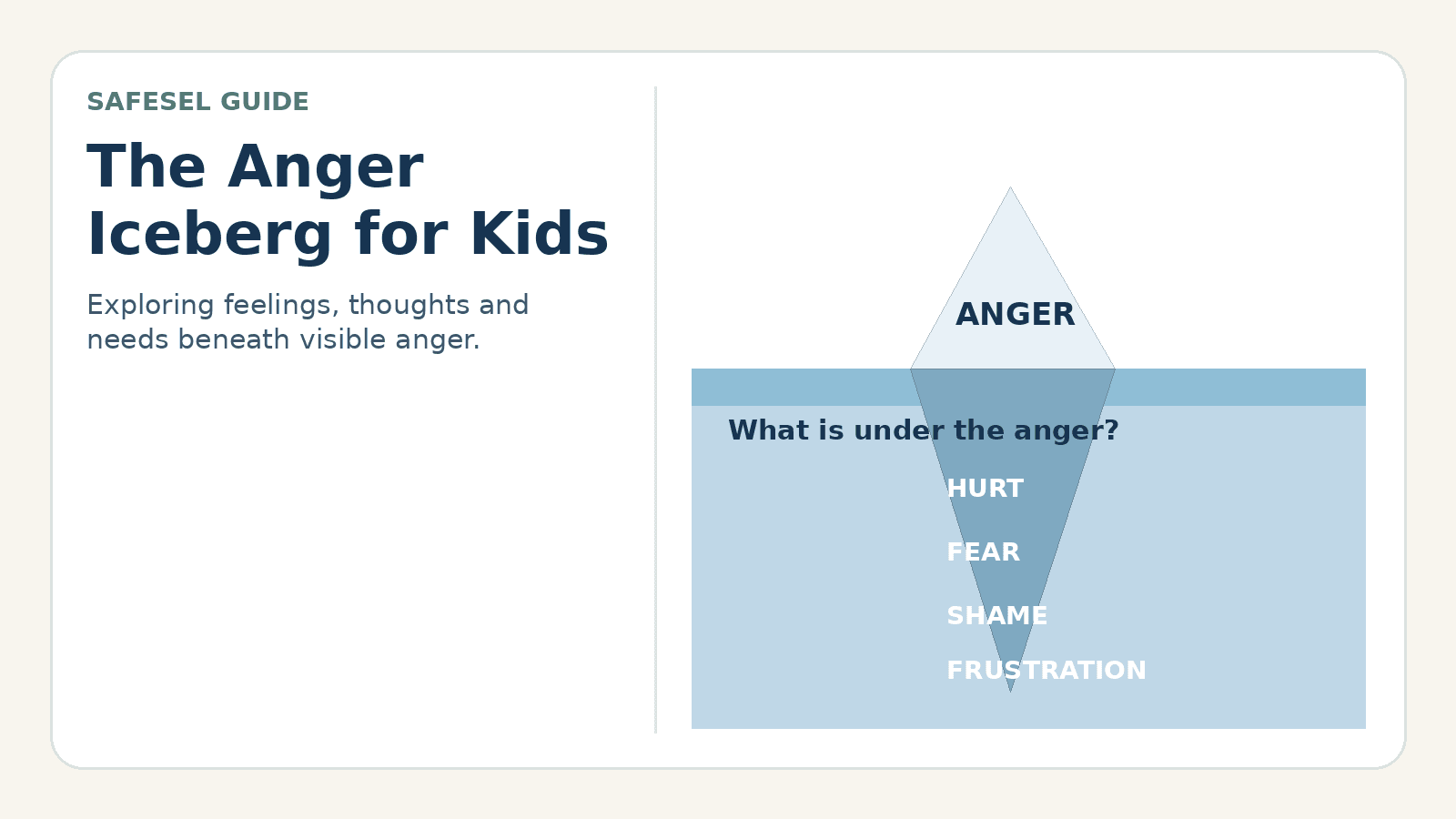
When Waiting Triggers Yelling, Pushing, or Leaving
Practical guidance for responding when waiting triggers yelling, pushing, or leaving, with a clear first step, realistic adult language, and functional measures of progress.
Bullying vs. Rough Play: Questions Adults Should Ask
A practical, evidence-informed guide to bullying vs. rough play, with concrete examples, accessible next steps, and clear limits on what the guidance can establish.
What to Do When a Child Becomes Furious After Hearing “No”
Respond to anger after a limit with clear boundaries, fewer words and a later review. Avoid arguments about whether the child is allowed to feel disappointed.
Friendship Skills for Ages 10–12: Loyalty, Privacy, and Changing Groups
A practical, evidence-informed guide to friendship skills for ages 10–12, with concrete examples, accessible next steps, and clear limits on what the guidance can establish.
How to Respond to Revenge Talk After a Friendship Conflict
A practical guide to responding to revenge talk after a friendship conflict, with realistic steps, language adults can use, and ways to judge whether the plan is helping.
Friendship Skills for Ages 7–9: Flexibility, Fairness, and Handling “No”
A practical, evidence-informed guide to friendship skills for ages 7–9, with concrete examples, accessible next steps, and clear limits on what the guidance can establish.
How to Respond When a Child Becomes Angry After Screen Time Ends
Prepare screen-time endings with a clear stopping point, a visible next activity and a brief response to anger. Review the pattern before adding more rules.