Article archive: page 17
More practical, evidence-informed guidance for the real emotional and social situations children face.
Mind Reading in Friendships: Helping Children Check Assumptions
A practical, evidence-informed guide to mind reading in friendships, with concrete examples, accessible next steps, and clear limits on what the guidance can establish.
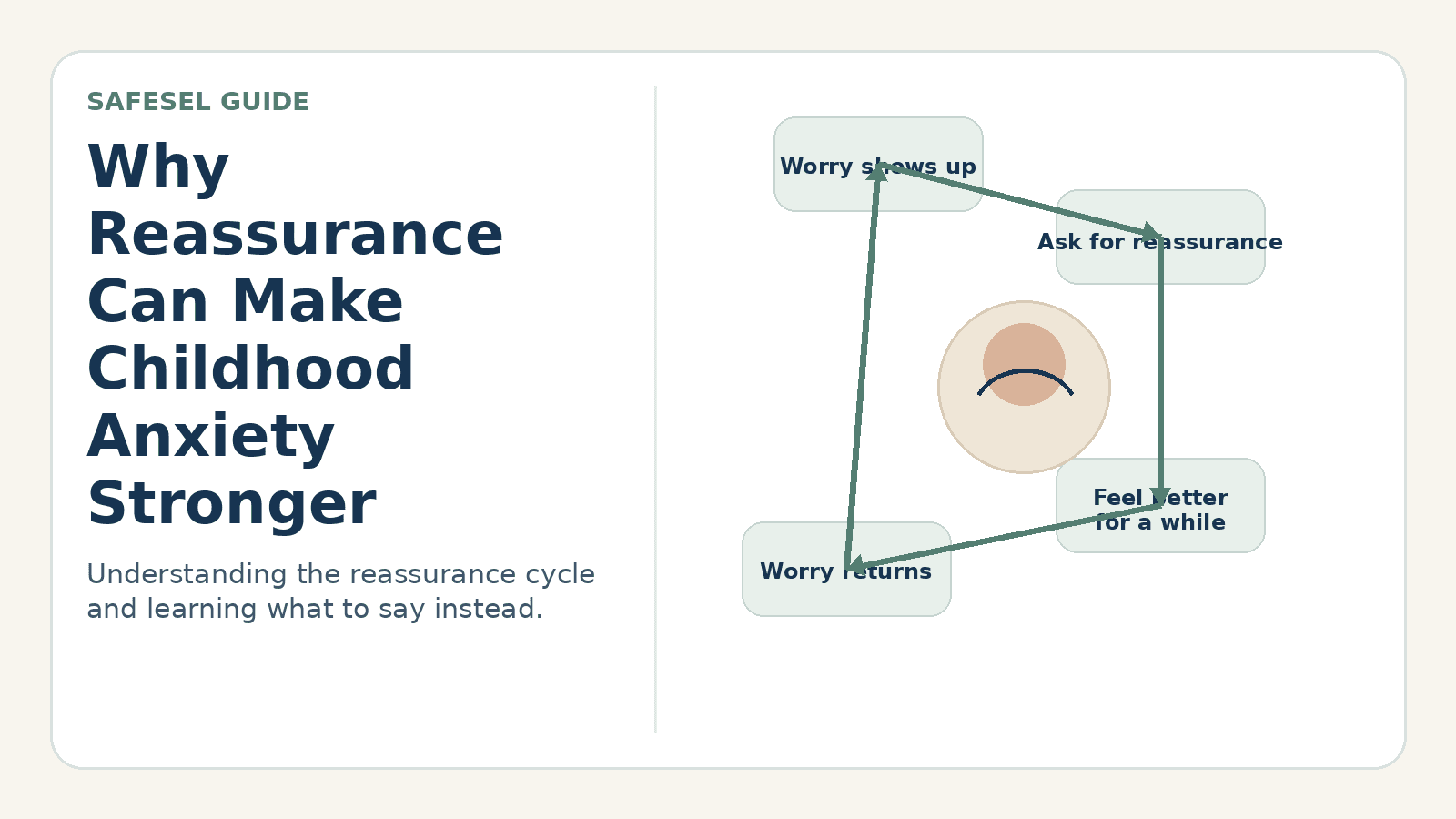
When Bedtime Becomes a Chain of “What If?” Questions
Practical guidance for responding when bedtime becomes a chain of “what if?” questions, with a clear first step, realistic adult language, and functional measures of progress.
All-or-Nothing Thinking in Schoolwork: What Adults Can Say
A practical, evidence-informed guide to all-or-nothing thinking in schoolwork, with concrete examples, accessible next steps, and clear limits on what the guidance can establish.
What to Do When a Child Is Anxious Before Birthday Parties
Practical guidance for responding when a child is anxious before birthday parties, including what to observe, what adults can say, and how to adjust support without adding shame.
How to Test a Perfectionistic Rule With a Small Behavioral Experiment
A practical guide to testing a perfectionistic rule with a small behavioral experiment, with realistic steps, language adults can use, and ways to judge whether the plan is helping.
What to Do When Anxiety Spikes After a Change of Plans
Practical guidance for responding when anxiety spikes after a change of plans, including what to observe, what adults can say, and how to adjust support without adding shame.
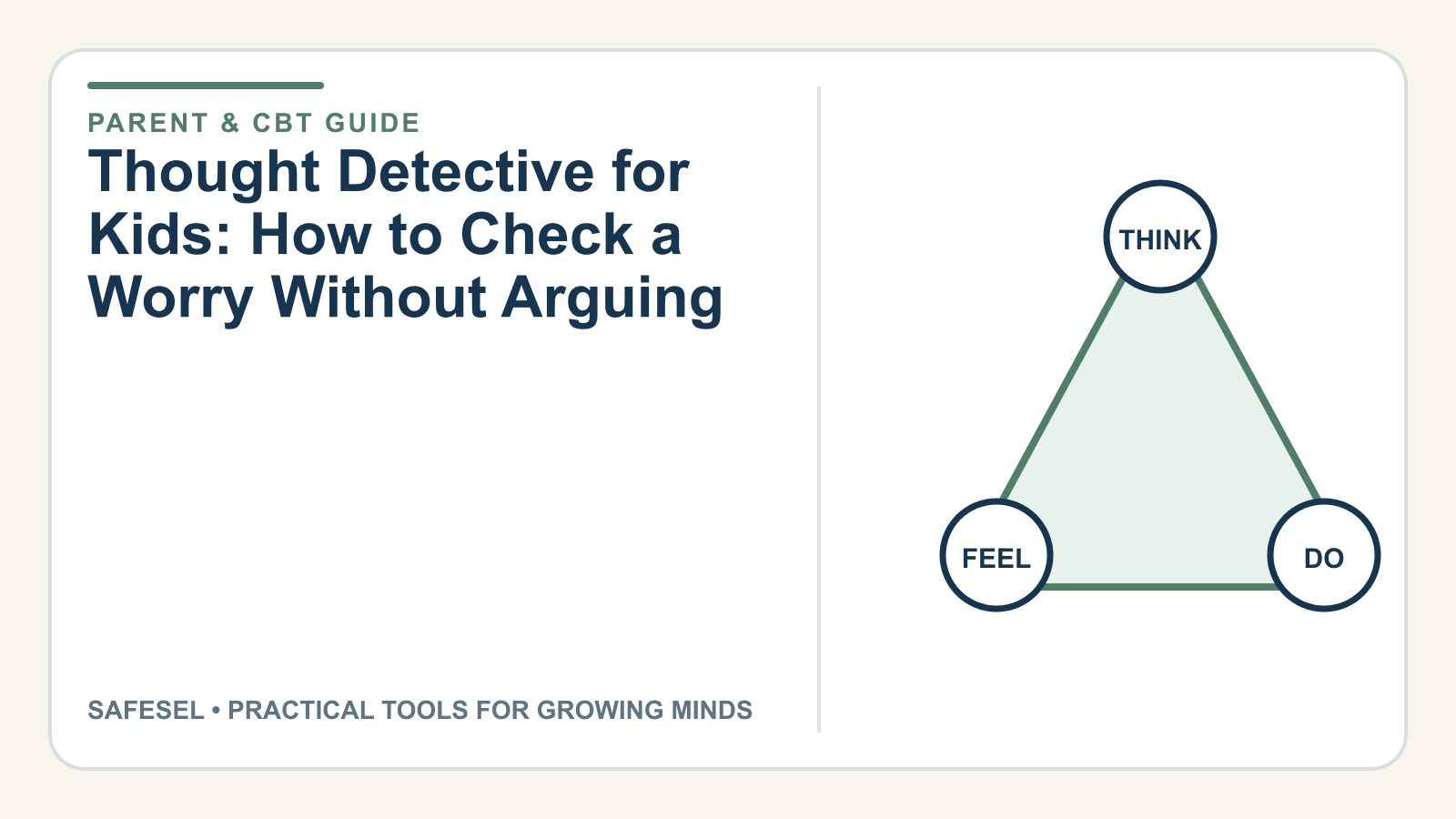
When a Child Is Too Upset to Complete a Thought Record
Practical guidance for responding when a child is too upset to complete a thought record, with a clear first step, realistic adult language, and functional measures of progress.
How to Help a Child Who Is Afraid to Use the School Bathroom
A practical guide to helping a child who is afraid to use the school bathroom, with realistic steps, language adults can use, and ways to judge whether the plan is helping.
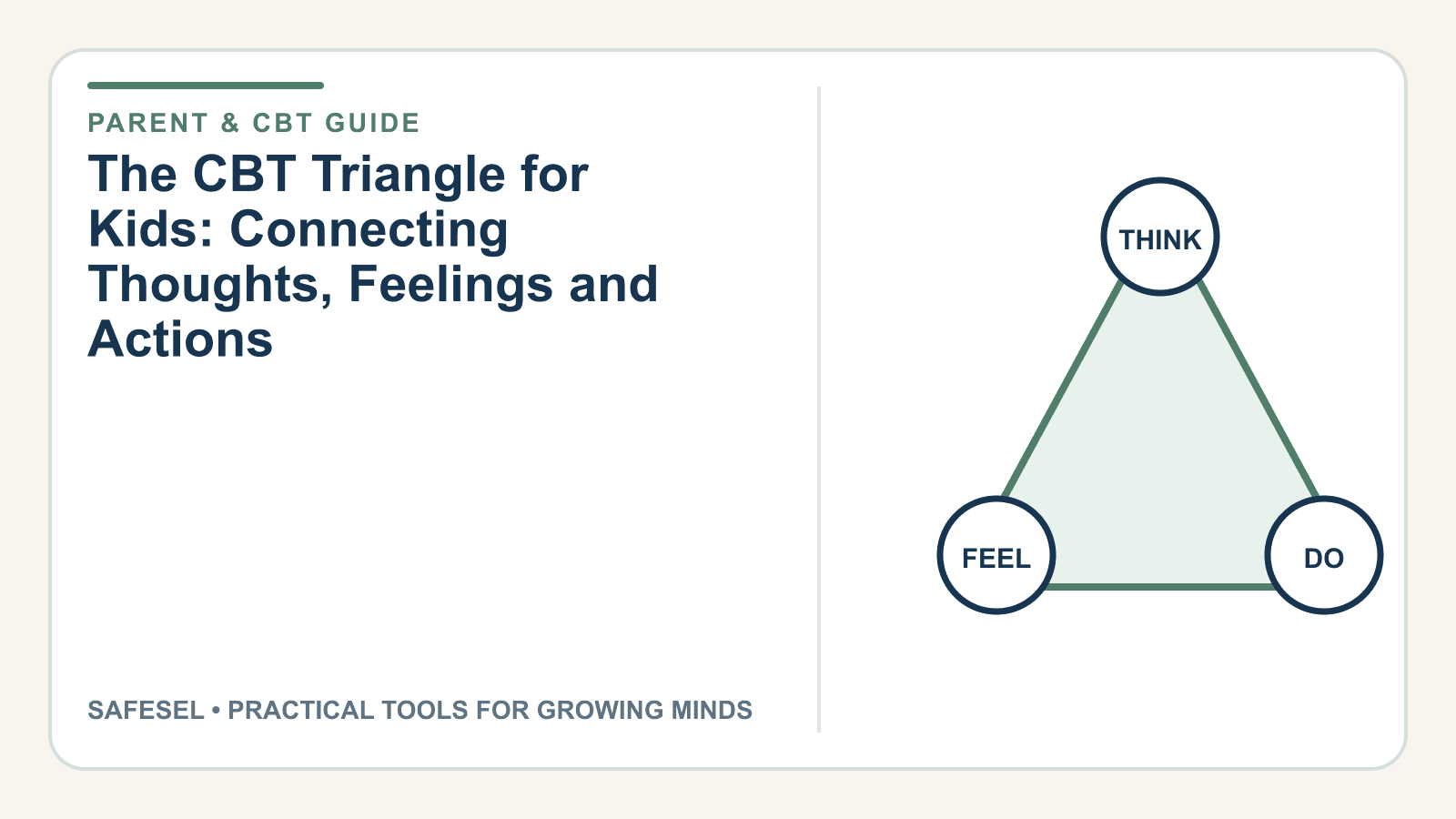
How to Shift From “I Need to Know” to “I Can Cope Without Certainty”
A practical guide to shifting from “i need to know” to “i can cope without certainty”, with realistic steps, language adults can use, and ways to judge whether the plan is helping.
Anticipatory Anxiety Before Medical or Dental Appointments
Prepare children for medical or dental appointments with truthful information, agreed support and clinician-approved choices. Avoid promises that may not be true.
Possibility vs. Probability: Helping Children Evaluate a Worry
A practical, evidence-informed guide to possibility vs. probability, with concrete examples, accessible next steps, and clear limits on what the guidance can establish.
When a Child Yells at a Parent but Calms Down With Everyone Else
Practical guidance for responding when a child yells at a parent but calms down with everyone else, with a clear first step, realistic adult language, and functional measures of progress.