Article archive: page 23
More practical, evidence-informed guidance for the real emotional and social situations children face.
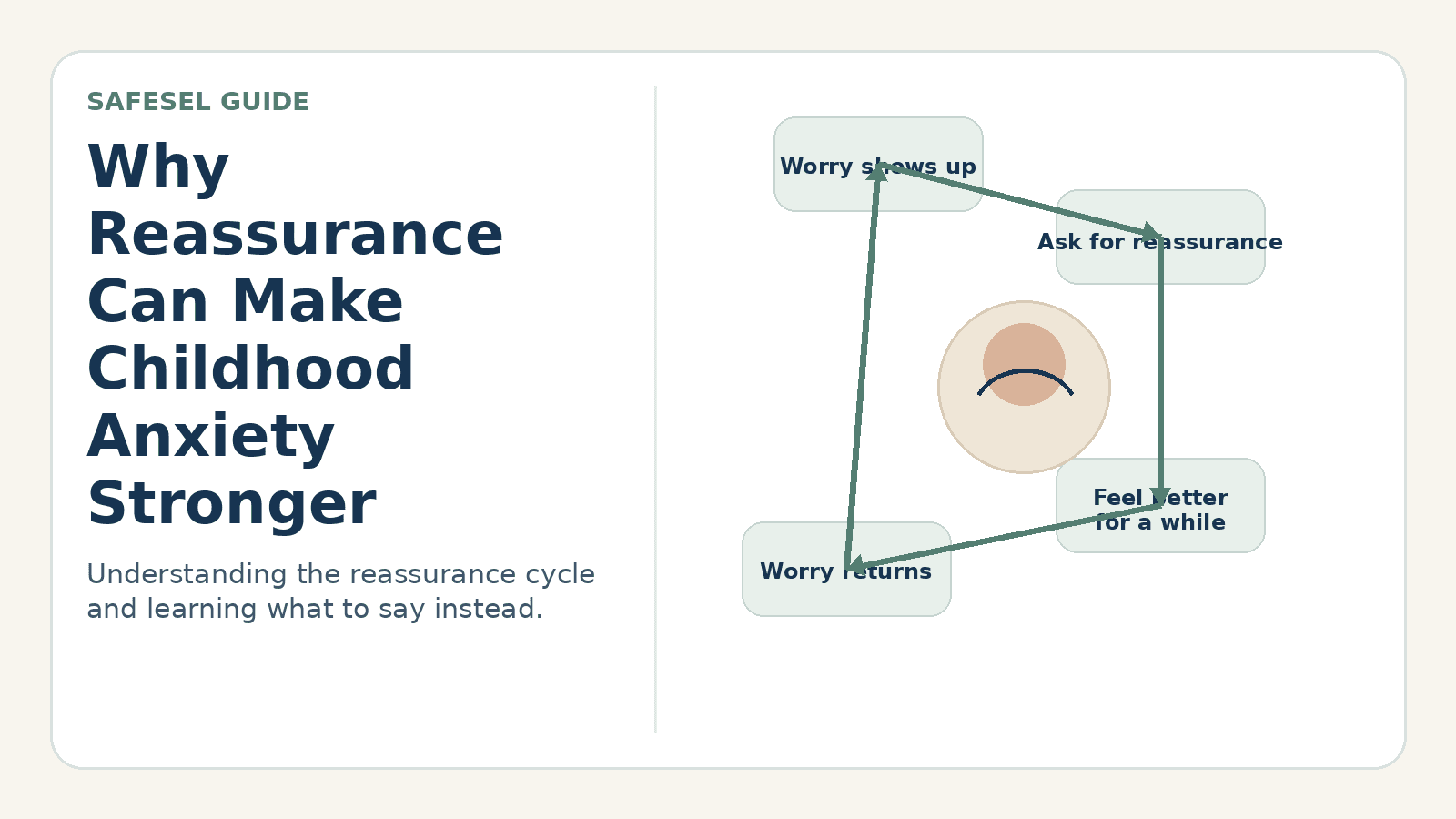
Anxiety Accommodation vs. Helpful Support: How to Tell the Difference
A practical, evidence-informed guide to anxiety accommodation vs. helpful support, with concrete examples, accessible next steps, and clear limits on what the guidance can establish.
What an Anger Management Toolkit for Children Should Actually Teach
Compare anger management resources by the skills they teach: body signals, triggers, safe coping, communication and repair. Choose a kit with a clear purpose.
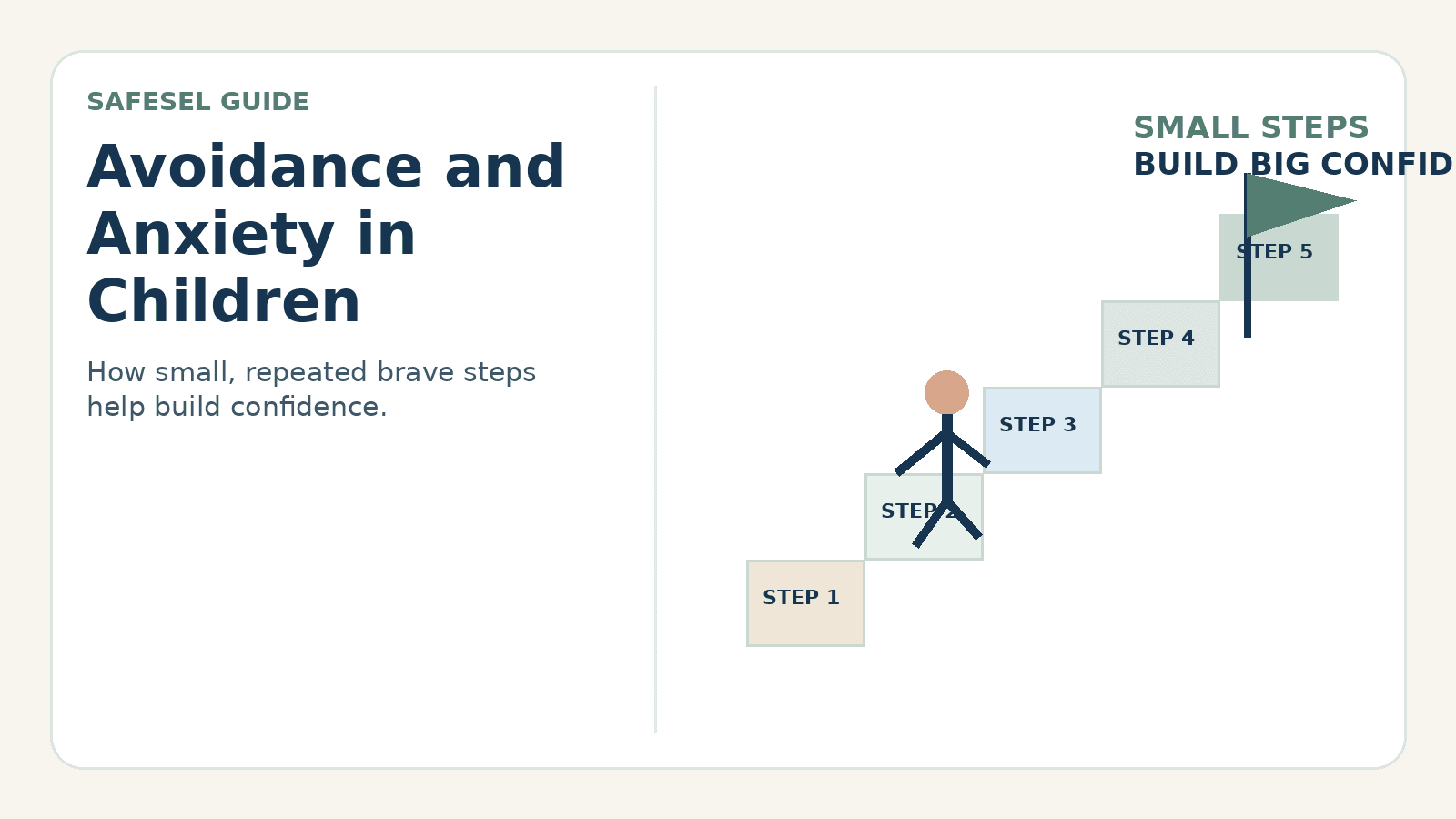
Brave Steps for Ages 10–12: Supporting Autonomy Without Handing Anxiety Control
A practical, evidence-informed guide to brave steps for ages 10–12, with concrete examples, accessible next steps, and clear limits on what the guidance can establish.
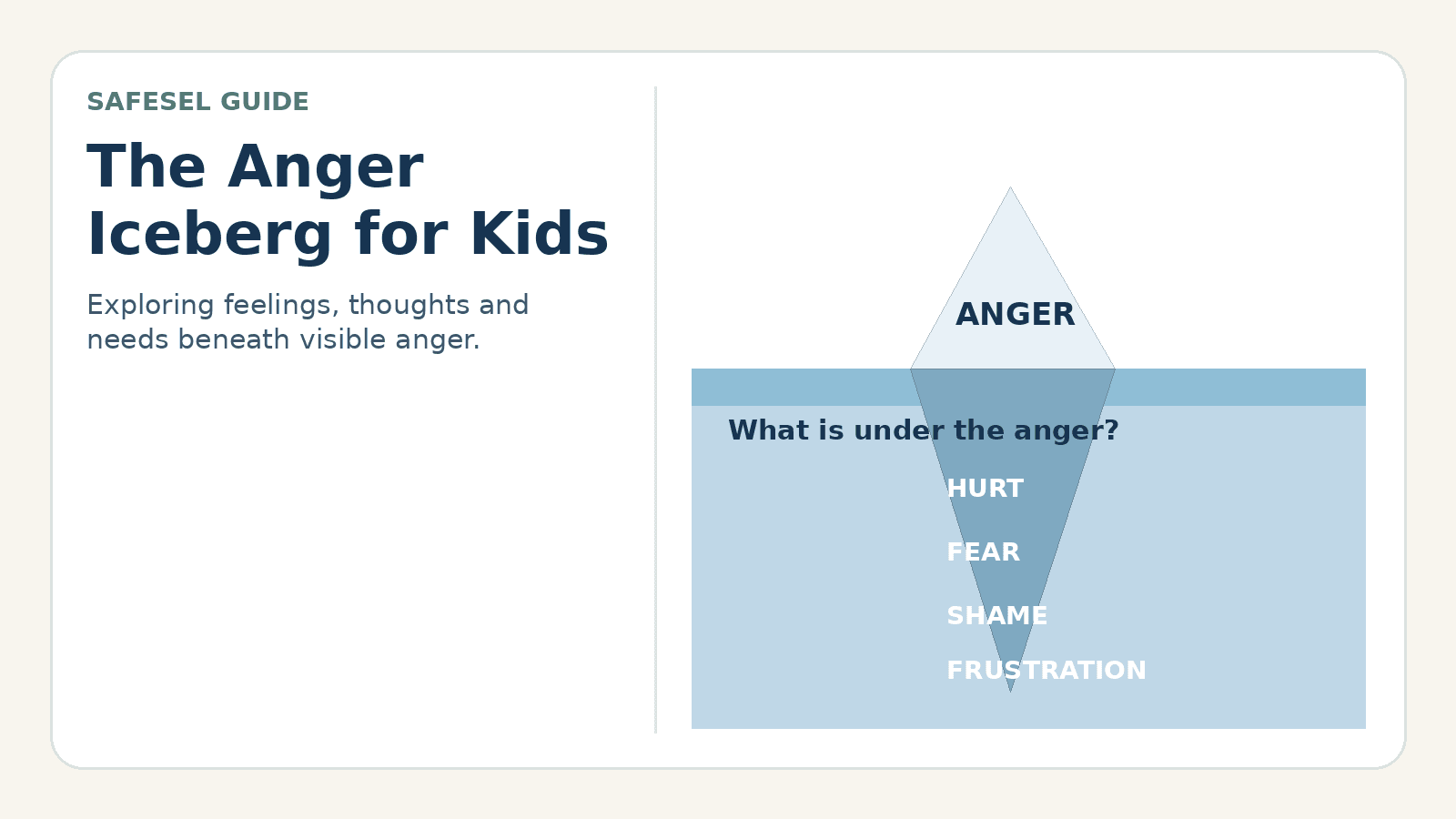
How to Use Anger Scenario Cards Without Turning Them Into a Behavior Quiz
A practical guide to using anger scenario cards without turning them into a behavior quiz, with realistic steps, language adults can use, and ways to judge whether the plan is helping.
Brave Steps for Ages 7–9: Building a Child-Friendly Practice Ladder
A practical, evidence-informed guide to brave steps for ages 7–9, with concrete examples, accessible next steps, and clear limits on what the guidance can establish.
Choosing Anger Worksheets for Body Signs, Triggers, Coping, or Repair
Choose anger worksheets by the skill you need to teach: body cues, triggers, coping or repair. Match the page to the moment and the child’s access needs.
Brave Steps for Ages 4–6: Using Play, Choice, and Very Small Challenges
A practical, evidence-informed guide to brave steps for ages 4–6, with concrete examples, accessible next steps, and clear limits on what the guidance can establish.
Accidental Exclusion vs. Deliberate Exclusion in Childhood Friendships
A practical, evidence-informed guide to accidental exclusion vs. deliberate exclusion in childhood friendships, with concrete examples, accessible next steps, and clear limits on what the guidance can establish.
How to Adapt One SEL Activity for Ages 4–6, 7–9, and 10–12
A practical guide to adapting one SEL activity for ages 4–6, 7–9, and 10–12, with realistic steps, language adults can use, and ways to judge whether the plan is helping.
Anger in Children: Triggers, Skills, and Support
A practical, evidence-informed guide to anger in children, with concrete examples, accessible next steps, and clear limits on what the guidance can establish.
Anger Management Worksheets for Elementary Children: A Buyer’s Guide
A practical, evidence-informed guide to anger management worksheets for elementary children, with concrete examples, accessible next steps, and clear limits on what the guidance can establish.
What to Do When Anxiety Makes Homework Take Hours
Practical guidance for responding when anxiety makes homework take hours, including what to observe, what adults can say, and how to adjust support without adding shame.