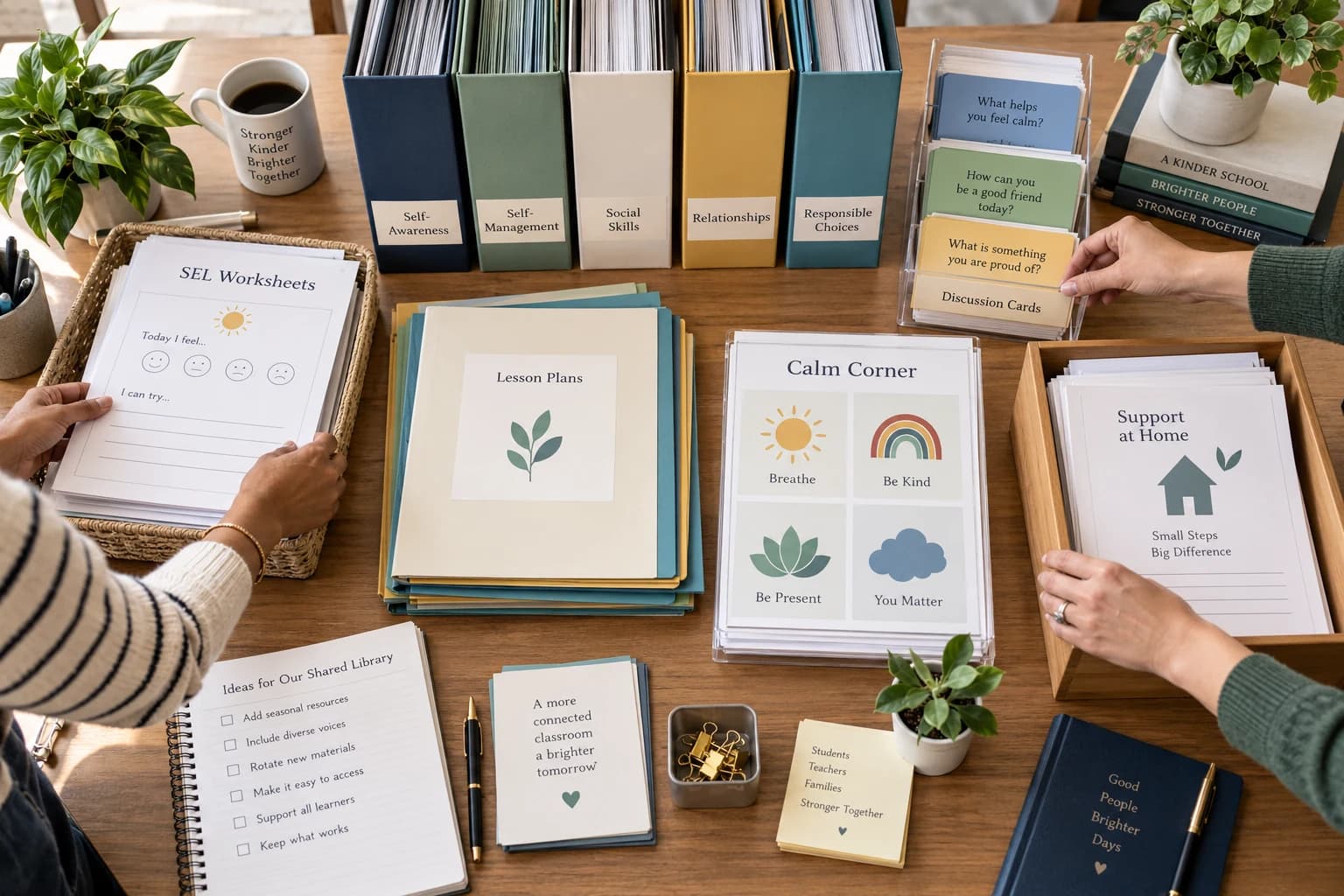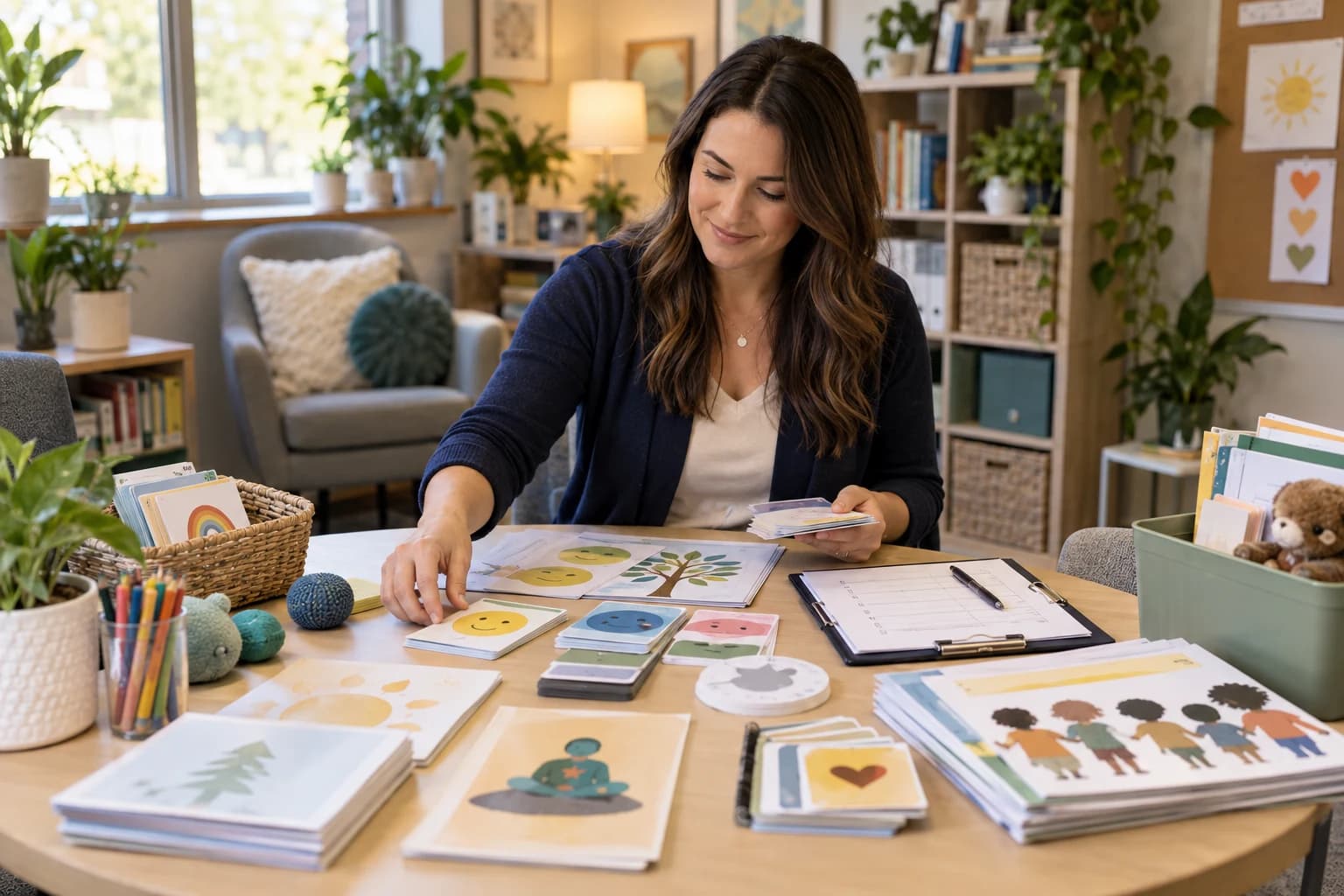
A school counselor resource library should include reusable materials for classroom lessons, small groups, brief individual support, consultation and family communication. It also needs clear boundaries: resources should not function as diagnostic tools, crisis procedures or substitutes for individualized assessment. The checklist below prioritizes breadth, retrievability and safe schoolwide use.
Whole-class and preventive materials
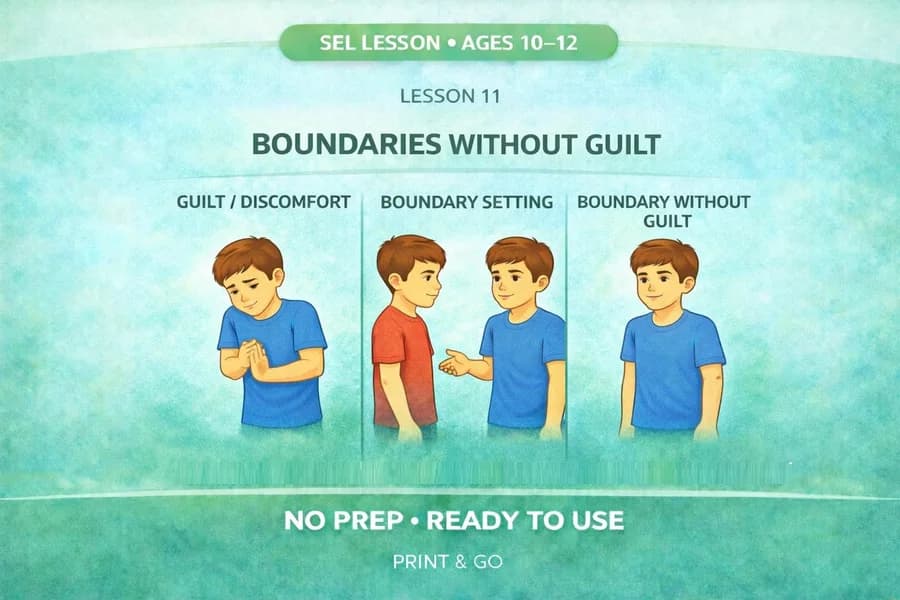
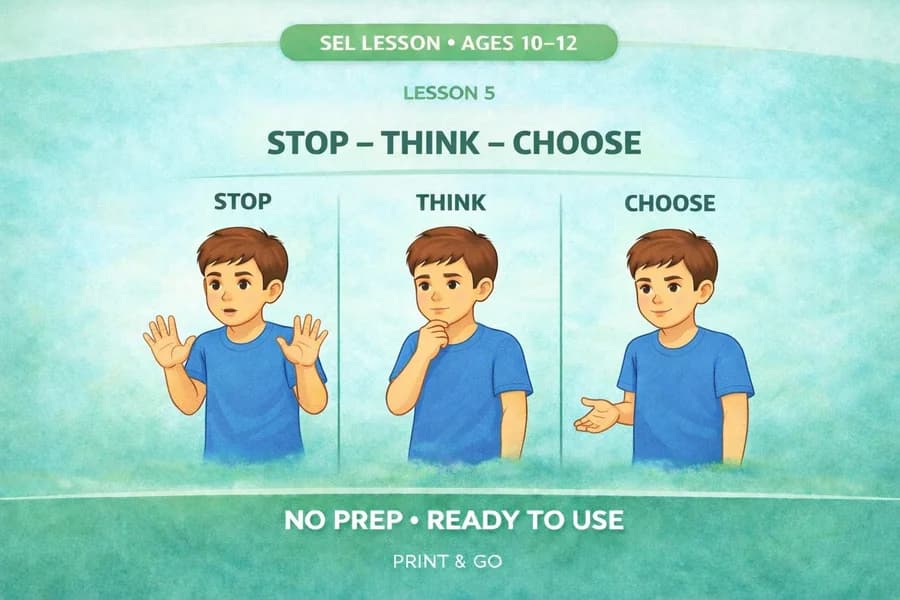
Include short lessons, discussion prompts, visual supports and activities for emotional vocabulary, coping, help-seeking, communication, friendship, conflict repair and problem-solving. Materials should work within realistic classroom time and require limited preparation.
Look for multiple entry points. A concept may need a teacher-led lesson, a poster, a short reflection page and prompts for revisiting it later. Repetition across formats supports use without forcing every classroom into the same sequence.
Small-group resources
Groups need more than a stack of worksheets. Include an opening routine, session goals, structured discussion, practice activities, between-session application and a closing check. Common areas include anxiety, anger, grief, friendship, confidence and school adjustment.
The counselor still selects participants, obtains appropriate consent, protects confidentiality and adapts the plan. A prebuilt resource saves preparation time but does not make one group suitable for every student.
Brief individual support tools
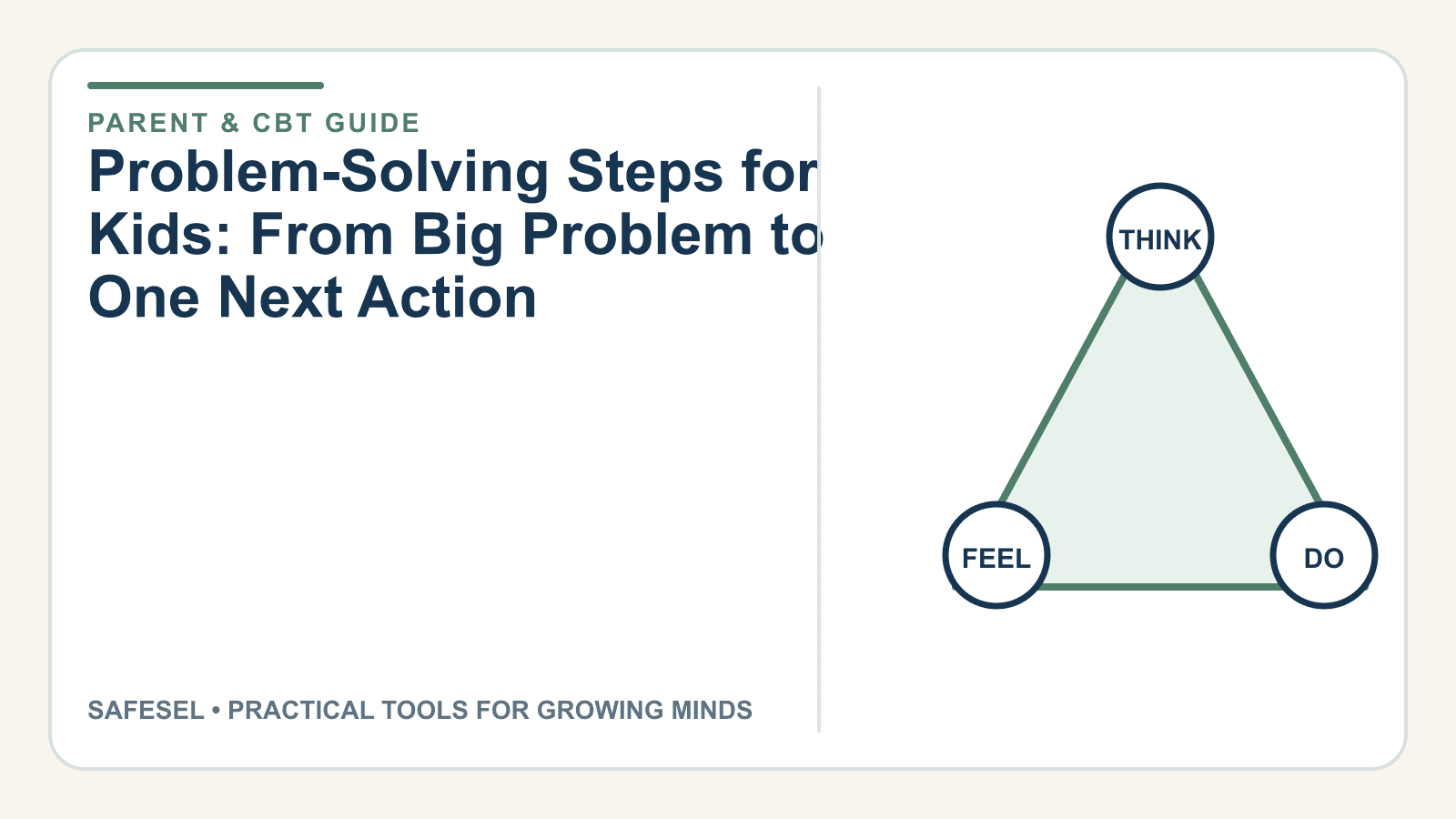
Useful items include check-in prompts, coping menus, problem-solving steps, regulation plans, school-refusal planning pages and communication supports. These can structure a conversation and help record a next step.
Do not treat completed pages as formal assessment results. When concerns suggest significant impairment, trauma, risk or a need beyond the counselor’s role, use qualified assessment and local referral procedures.
Teacher consultation and classroom support
Counselors often spend substantial time helping teachers translate a concern into an observable plan. Include concise materials for routines, transitions, calm-down spaces, validation with boundaries, repair and reinforcement of taught skills.
A consultation tool should clarify what adults will do, what the student can expect and when the plan will be reviewed. It should not shift responsibility for unsafe or inaccessible environments onto the child.
Caregiver handouts and school-home guides
Maintain short handouts for the language used at school and deeper guides for recurring family concerns. Topics may include anxiety, routines, homework, bullying, screen time, friendship, ADHD-related executive demands and difficult relationship conversations.
Share one relevant item with a brief explanation and an invitation for questions. Family engagement works best as a relationship, not as a download link sent without context.
Operations, access and review
Add a one-page index, age labels, a “use when” description and the school’s license terms. Keep original files protected and make it easy for staff to locate approved resources without copying the entire library into personal accounts.
Review the collection each term for missing topics, duplicate materials, accessibility barriers and links that no longer work. Track which resources help staff act with greater consistency; avoid claiming that library use alone demonstrates outcomes.
Continue with the school resource plan
Explore the $149 Whole-School SEL Resource Library
Plan resources across the school year
Browse elementary SEL small-group guidance