Article archive: page 12
More practical, evidence-informed guidance for the real emotional and social situations children face.
Visual Schedules for Ages 4–6: Pictures, Predictability, and Adult Support
Build a short visual schedule for ages 4–6 using recognizable pictures. Teach how to check the next step and communicate changes with adult support.
When a Child Wants a Parent to Speak for Them in Every Situation
Practical guidance for responding when a child wants a parent to speak for them in every situation, with a clear first step, realistic adult language, and functional measures of progress.
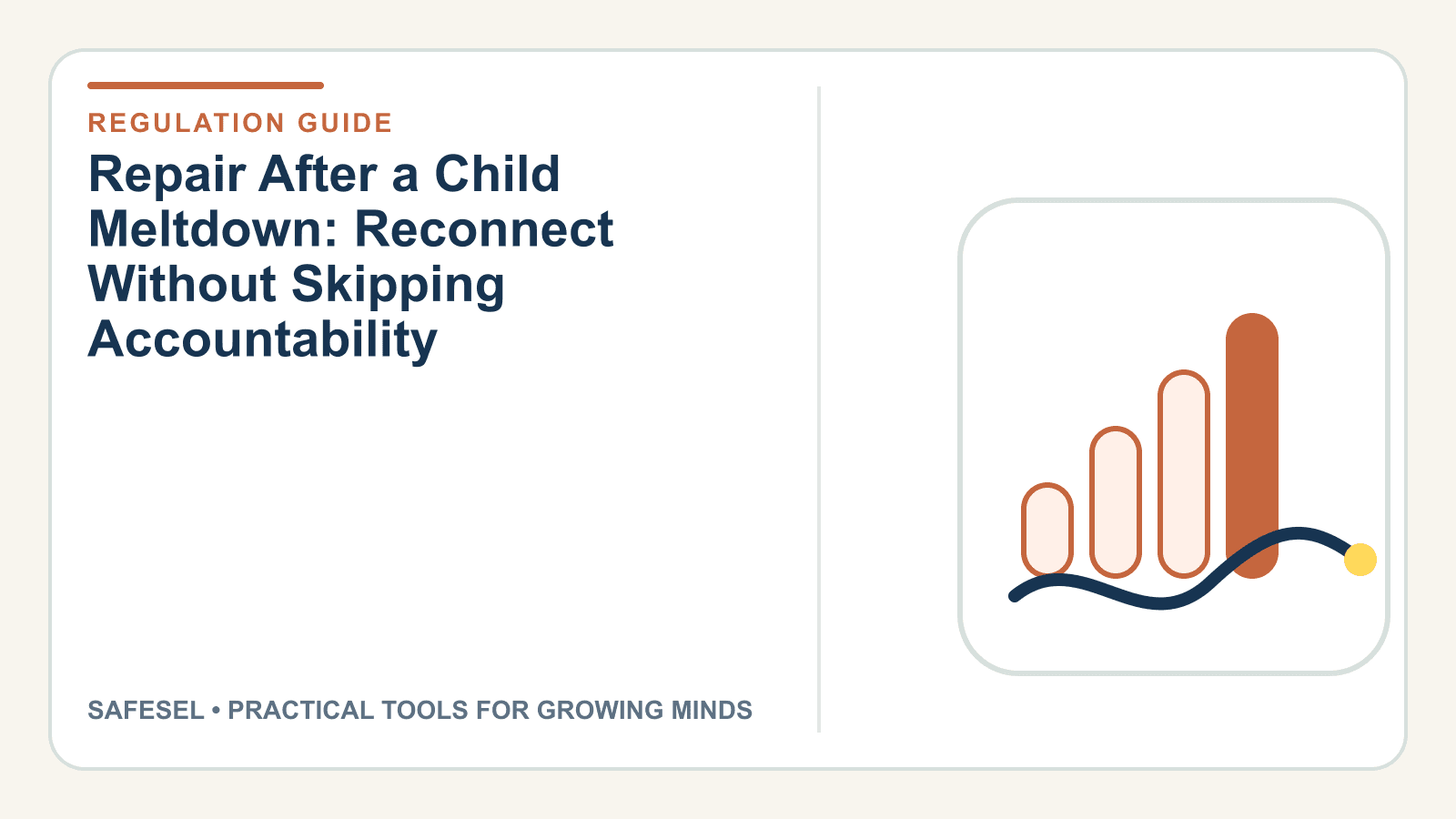
CBT-Informed Support for Anger and Frustration in Children
Use CBT-informed anger worksheets after a safe pause. Explore a specific incident, distinguish feelings from harmful actions and plan appropriate support.
When a Child Rejects Comfort but Still Needs Support
Offer support when a child rejects touch or conversation. Adapt proximity, respect communication and stay attentive to safety and practical needs.
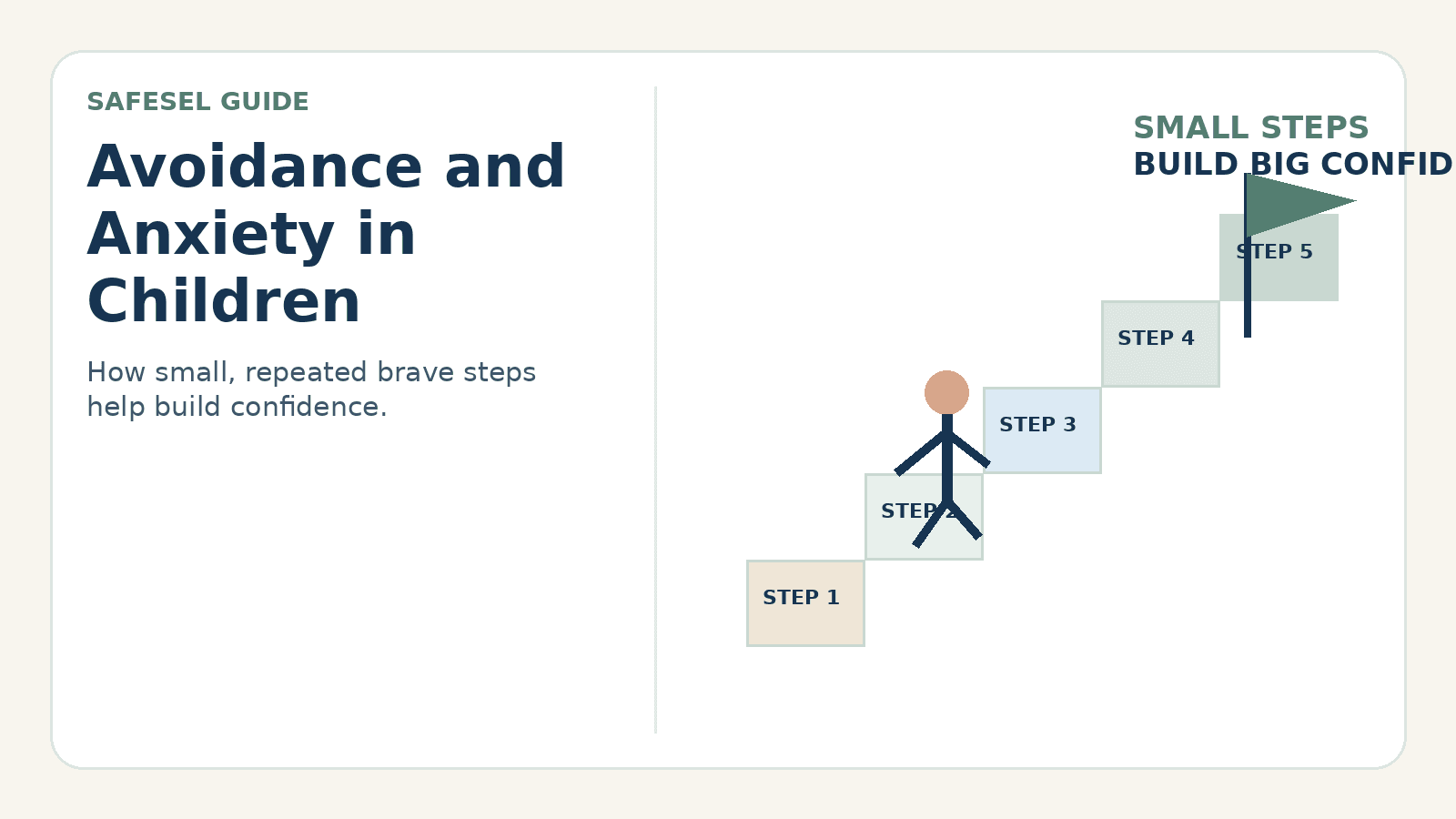
CBT Tools for Childhood Anxiety: A Practical Guide for Adults
Choose childhood anxiety tools for a specific purpose. Explore the child’s account, check real-world problems and distinguish worksheets from treatment.
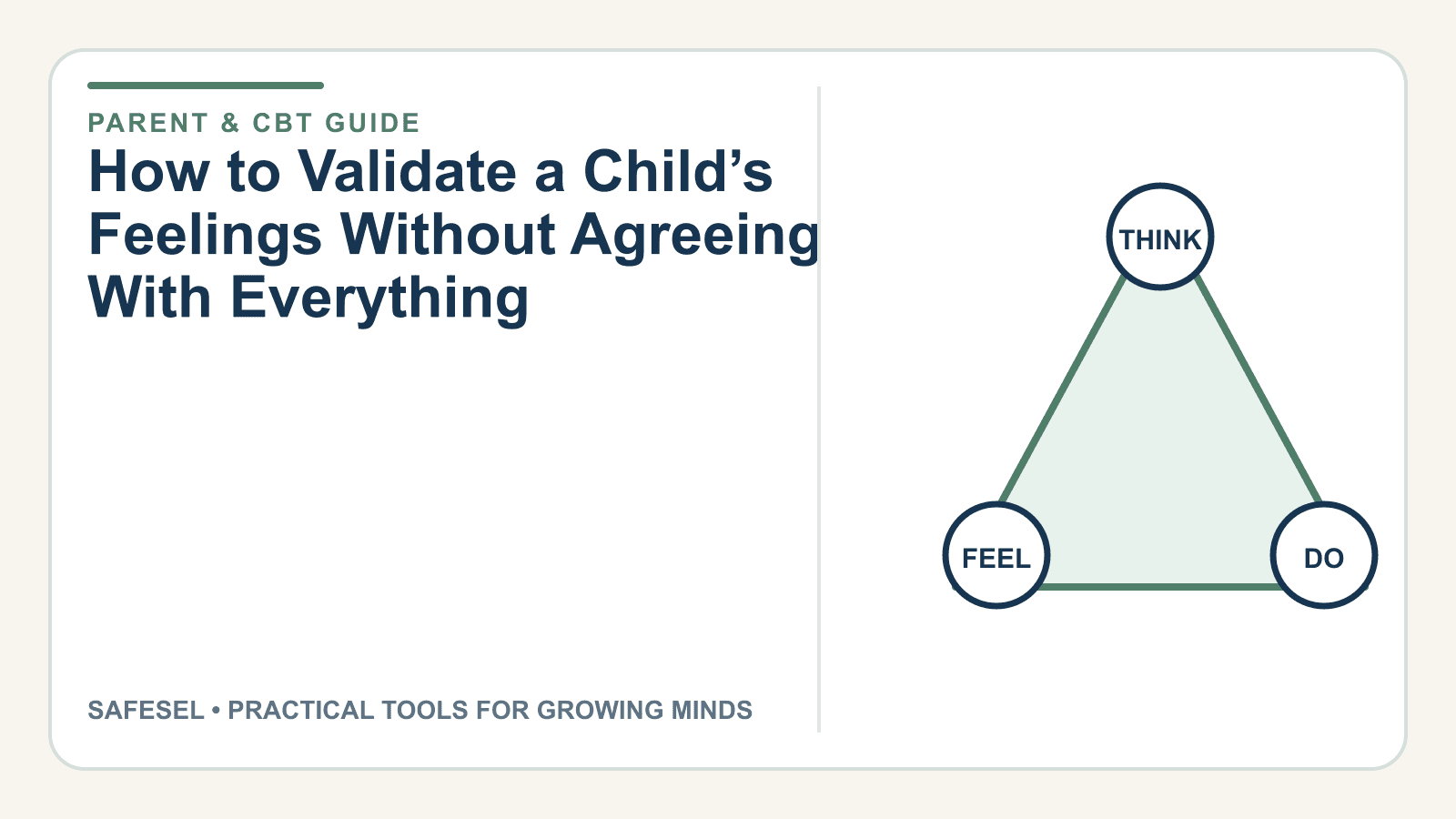
When Parents Disagree About How to Respond to Big Feelings
Practical guidance for responding when parents disagree about how to respond to big feelings, with a clear first step, realistic adult language, and functional measures of progress.
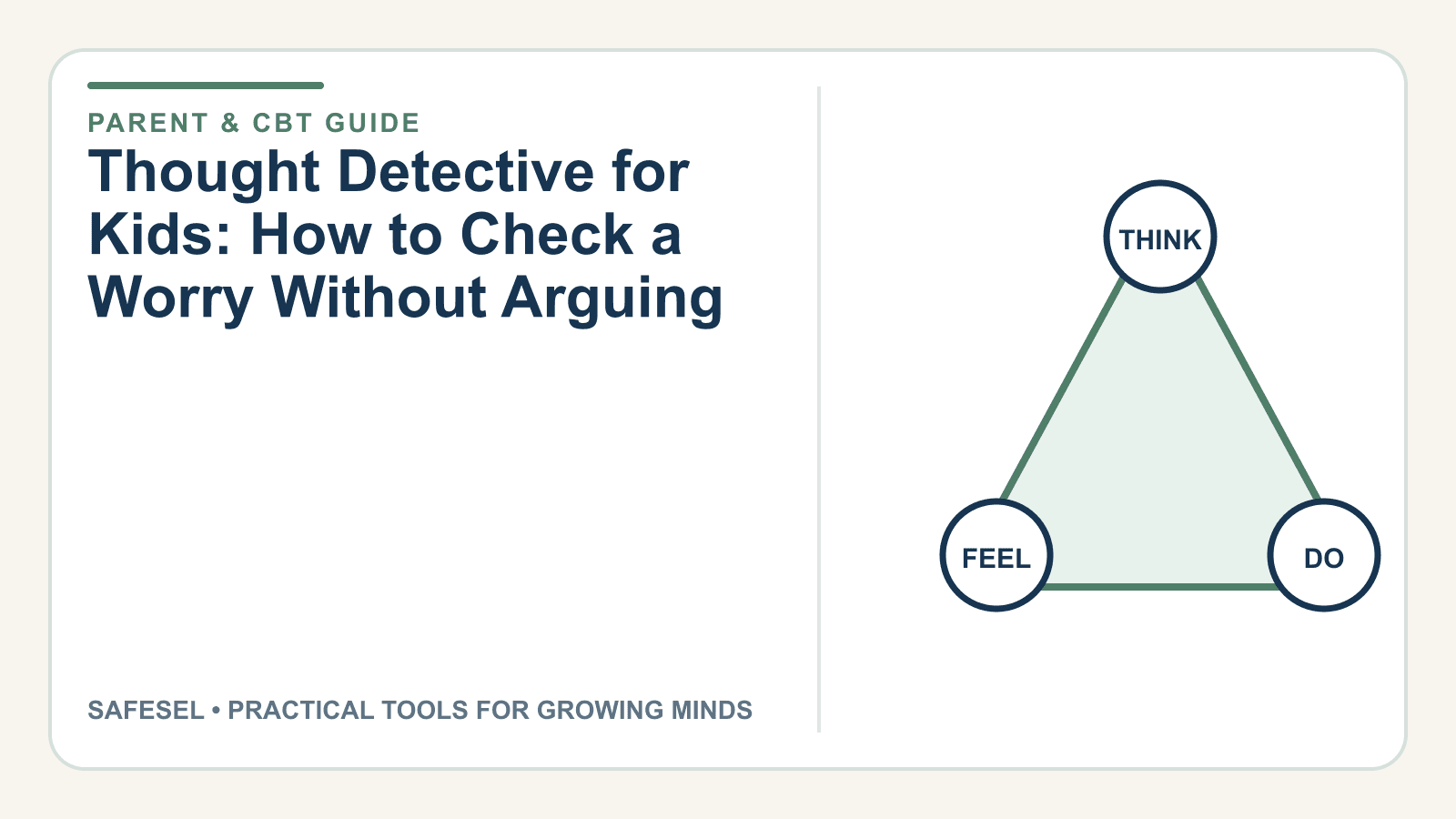
Circle of Control vs. Acceptance of Uncertainty: When to Use Each Tool
A practical, evidence-informed guide to circle of control vs. acceptance of uncertainty, with concrete examples, accessible next steps, and clear limits on what the guidance can establish.
How to Validate a Child’s Feelings While Still Holding a Limit
Acknowledge a child’s feelings without reopening every decision. Use concrete language, offer transition support and revisit routines when appropriate.
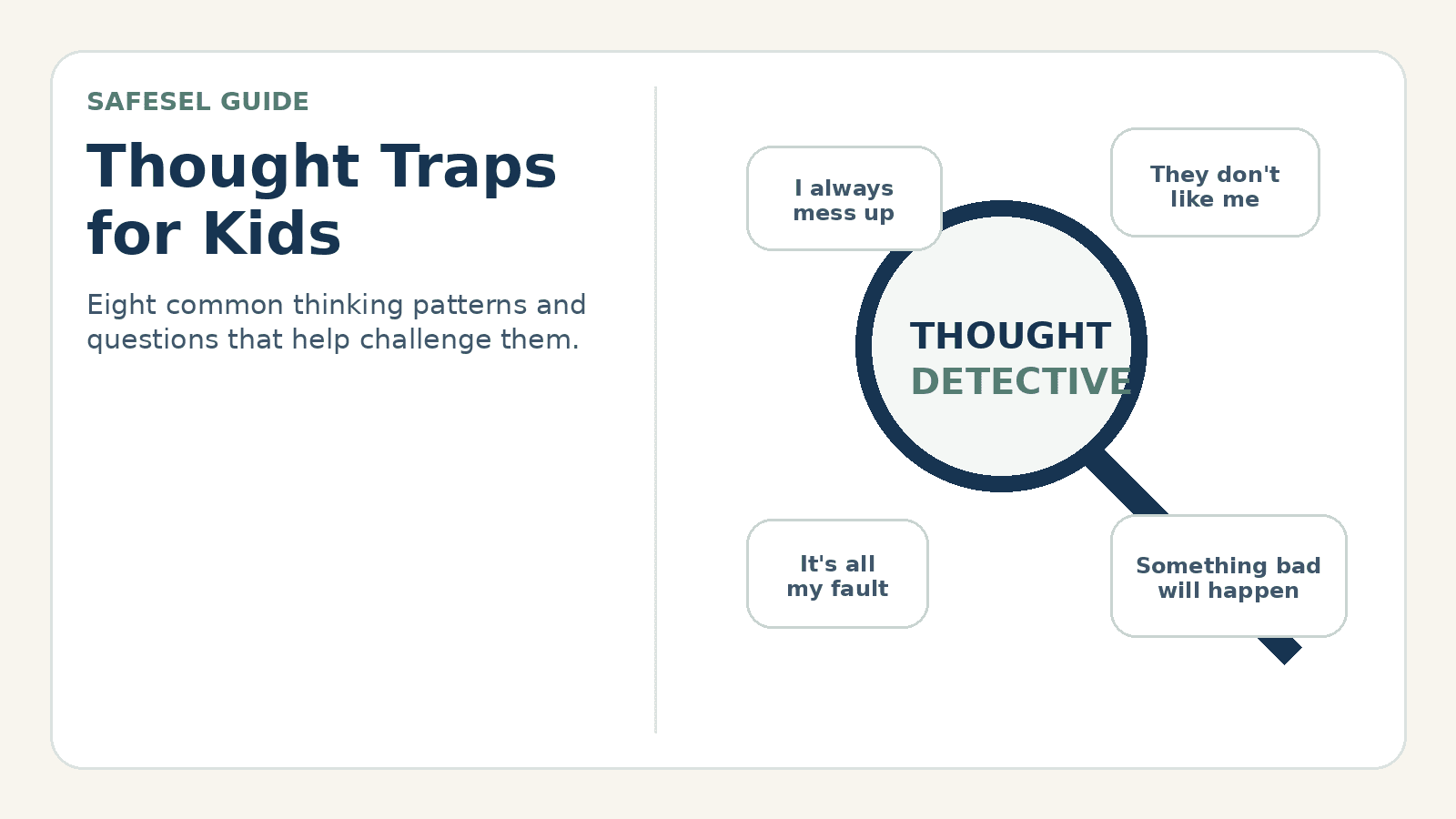
A Coping Statement vs. Positive Affirmation: What Makes It Believable?
A practical, evidence-informed guide to a coping statement vs. positive affirmation, with concrete examples, accessible next steps, and clear limits on what the guidance can establish.
How to Stop Repeated Debates About a Family Rule
Keep family rules clear with brief explanations, genuine choices and an agreed review time. Respond to new information without repeating the same debate.
Problem-Solving vs. Thought Checking: Which Skill Does the Child Need?
Distinguish a practical obstacle from an uncertain interpretation. Help a child choose problem solving, thought checking or a combination that fits.
How to Repair After a Parent Yells
Repair after parent yelling with a clear apology, ownership and a specific change. Keep necessary boundaries without blaming the child for your reaction.