Article archive: page 9
More practical, evidence-informed guidance for the real emotional and social situations children face.
When Packing Up at the End of the Day Becomes Overwhelming
Practical guidance for responding when packing up at the end of the day becomes overwhelming, with a clear first step, realistic adult language, and functional measures of progress.
How to Support the Transition Back to Class After Recess
Make the return from recess more predictable with a clear cue, an accessible first task and coordinated adult support. Includes a classroom transition example.
When a Student Refuses Group Work but Participates One-to-One
Explore group work refusal through roles, noise, communication and peer safety. Plan a meaningful contribution without forcing unsafe social participation.
How to Investigate Repeated Peer Exclusion Without Forcing Reconciliation
Respond to repeated peer exclusion by checking patterns, power and safety. Protect the child without forcing apologies, friendships or face-to-face mediation.
How Adults Can Mediate Peer Conflict Without Deciding Too Quickly Who Is “The Problem”
A practical, evidence-informed guide to mediating peer conflict without deciding too quickly who is “the problem”, with concrete examples, accessible next steps, and clear limits on what the guidance can establish.
How School Counselors Can Run an Inclusive Friendship Skills Group
Plan friendship social skills lessons that teach joining, boundaries and repair without demanding one social style. A practical guide for school counselors.
How Teachers Can Form Groups Without Repeatedly Isolating the Same Students
Plan classroom groups with meaningful roles and private feedback. Avoid repeated last-choice moments and check who is excluded during the task.
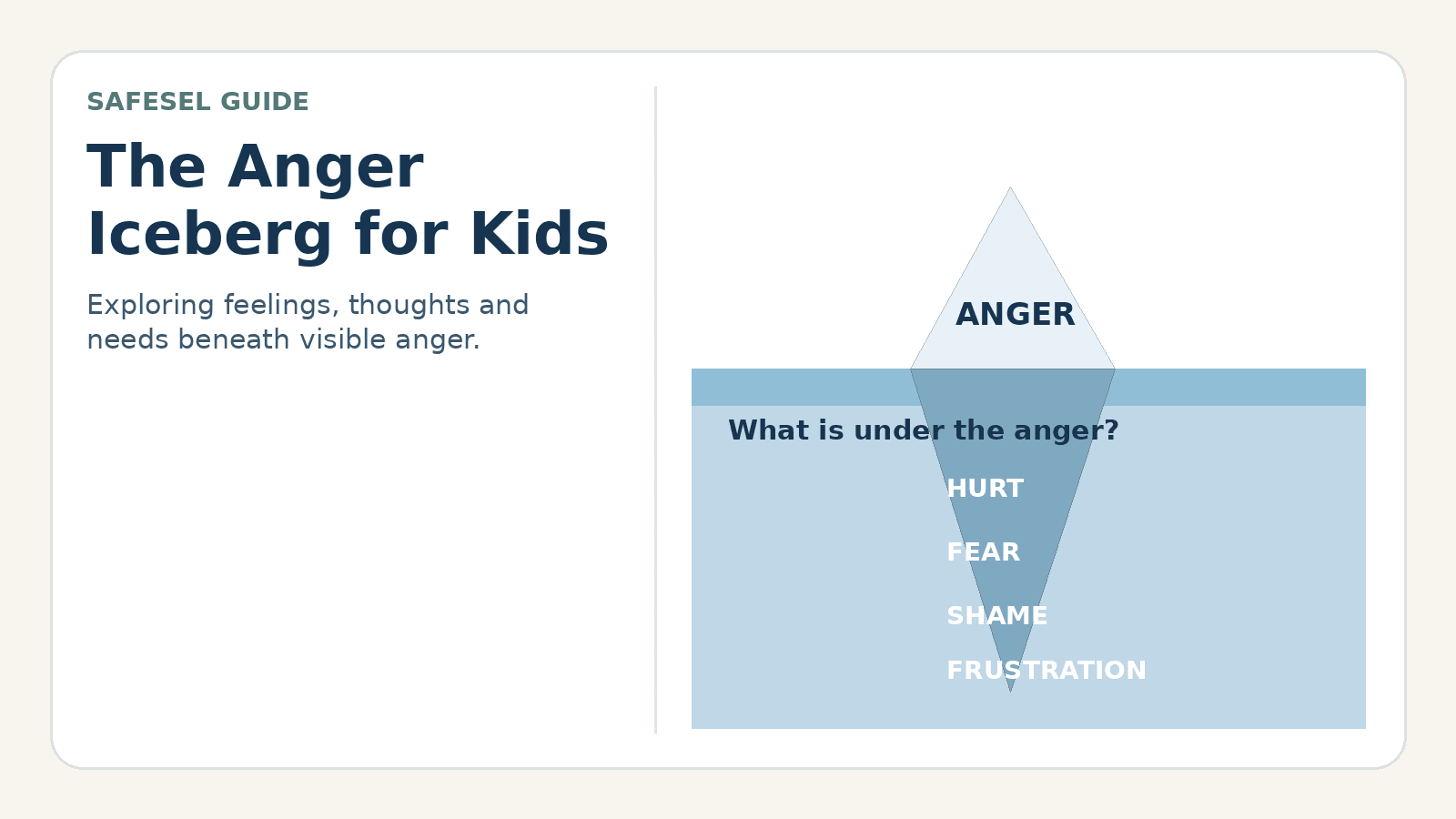
How Therapists Can Separate Anger Triggers From Maintaining Patterns
Separate the event before anger from patterns that may keep difficulties going. Use collaborative formulation, observable information and cautious hypotheses.
How to Plan Re-Entry After a Student Leaves Class in Anger
Plan a supported return to class after anger with a clear handover and first task. Separate immediate access to learning from later repair and review.
How School Counselors Can Run an Anger Skills Group Without Shaming Students
Plan anger management lessons that teach safe responses, communication and repair without public behavior rankings or forced personal disclosures.
How Teachers Can Respond to an Angry Classroom Outburst Without a Public Power Struggle
Respond to a classroom outburst with brief language, clear safety procedures and private follow-up. Avoid public arguments and know when to obtain help.
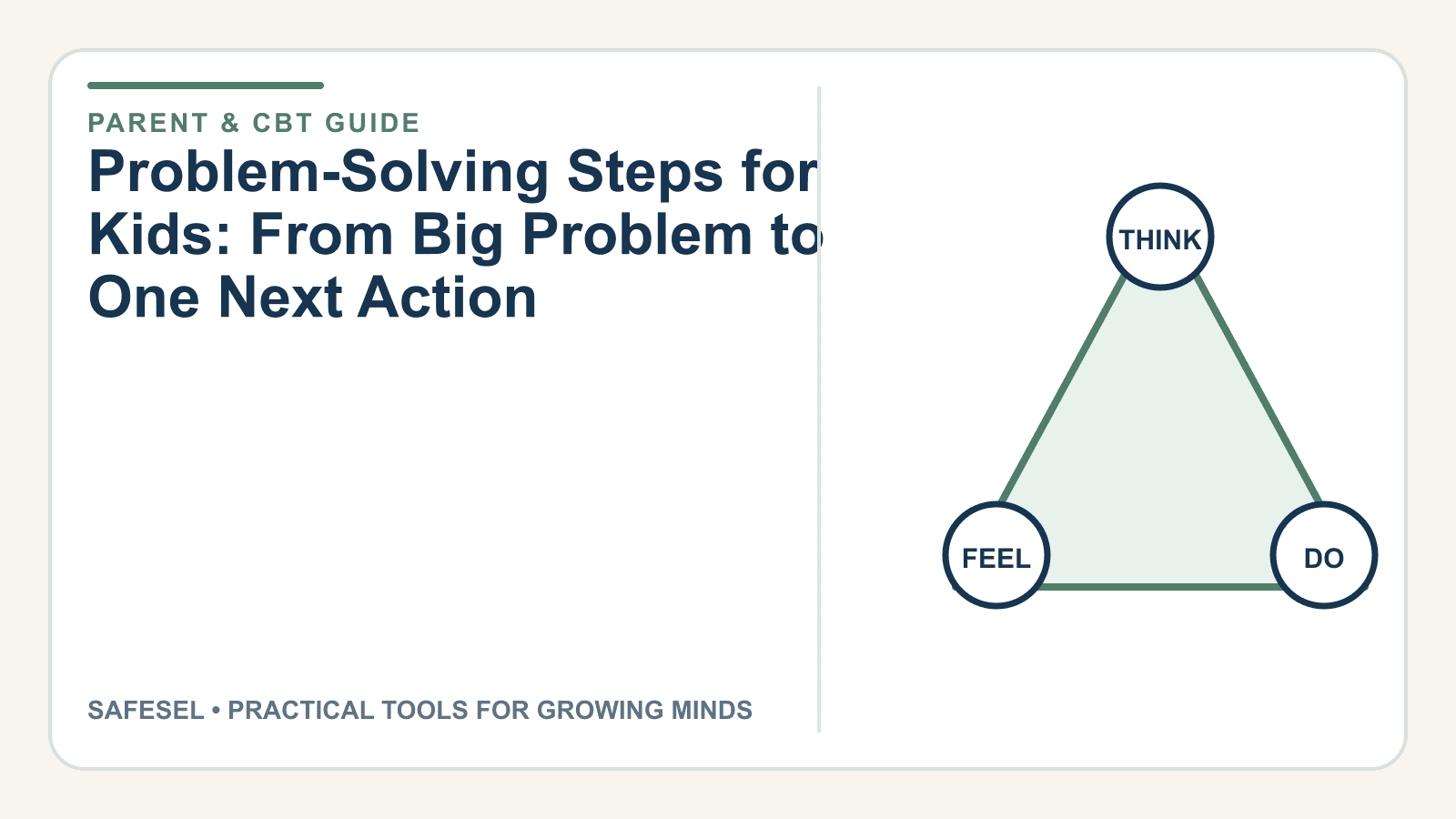
How to Document Regulation Progress Without Rating a Child’s Personality
Write useful regulation progress notes with context, observable actions and support provided. Avoid personality labels and misleading behavior-only ratings.