SEL Lessons
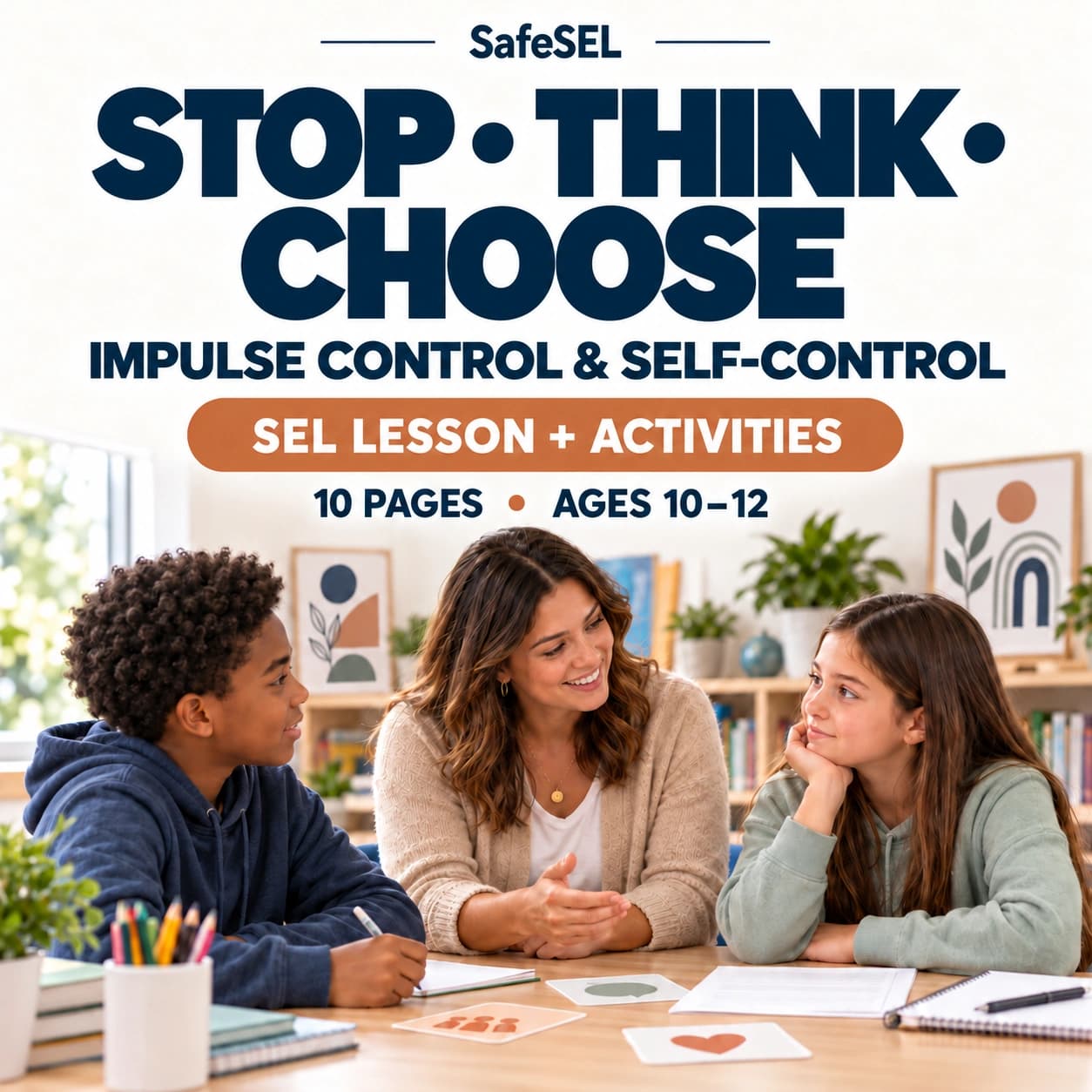
Stop – Think – Choose Ages 10-12
Ages 10–12PDF
This ready-to-use SEL lesson for ages 10–12 focuses on stop think choose through concrete prompts and realistic practice.
Explore ready-to-use SEL lessons and lesson plans with practical activities for classroom, counseling and small-group instruction.
This ready-to-use SEL lesson for ages 10–12 focuses on stop think choose through concrete prompts and realistic practice.
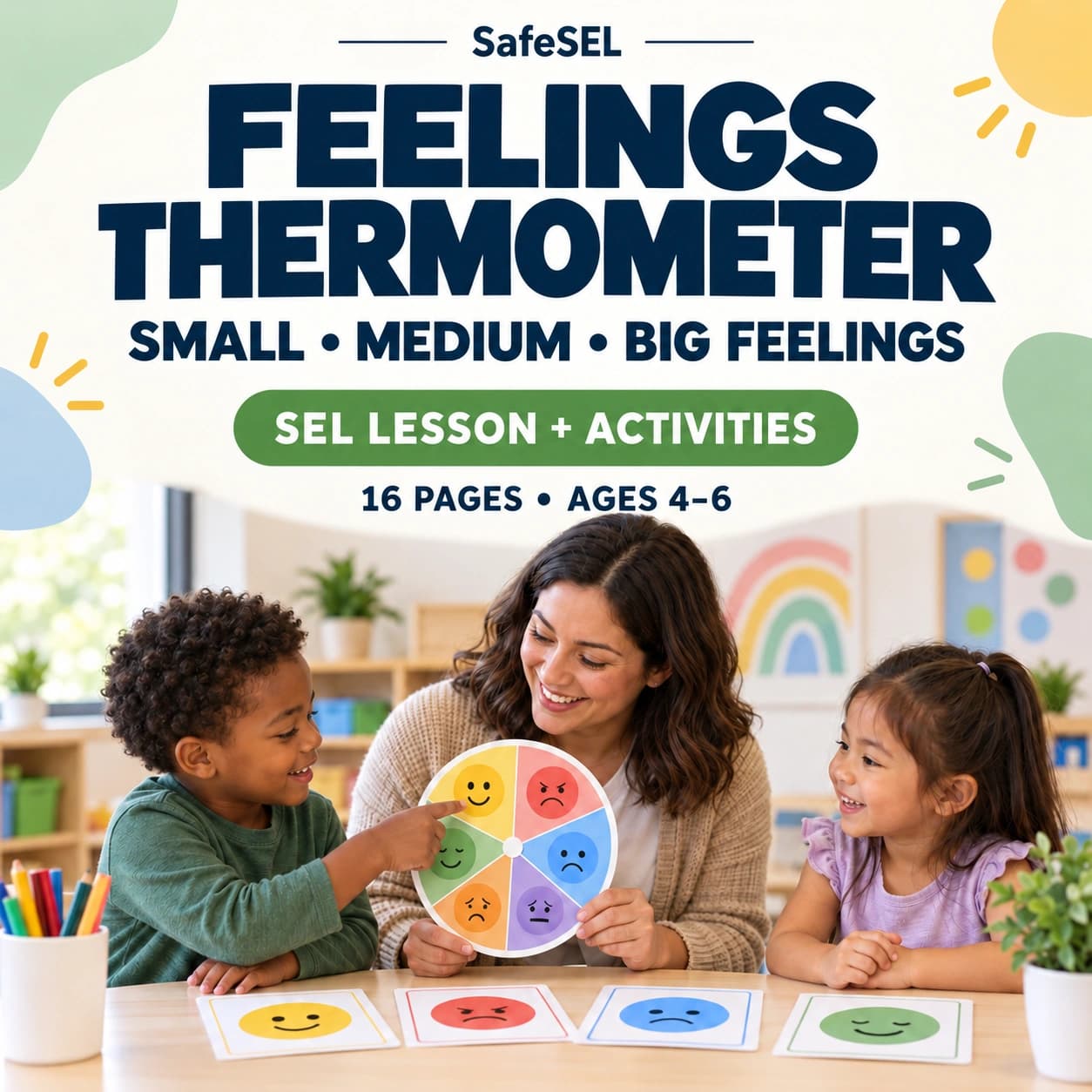
A structured, no-prep SEL lesson for ages 4–6 about big & small feelings, with guided teaching and printable student activities.
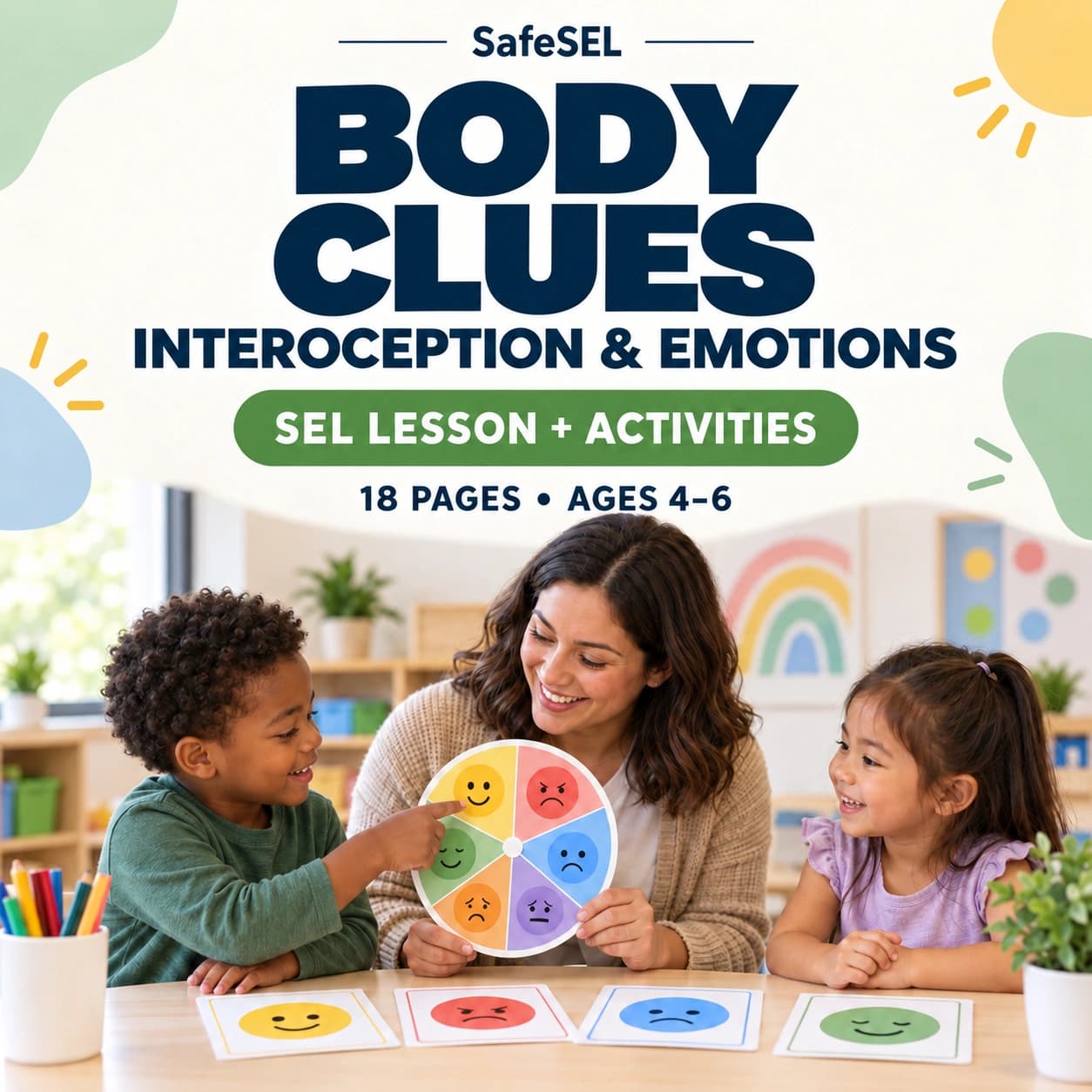
A structured, no-prep SEL lesson for ages 4–6 about body clues, with guided teaching and printable student activities.
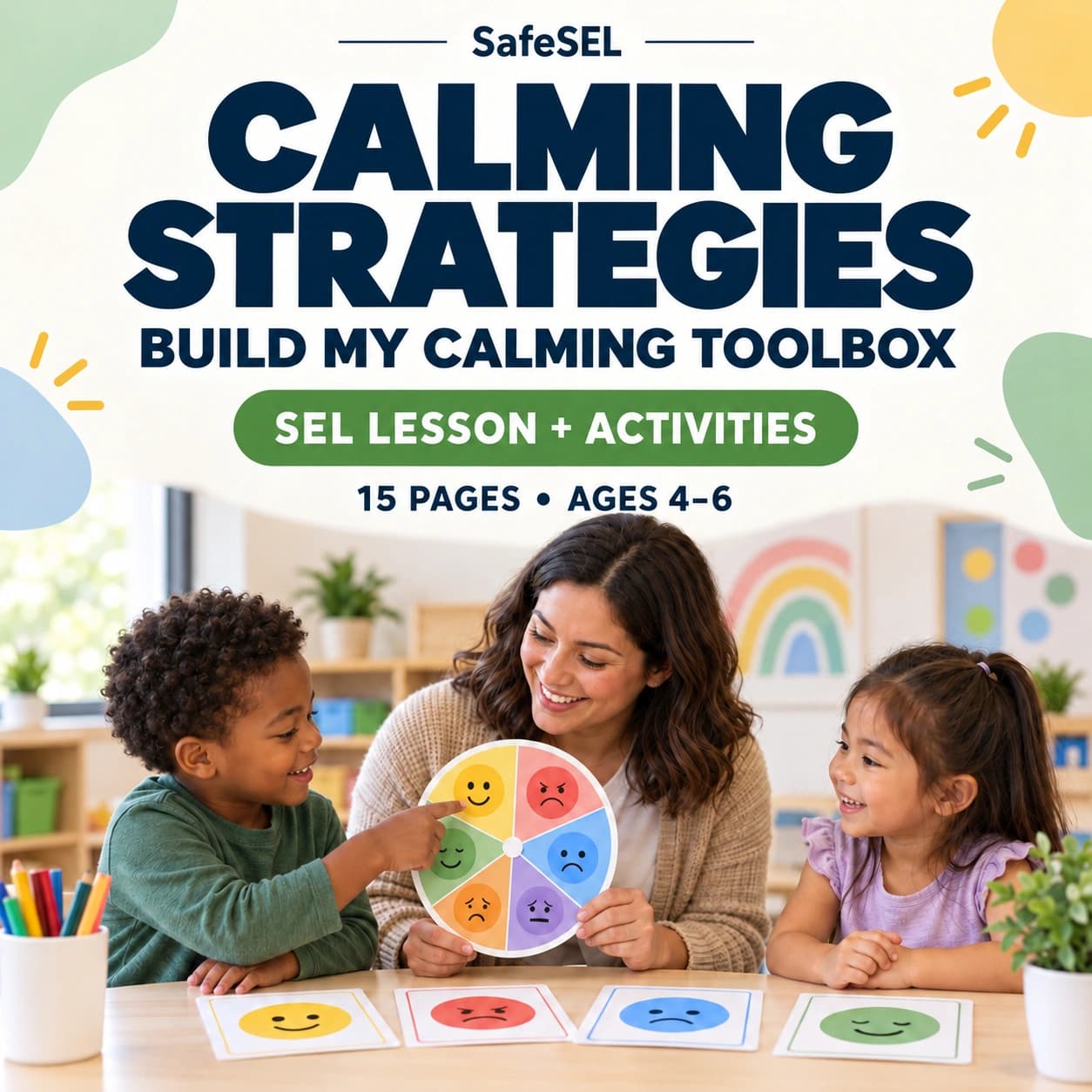
A structured, no-prep SEL lesson for ages 4–6 about my calming toolbox, with guided teaching and printable student activities.
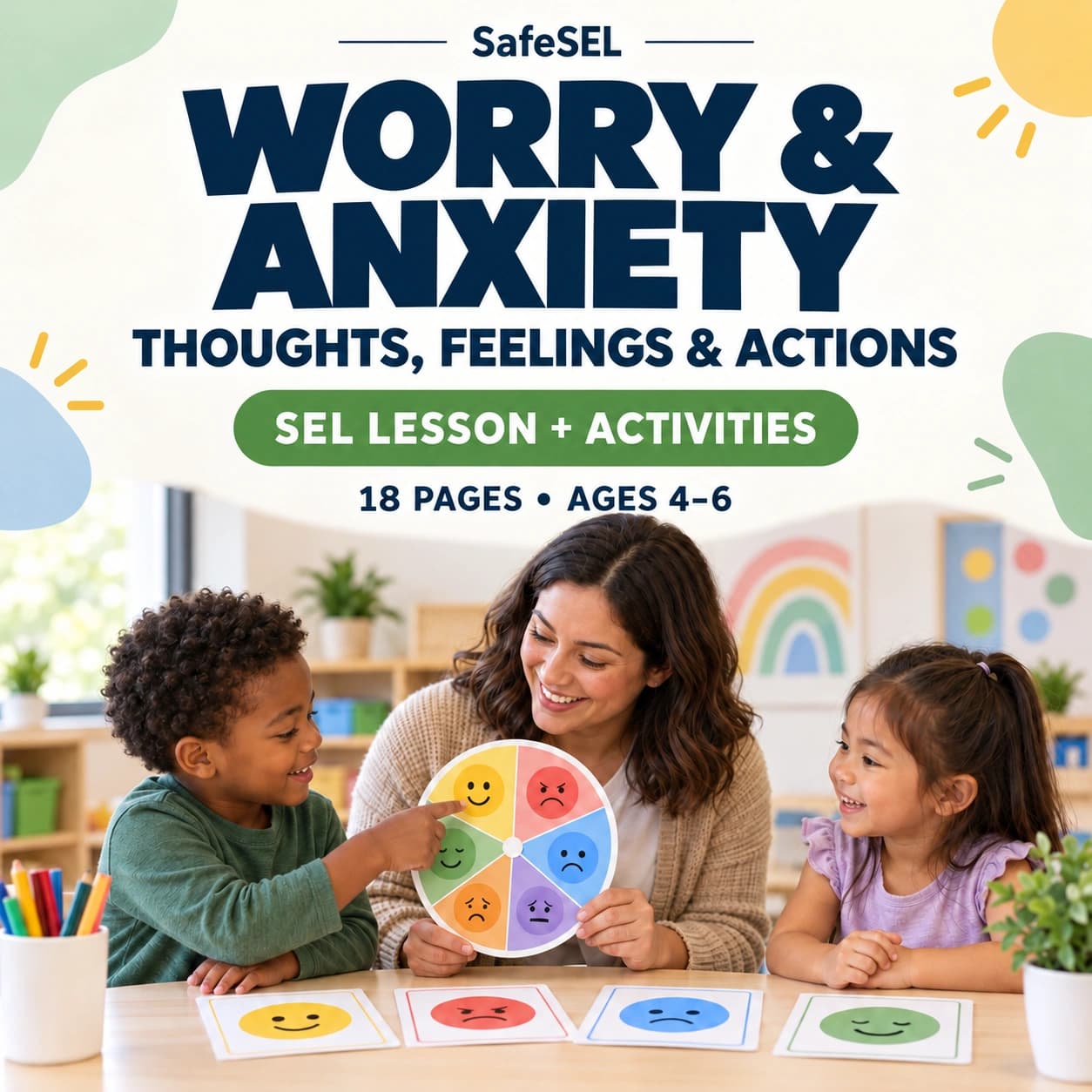
A structured, no-prep SEL lesson for ages 4–6 about what is anxiety?, with guided teaching and printable student activities.
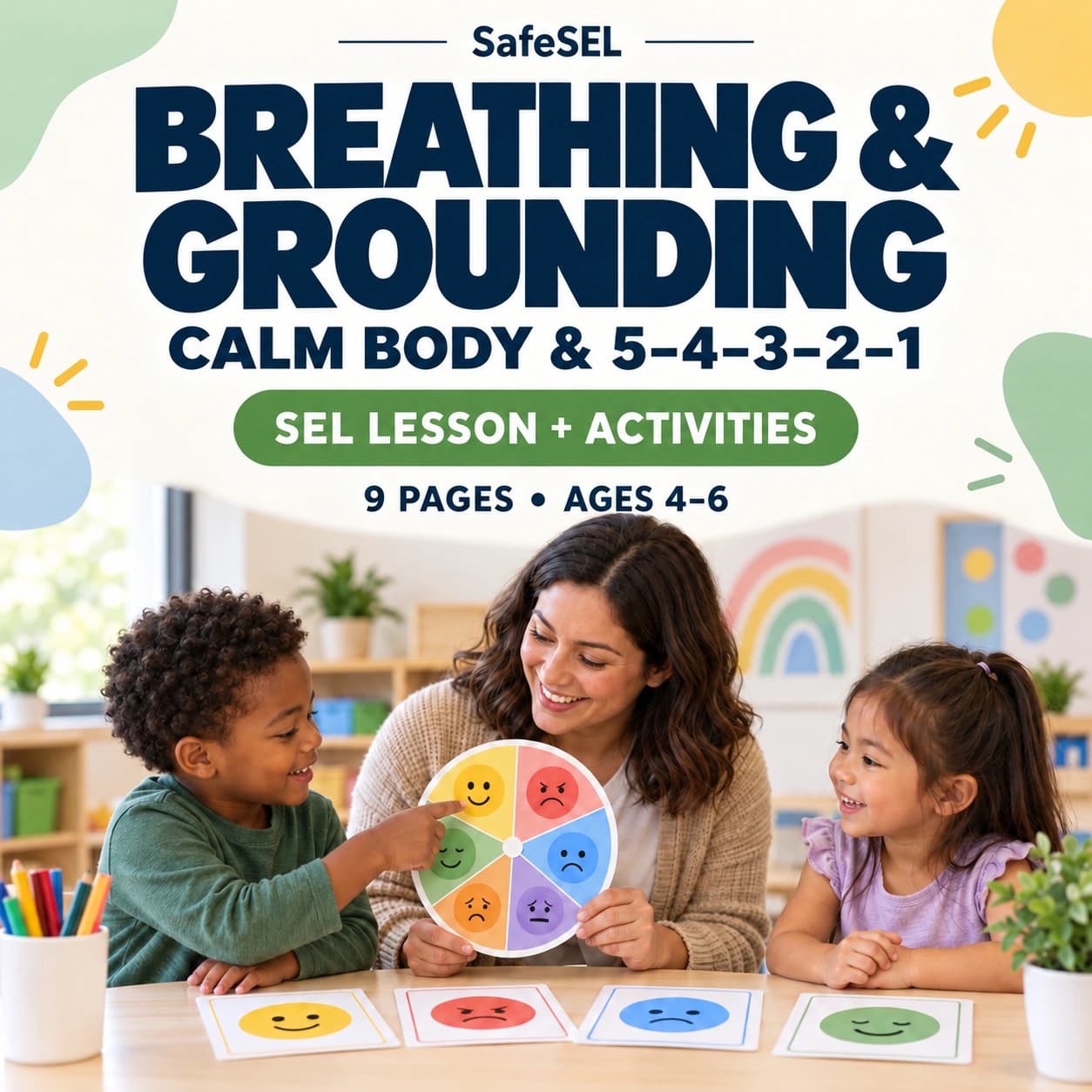
A structured, no-prep SEL lesson for ages 4–6 about calm breathing & grounding, with guided teaching and printable student activities.
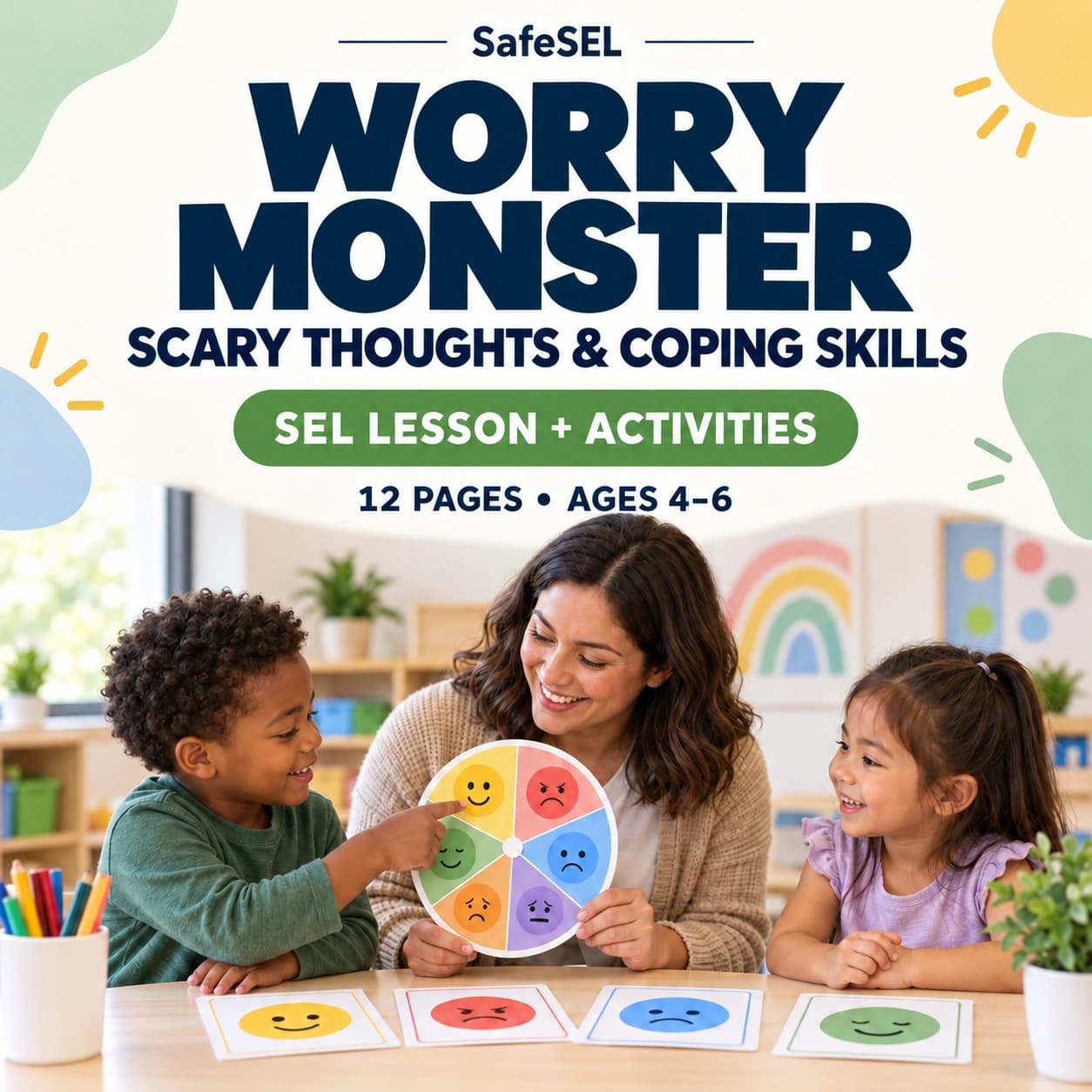
A structured, no-prep SEL lesson for ages 4–6 about meet my worry monster, with guided teaching and printable student activities.
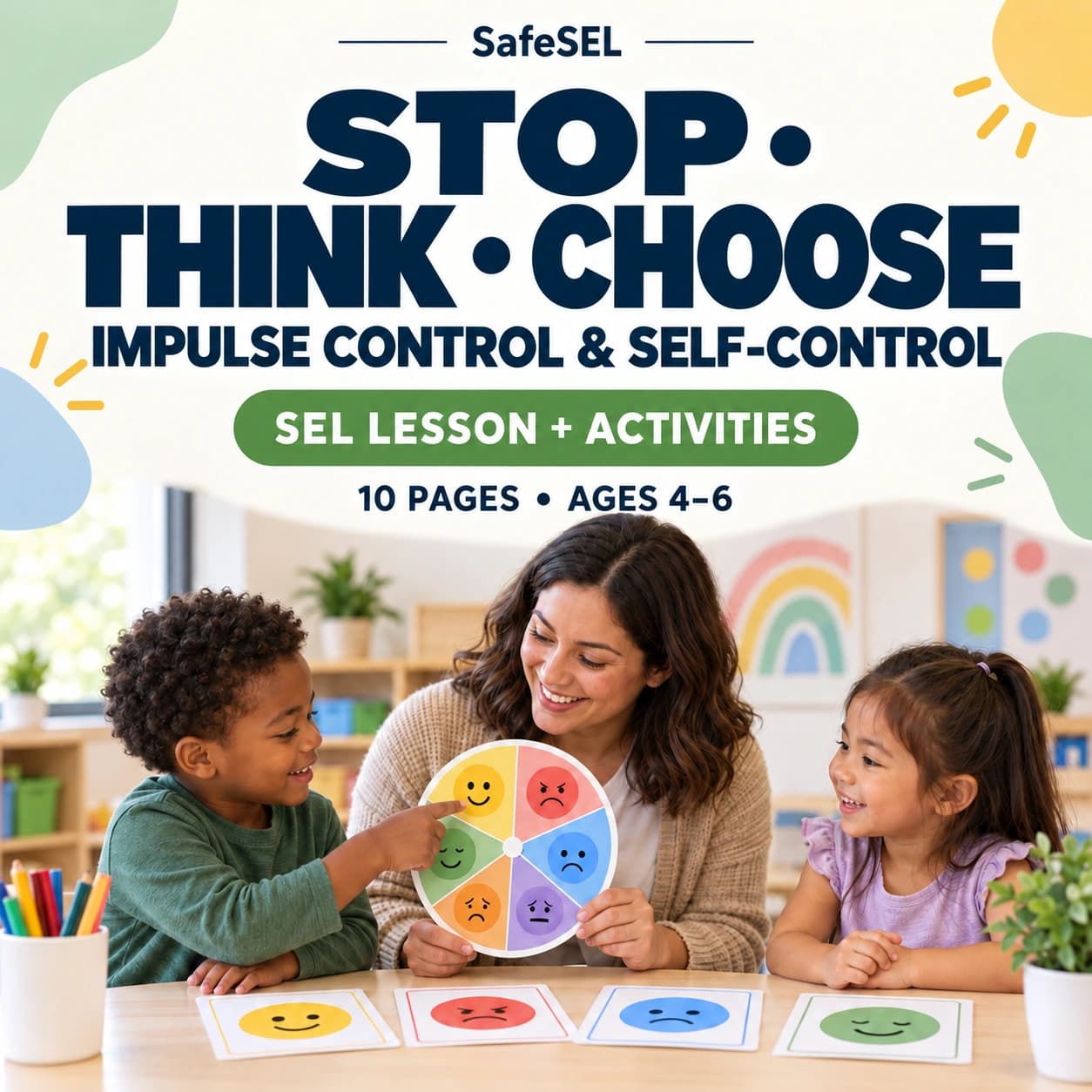
A structured, no-prep SEL lesson for ages 4–6 about stop–think–choose, with guided teaching and printable student activities.
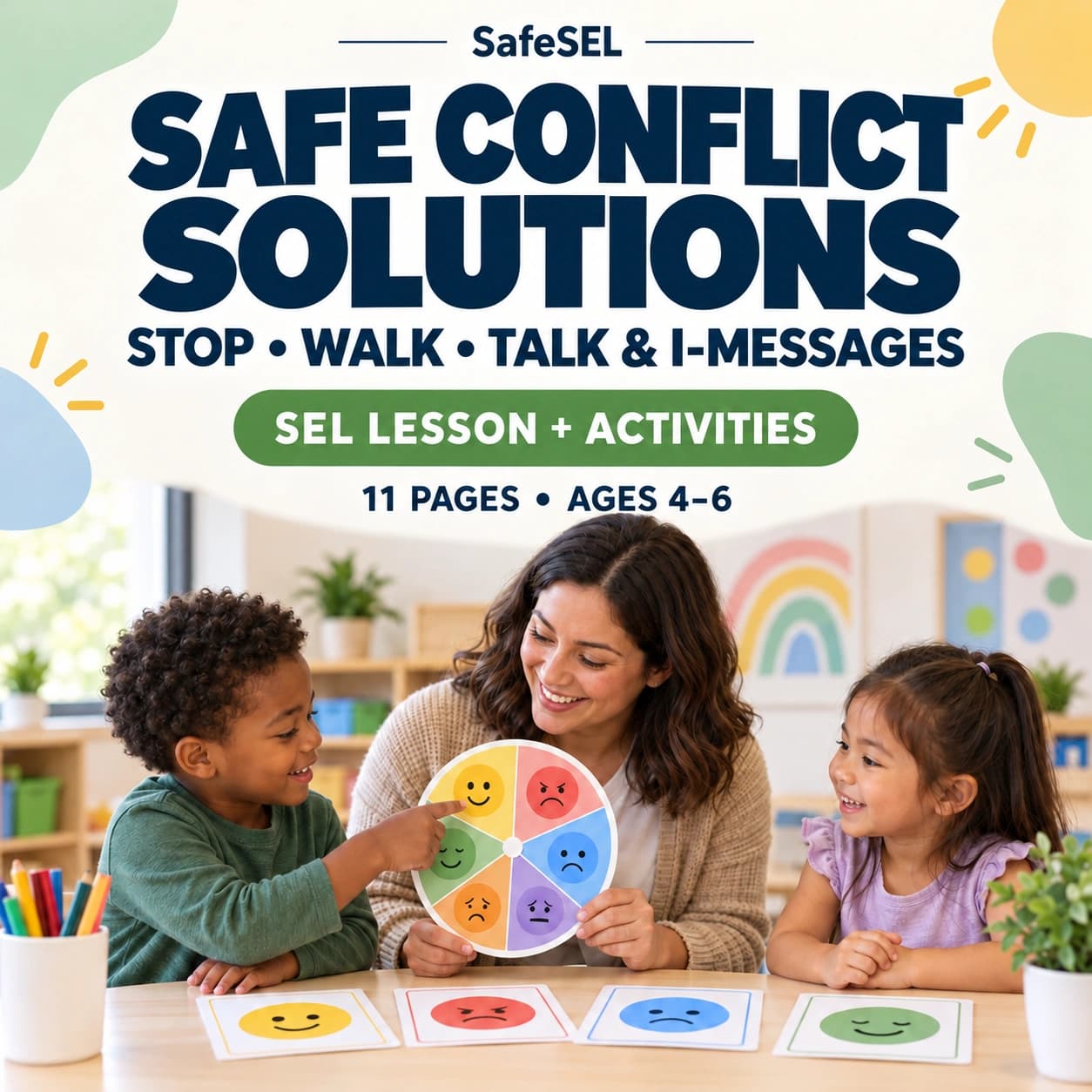
A structured, no-prep SEL lesson for ages 4–6 about bullying & conflict resolution, with guided teaching and printable student activities.
Use a complete guided lesson to compare rigid and flexible responses to change.
Open the free resource →Teach perspective-taking without requiring students to guess what another person is thinking.
Open the free resource →Discuss facts, rumors, help-seeking and calm responses to a realistic peer situation.
Open the free resource →SEL lessons should make the practice focus visible. Perspective-taking activities, for example, ask what different people might notice rather than teaching a generic “be nice” message. Small group lesson plans need space for different answers and supported participation. If adapting material into SEL mini lessons, reduce the scope while keeping the explanation that makes the activity understandable. Check each lesson’s age range and instructions before choosing its pages.
Read the directions first, select the pages you need, and prepare one example. Let students discuss or draw a response before extending the activity. A useful closing question is “Where might we use this idea again?” If you shorten a longer lesson, keep the explanation that makes its activity understandable. A mini lesson should have a smaller scope, not simply faster instructions.
Useful lesson plans for teachers make the next action clear: introduce the idea, demonstrate it and invite a response. Before printing, check whether the activity needs pair work, a whole-group conversation or quiet reflection. Keep the explanation and the practice connected. If children discuss different perspectives, the follow-up should let them consider more than one interpretation, rather than simply recall a definition.
Use these sel lessons resources to teach one clear skill at a time, practise it with realistic examples and return to it when the child is calm enough to learn.
The collection includes child-friendly resources for elementary ages. Check each product for its exact age range and suggested setting.
Yes. SafeSEL digital resources are designed so you can select the relevant pages for the current skill, child or group.
Filter by resource type and age group to find the most useful printable.