Worksheets
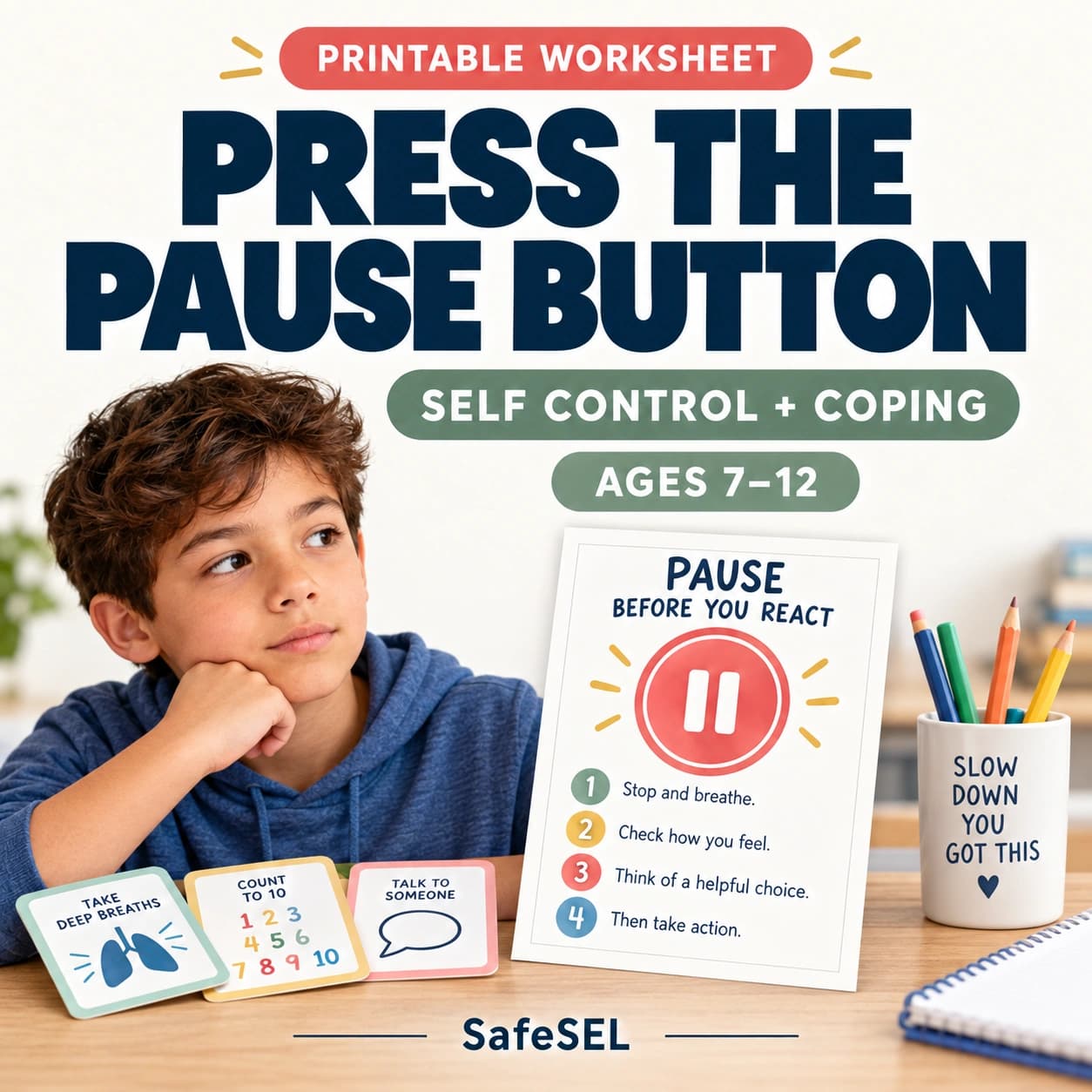
Self Control Worksheet for Kids
Ages 7–12PNG
Self Control Worksheet for Kids: a print-ready worksheet for ages 7–12 with clear prompts for guided practice.
Explore self-regulation worksheets and activities for co-regulation, coping, impulse control and calming practice.
Self Control Worksheet for Kids: a print-ready worksheet for ages 7–12 with clear prompts for guided practice.
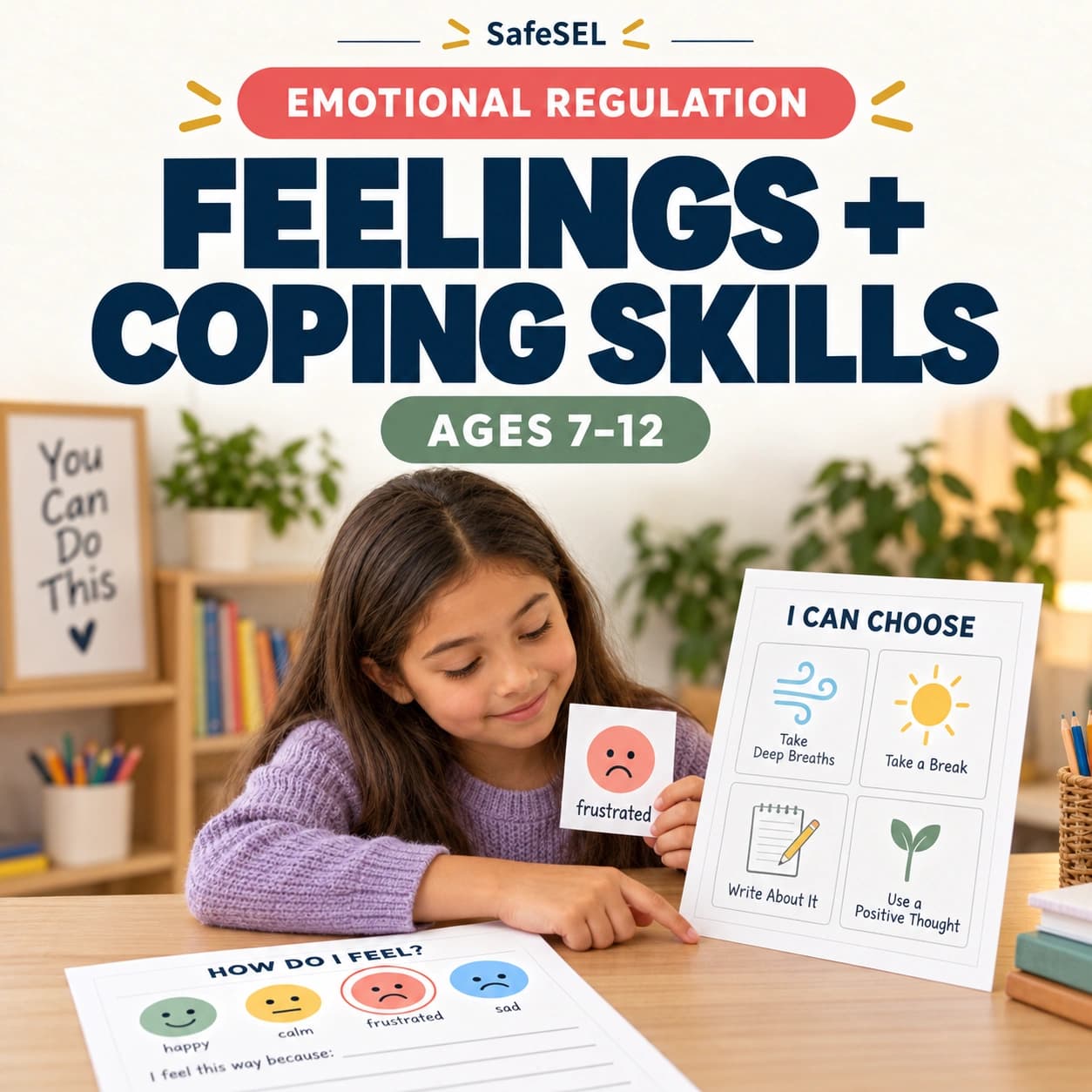
Emotional Regulation Worksheet: a print-ready worksheet for ages 7–12 with clear prompts for guided practice.
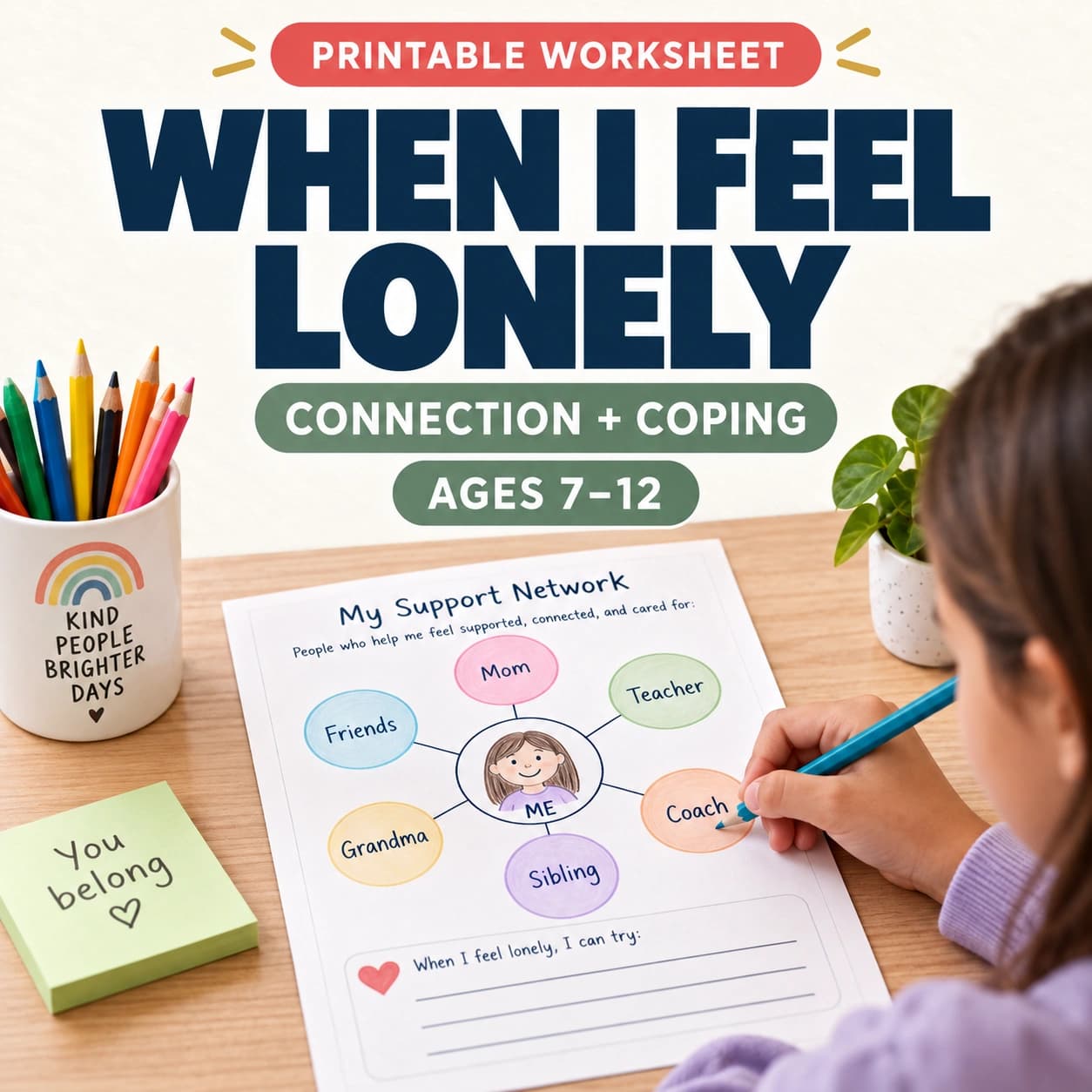
Lonely Worksheet for Kids Ages 7–12: a print-ready worksheet for ages 7–12 with clear prompts for guided practice.
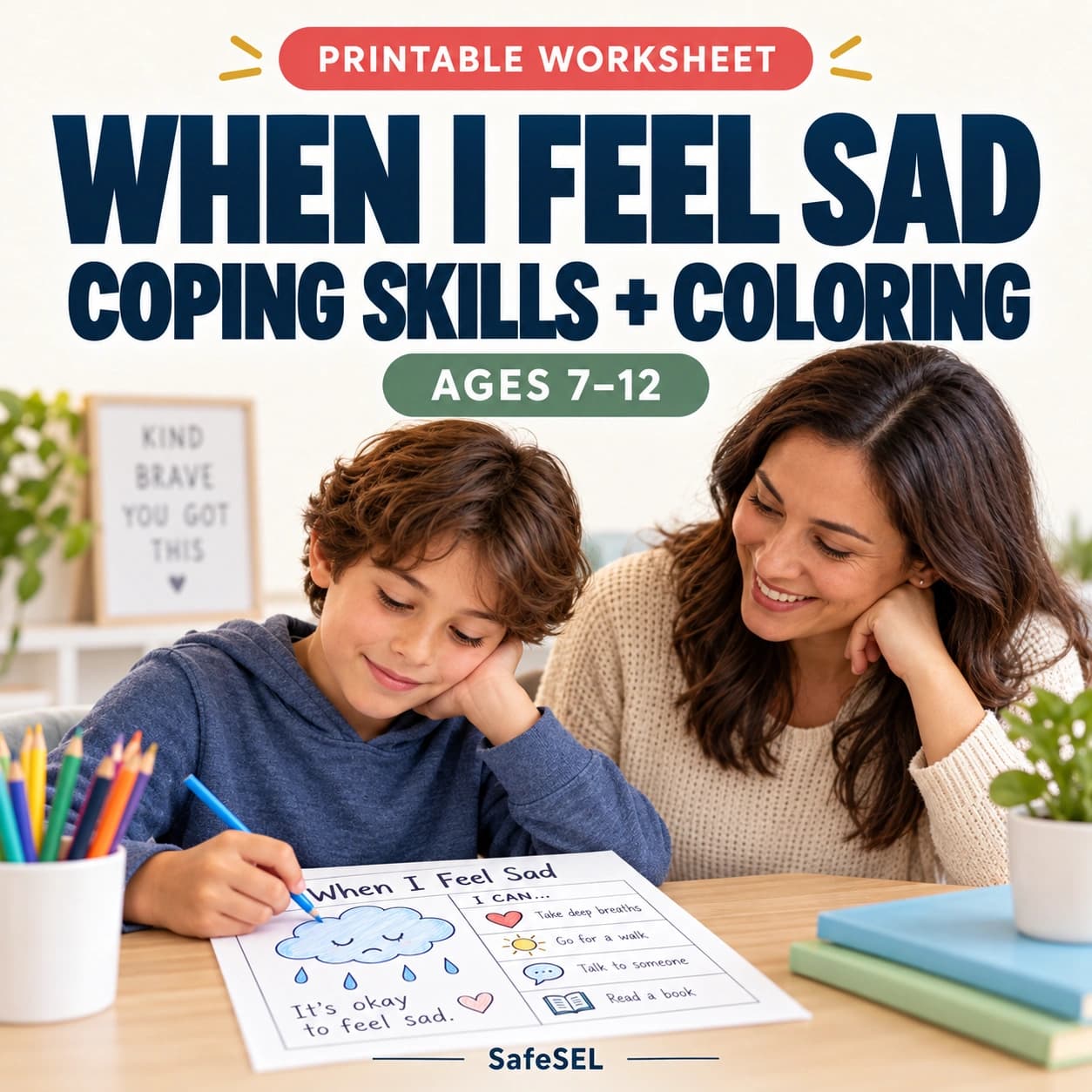
Sad Worksheet for Kids Ages 7–12: a print-ready worksheet for ages 7–12 with clear prompts for guided practice.
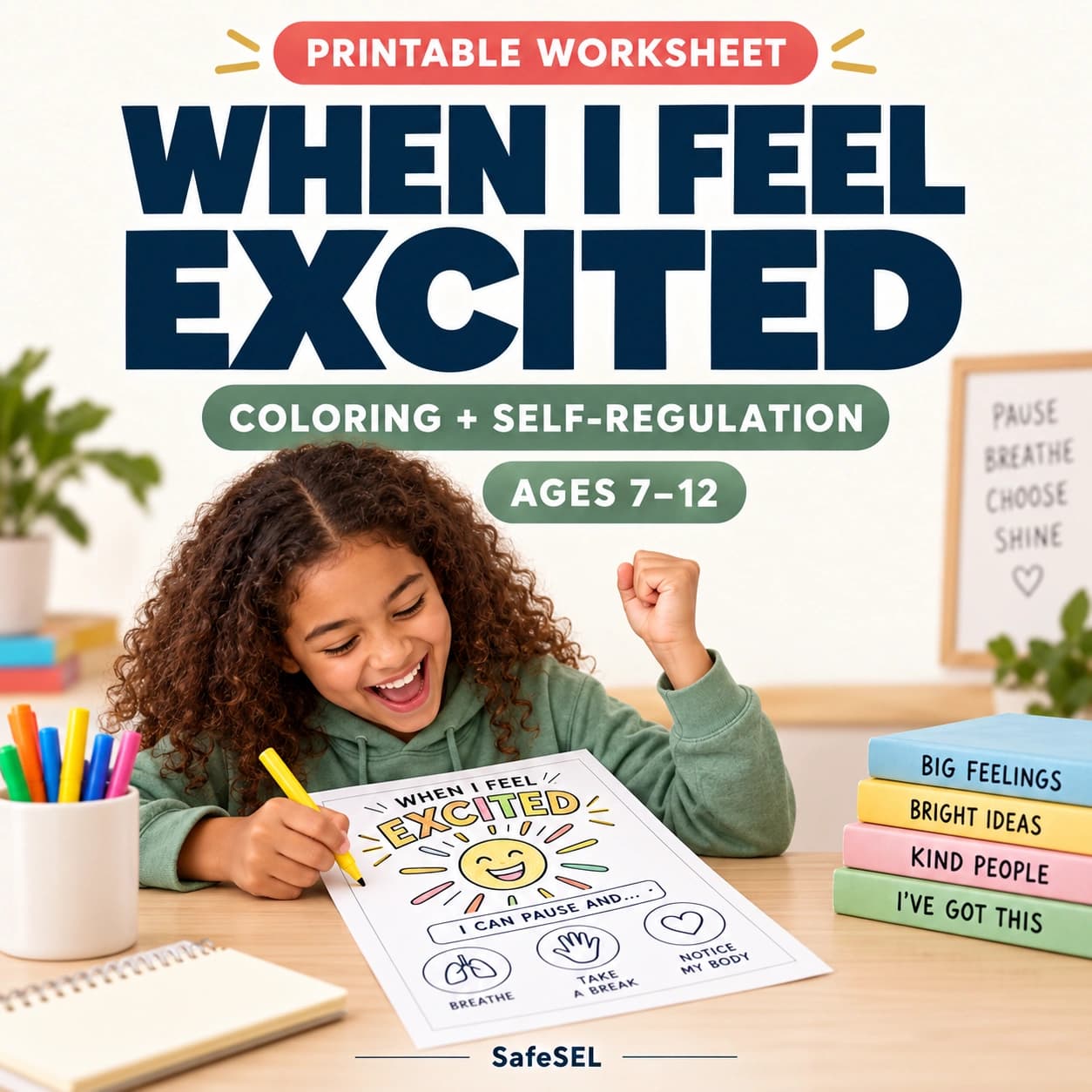
Excited Feelings Worksheet for Kids: a print-ready worksheet for ages 7–12 with clear prompts for guided practice.
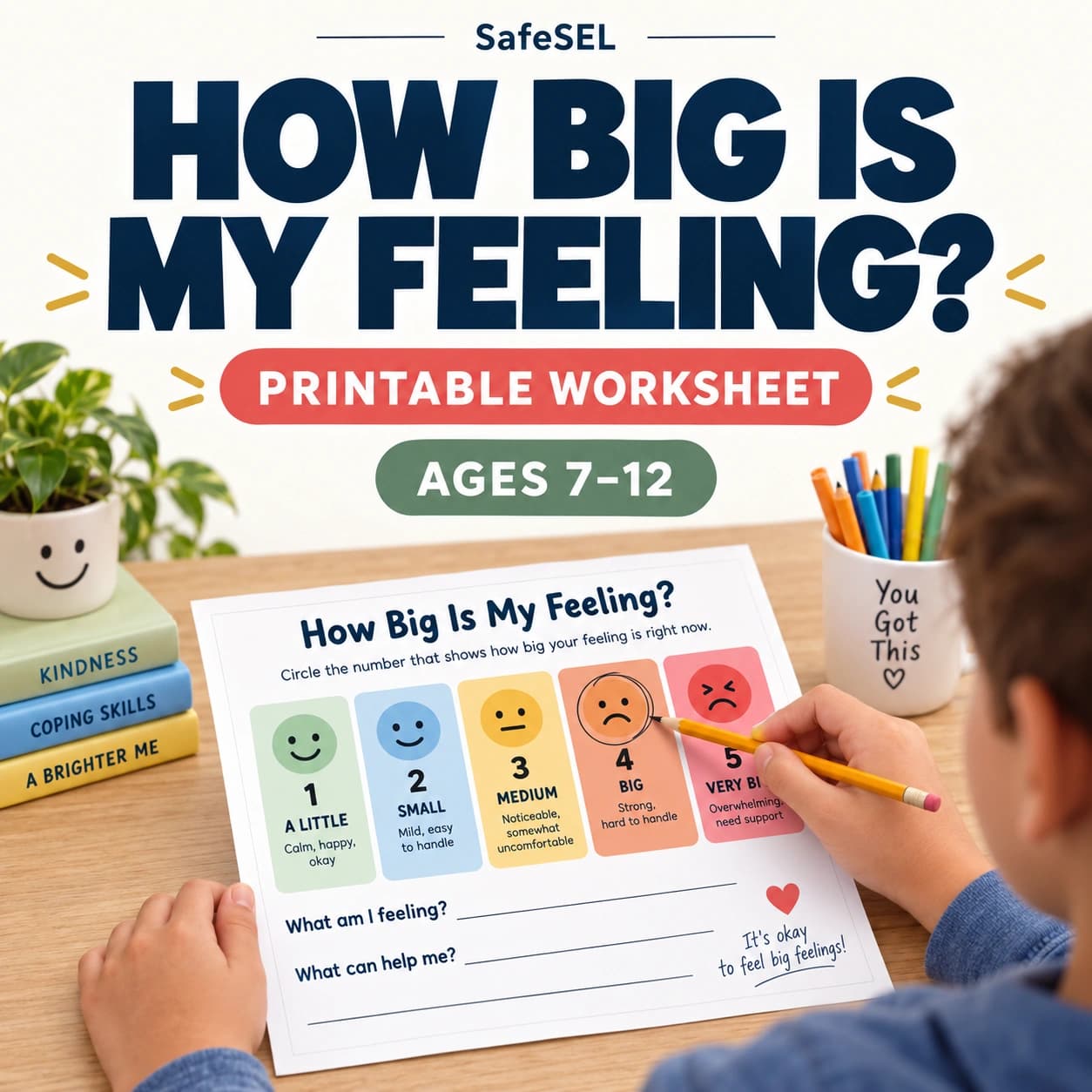
How Big Is My Feeling Worksheet: a print-ready worksheet for ages 7–12 with clear prompts for guided practice.
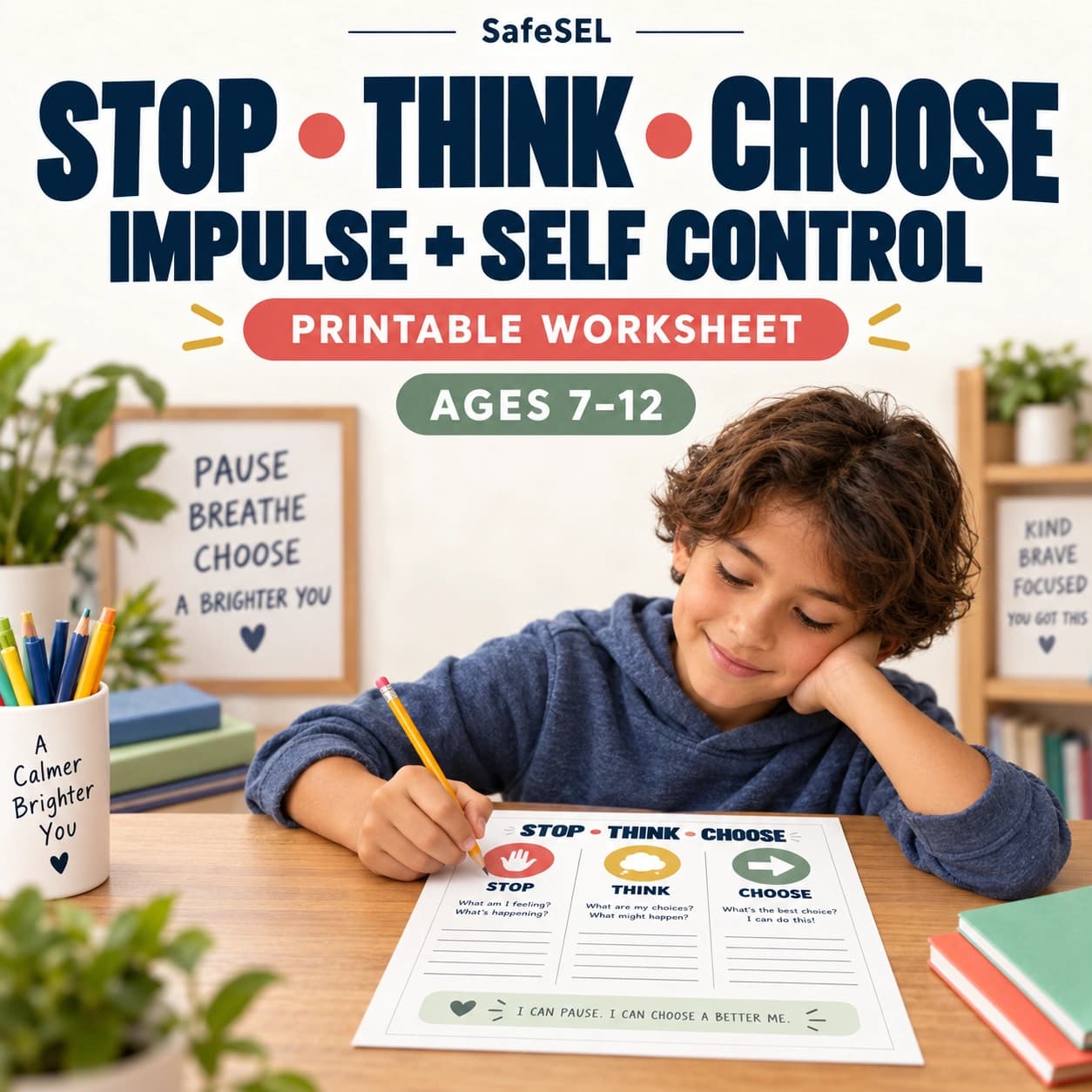
Stop Think Choose Worksheet: a print-ready worksheet for ages 7–12 with clear prompts for guided practice.
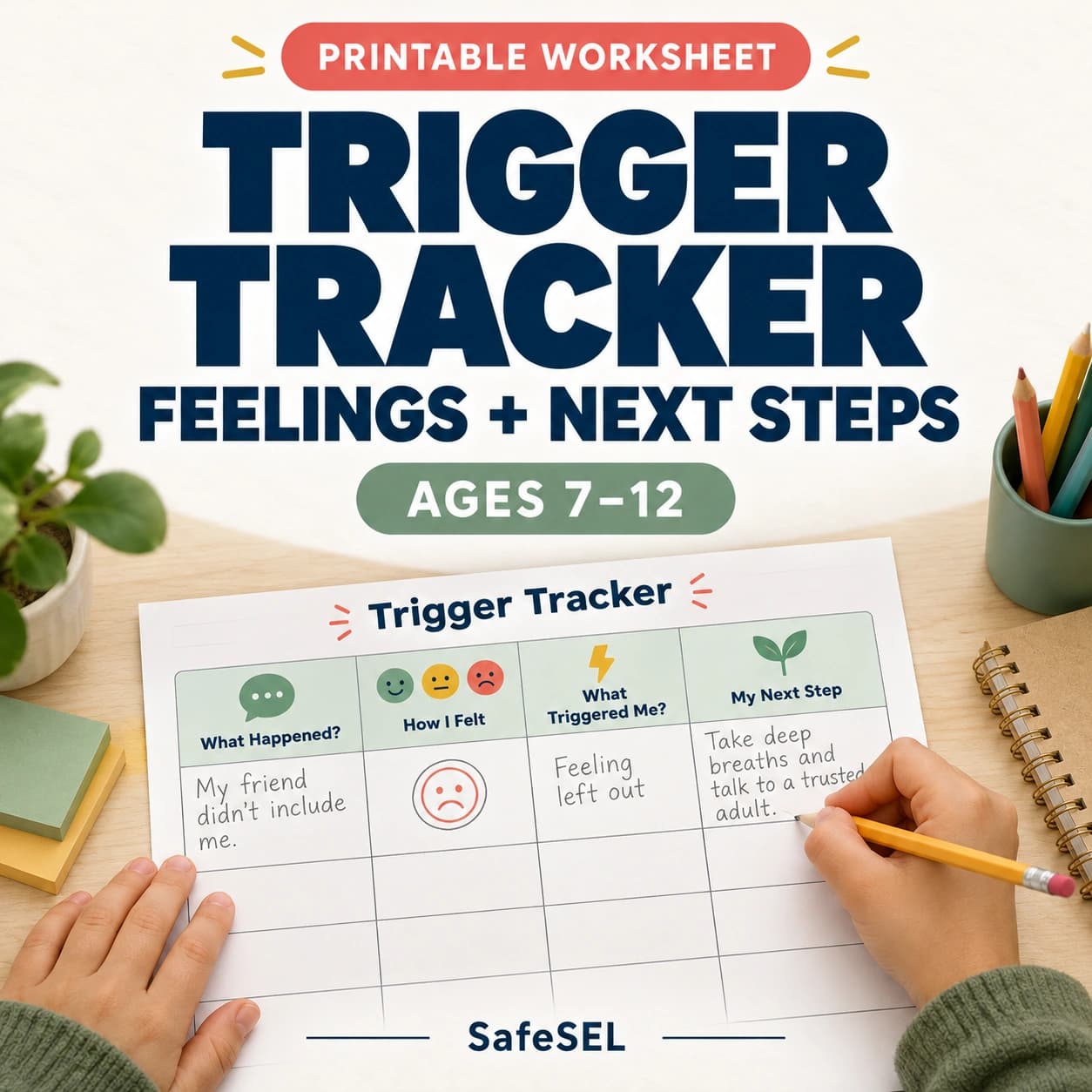
Trigger Tracker Worksheet for Kids: a print-ready worksheet for ages 7–12 with clear prompts for guided practice.
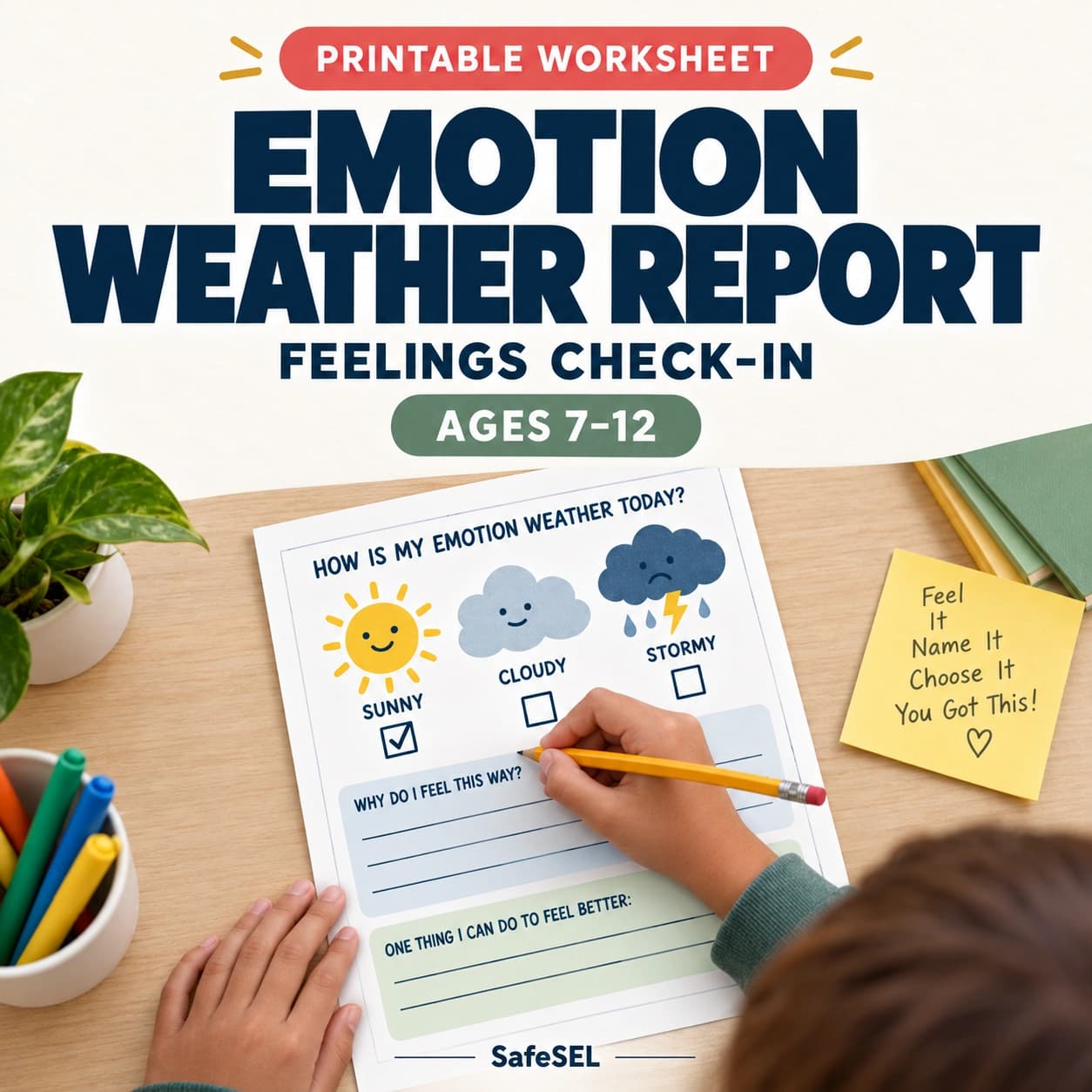
Emotion Check-In Worksheet for Kids: a print-ready worksheet for ages 7–12 with clear prompts for guided practice.
Choose realistic supports and coping options before distress peaks.
Open the free resource →Map body signals and early cues in guided professional work.
Open the free resource →Practice a more flexible response to changes and unexpected situations.
Open the free resource →A practical guide to co-regulation, language and realistic expectations for ages 4–6.
Read the guide →Move from adult prompts toward more independent skill use without withdrawing support too quickly.
Read the guide →Use a break as regulation support while keeping a predictable, realistic path back to participation.
Read the guide →An emotion check-in describes the present; reflection looks back; planning prepares for another situation. Self-regulation activities should make that purpose clear. When choosing emotional regulation activities, consider the child’s reading and communication needs as well as the topic. These self-regulation tools support a conversation and practice; completing a page is not a condition for receiving adult support.
Decide where it will be kept and when you will return to it. Use the child’s own words where possible and review an option that did not fit. For younger readers, drawing or supported discussion may be more practical than a full written response. If the goal is practising a pause before choosing an action, compare the separate self-control resources.
Self-regulation pages can give children a way to describe signals and think about a plan. Co-regulation involves the supportive adult relationship around that activity. Decide whether the page is for a calm discussion, a visual reminder or later reflection; a lengthy written task may not fit a difficult moment. Use the worksheet as a prompt for understanding the child’s experience rather than as a demand to produce a particular emotion.
Use these self-regulation worksheets resources to teach one clear skill at a time, practise it with realistic examples and return to it when the child is calm enough to learn.
The collection includes child-friendly resources for elementary ages. Check each product for its exact age range and suggested setting.
Yes. SafeSEL digital resources are designed so you can select the relevant pages for the current skill, child or group.
Filter by resource type and age group to find the most useful printable.