Article archive: page 30
More practical, evidence-informed guidance for the real emotional and social situations children face.
What to Do When a Child Refuses School Because of Anxiety
Practical guidance for responding when a child refuses school because of anxiety, including what to observe, what adults can say, and how to adjust support without adding shame.
How to Help a Child Repair After an Angry Outburst
A practical guide to helping a child repair after an angry outburst, with realistic steps, language adults can use, and ways to judge whether the plan is helping.
How to Help a Child Handle Not Being Invited
A practical guide to helping a child handle not being invited, with realistic steps, language adults can use, and ways to judge whether the plan is helping.
How to Help a Child Recover After an Emotional Outburst
A practical guide to helping a child recover after an emotional outburst, with realistic steps, language adults can use, and ways to judge whether the plan is helping.
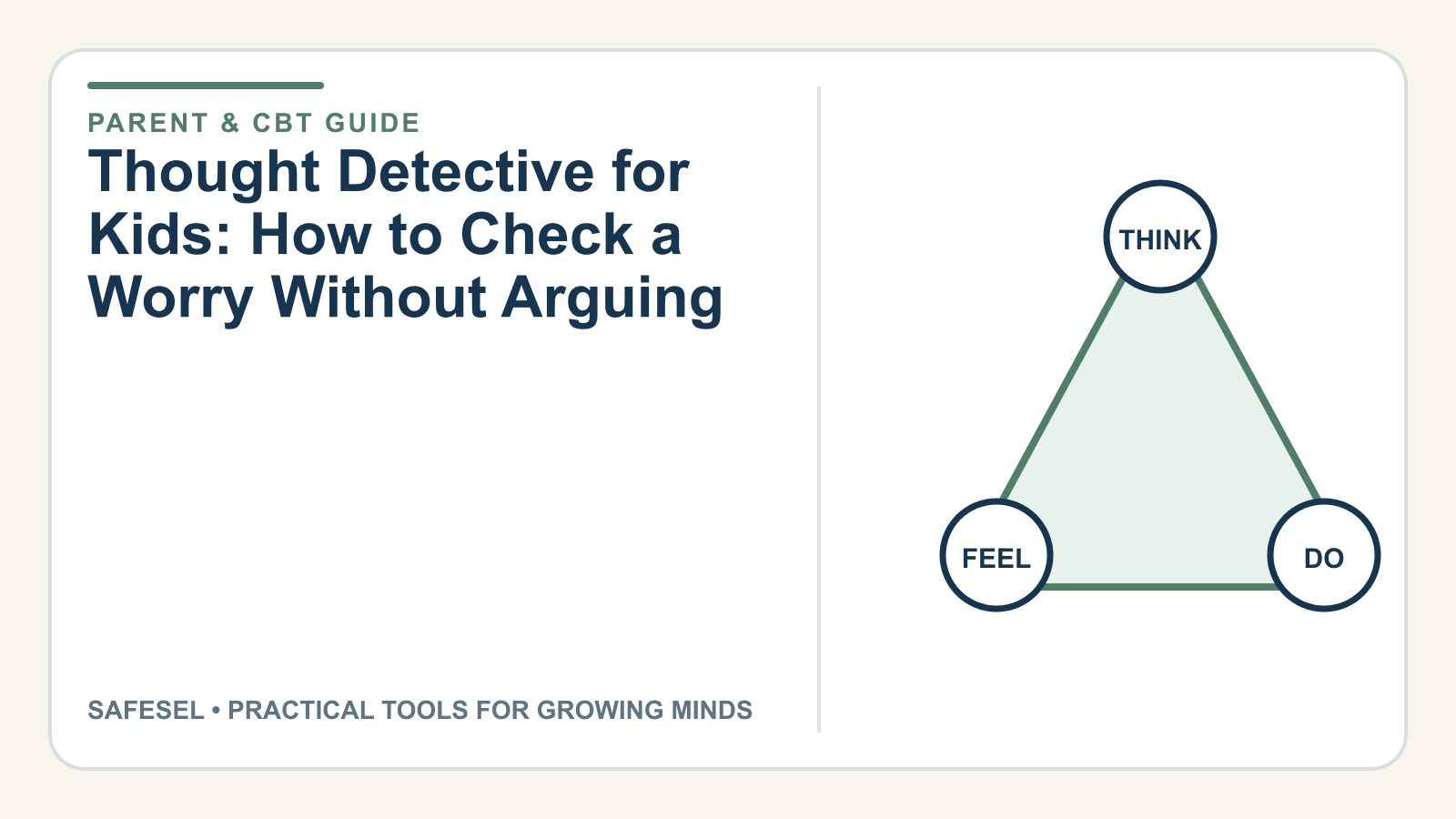
How to Help a Child Who Treats Every Thought as a Fact
A practical guide to helping a child who treats every thought as a fact, with realistic steps, language adults can use, and ways to judge whether the plan is helping.
How to Help a Student Return to Learning After a Big Feeling
A practical guide to helping a student return to learning after a big feeling, with realistic steps, language adults can use, and ways to judge whether the plan is helping.
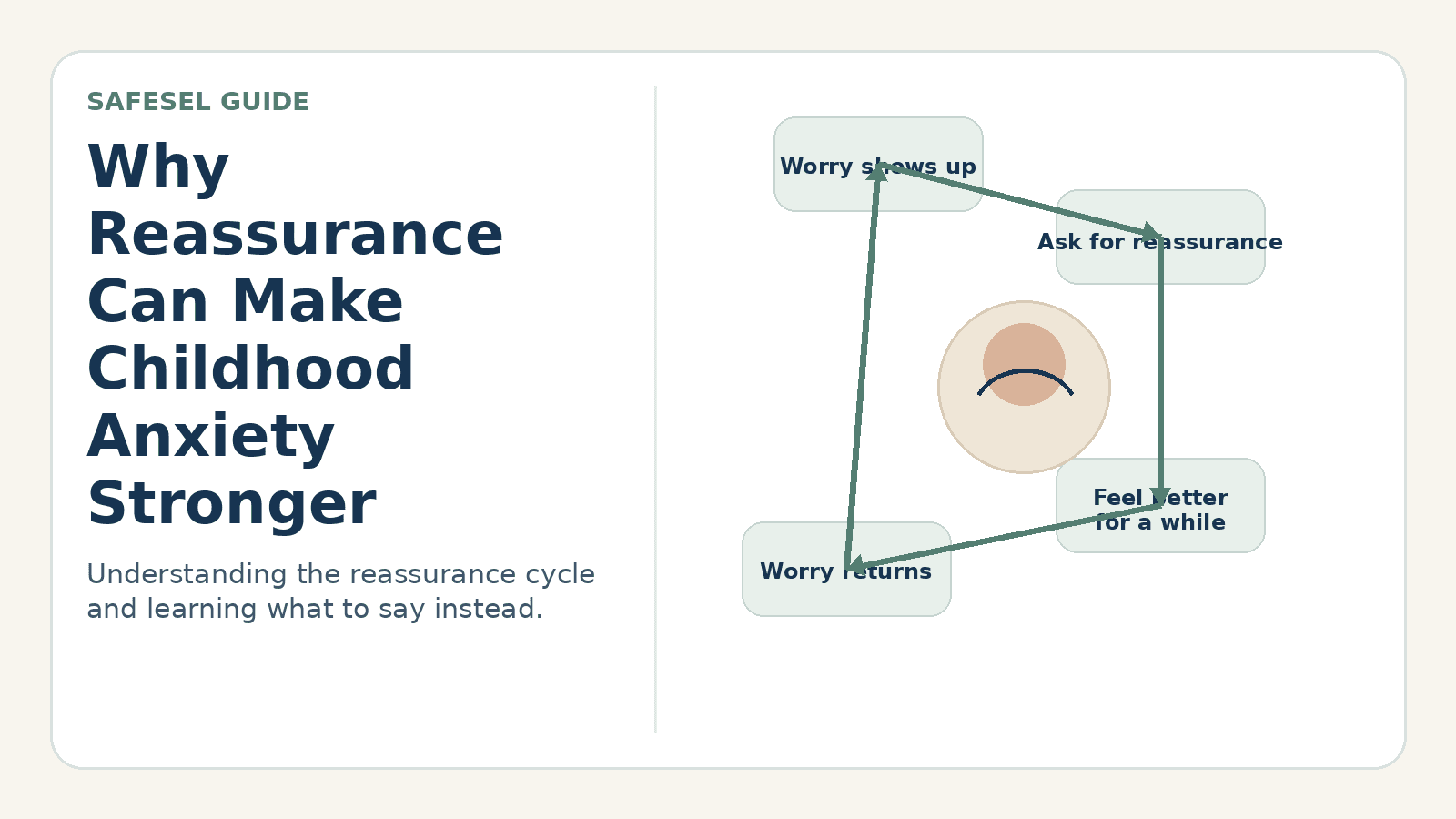
How Teachers Can Support an Anxious Student Without Increasing Avoidance
A practical, evidence-informed guide to supporting an anxious student without increasing avoidance, with concrete examples, accessible next steps, and clear limits on what the guidance can establish.
Anxiety Worksheets for Kids: What to Choose and How to Use Them
A practical, evidence-informed guide to anxiety worksheets for kids, with concrete examples, accessible next steps, and clear limits on what the guidance can establish.
Calm Corner vs. Time-Out: Purpose, Setup and Common Misuse
Compare a calm corner and time-out by their purpose, adult support and return plan. See how to make a regulation space usable without turning it into exclusion.
How to Introduce CBT Thought Work Without Invalidating Feelings
A practical guide to introducing CBT thought work without invalidating feelings, with realistic steps, language adults can use, and ways to judge whether the plan is helping.
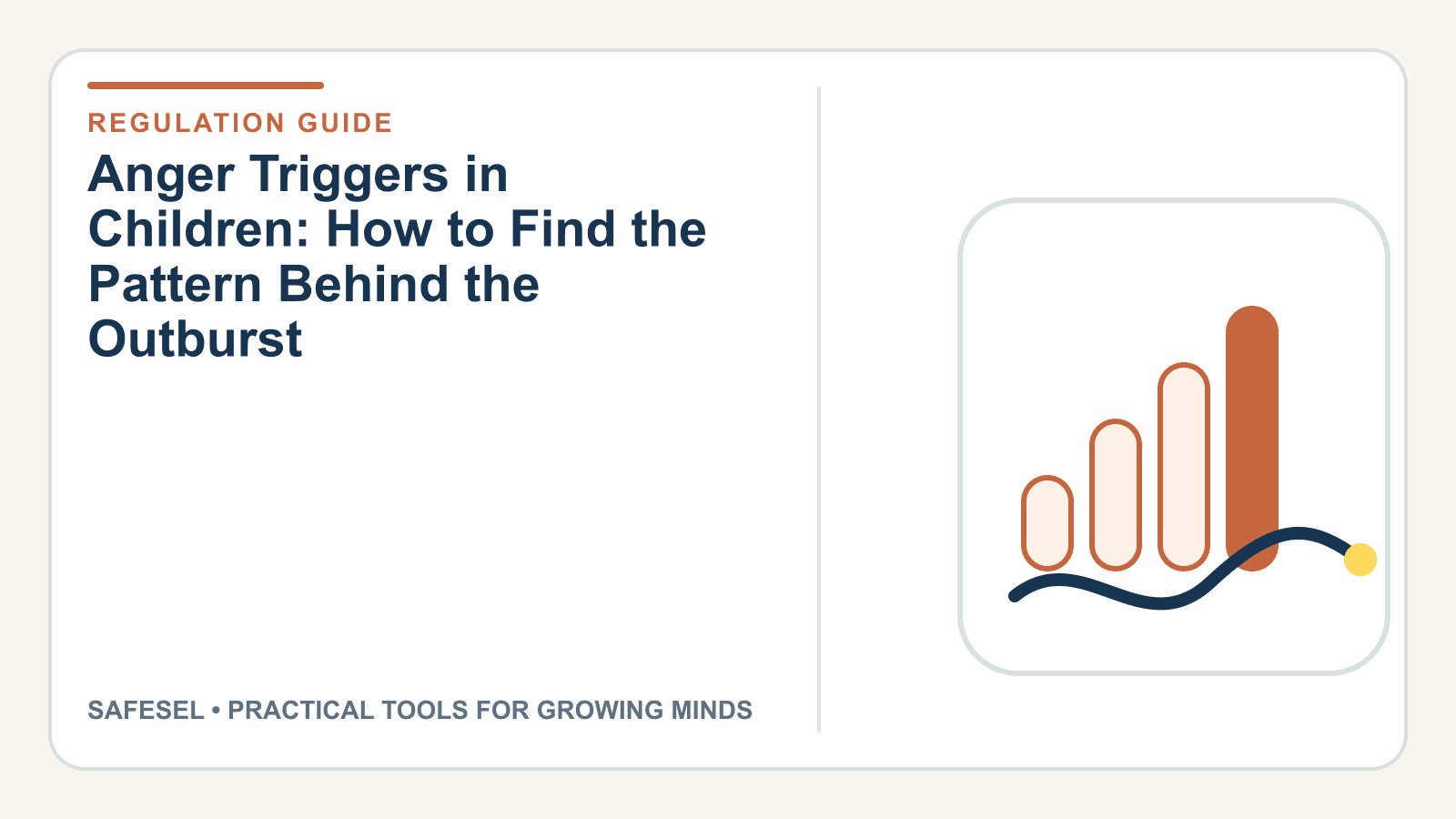
Why Does My Child Get Angry When Corrected?
An evidence-informed guide to understanding why does my child get angry when corrected?, checking alternative explanations, and choosing a safe response based on what is observed.
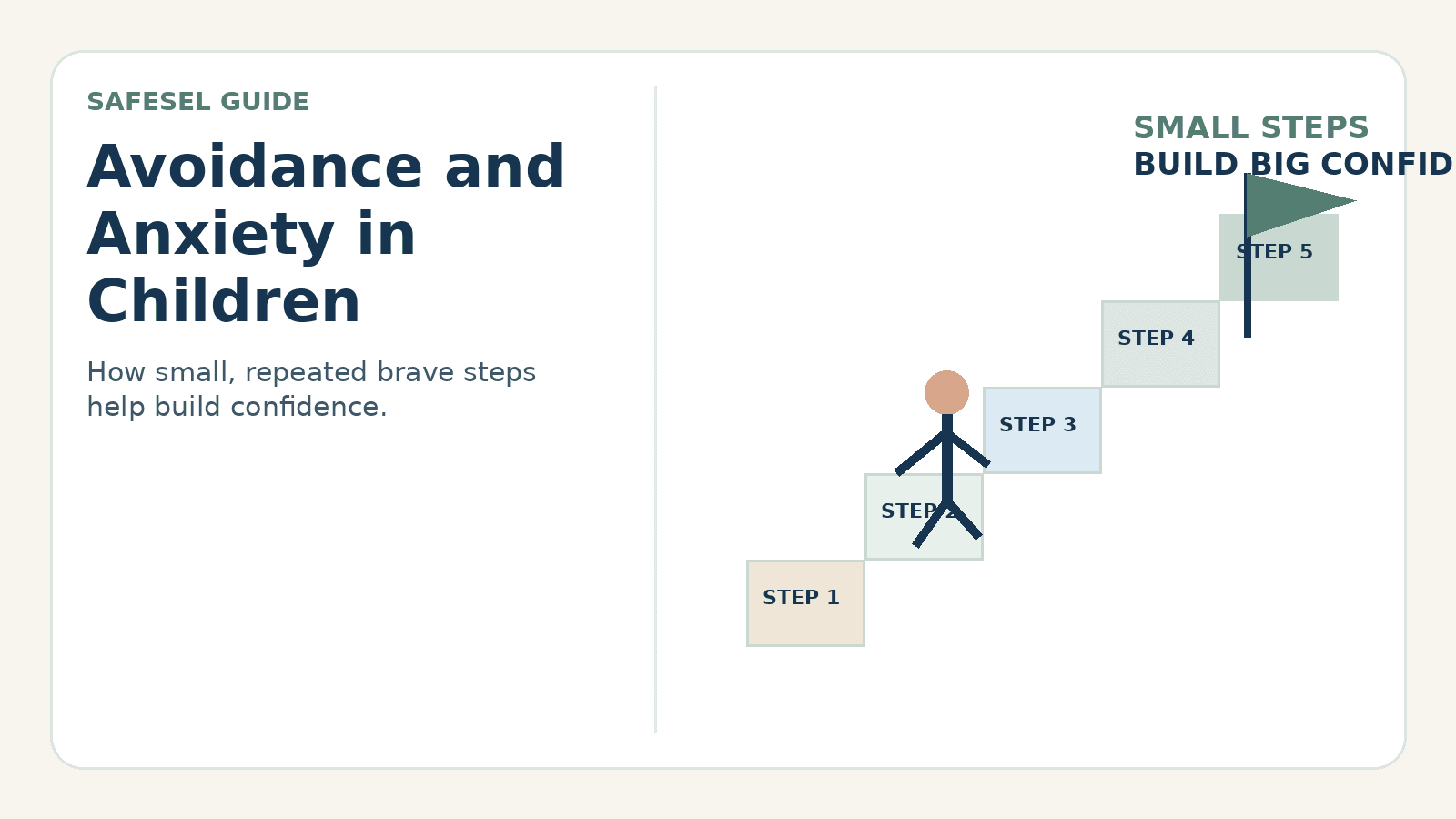
Why Does My Child Ask the Same Worry Question Over and Over?
An evidence-informed guide to understanding why does my child ask the same worry question over and over?, checking alternative explanations, and choosing a safe response based on what is observed.